 Burlington
 Roofing on Guemes Island Means Working With the Island, Not Against It
Guemes Island sits just off the Skagit County mainland, reached only by a short ferry ride out of Anacortes. That single fact changes how roof repair should be planned and done here. A crew that treats an island home the same as a mainland job in Burlington or Mount Vernon will underestimate two things: how hard the marine environment is on roofing materials, and how much a missed ferry or a poorly planned material run can turn a one-day repair into a three-day headache for the homeowner.
We work roofs across Skagit County, and Guemes Island jobs get planned differently from day one — right down to which fasteners we bring and how we stage the work around tide and ferry schedules.
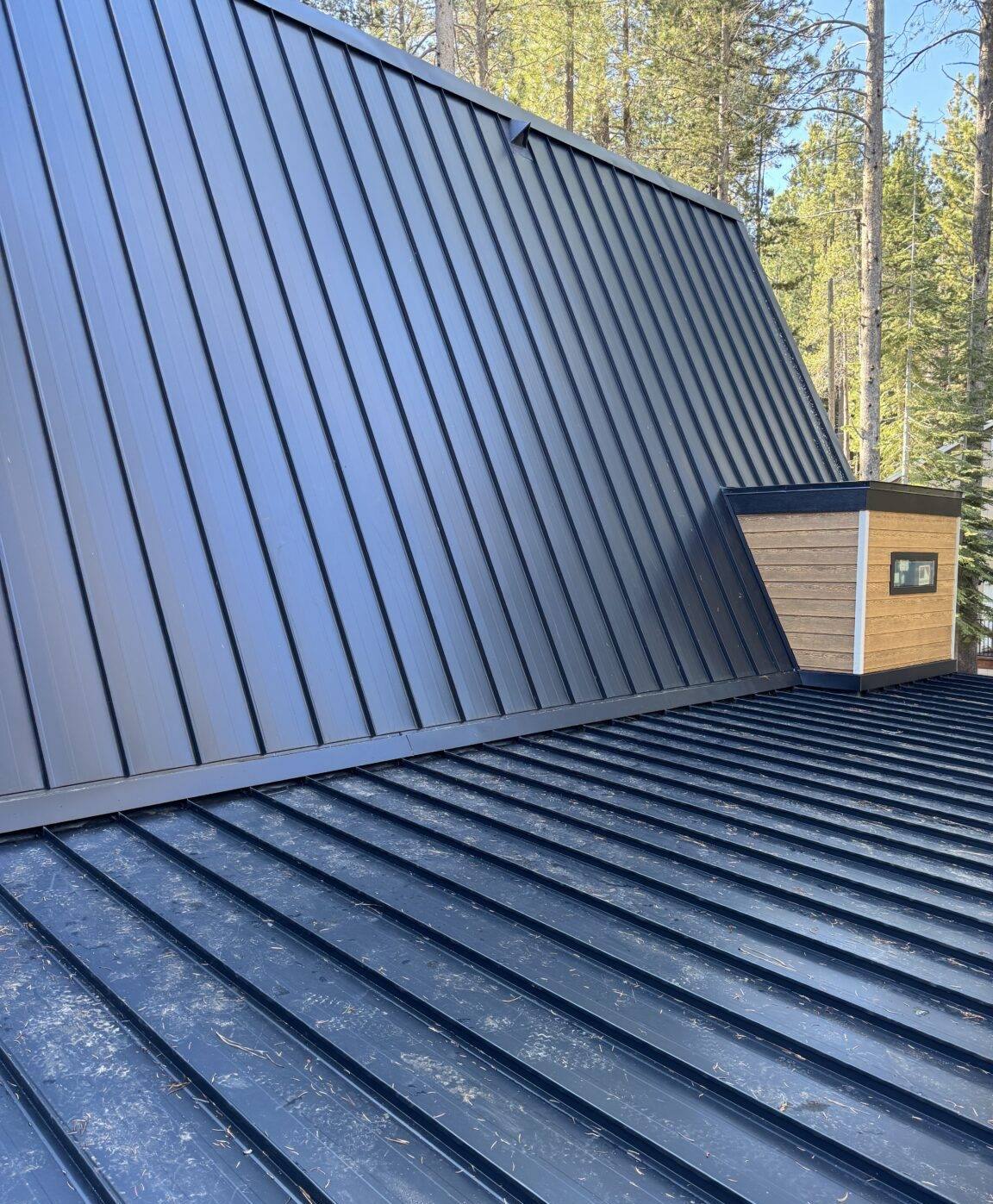
Why Salt Air, Driving Rain, and Moss Hit Island Roofs Harder
Salt-Laden Air and Slow Corrosion
Homes on or near the water pick up airborne salt that settles on every exposed surface, including the roof. Over years, that salt film accelerates corrosion on exposed metal — nail heads, flashing, gutter hangers, and any fastener that isn't rated for coastal exposure. A roof that would go a decade without a metal-related leak inland can start showing rust streaks and failed fasteners well ahead of that on Guemes, especially on the side of the house that faces open water.
Wind-Driven Rain and Flashing Failure
Storms coming off the water don't just drop rain straight down — wind pushes it sideways and up under laps, ridge caps, and flashing edges that were never designed to shed water from that angle. Most of the "mystery leaks" we get called out for on the island aren't failed shingles at all; they're flashing around chimneys, skylights, dormers, or wall-to-roof transitions that was fine in a normal rain but lets water in once wind gets behind it.
Moss, Shade, and a Long Wet Season
Skagit County's wet season runs long, and island properties often sit under mature trees that keep parts of the roof shaded and slow to dry. That combination — moisture that lingers plus organic debris — is exactly what moss needs. Moss doesn't just look bad; its root structure lifts shingle edges and holds water directly against the roofing material, which is how a moss problem quietly turns into a rot and leak problem underneath.
What a Correct Repair Actually Involves
A lot of "roof repair" in practice is a tube of sealant slapped over a visible gap. That buys a few months, not a few years. A repair that actually holds up on Guemes Island means tracing the leak to its real source, checking the decking and underlayment underneath the visible damage, and matching the fix to the same coastal exposure that caused the failure in the first place.
| Quick Patch Approach | Proper Repair Approach |
|---|---|
| Seals the visible gap only | Traces water path back to the actual entry point |
| Reuses existing fasteners, even if corroded | Replaces corroded fasteners with coastal-rated hardware |
| Sealant applied over old flashing | Flashing removed, deck checked, new flashing set correctly |
| No check of underlying decking | Soft or stained decking identified and replaced as needed |
| Often fails again within a season or two | Addresses the cause, not just the symptom |
The difference matters more on an island roof than most places, because a callback visit costs the homeowner an extra ferry-dependent trip and an extra wait — not just an inconvenience, but real time exposed to weather in the interim.
Signs You're Dealing With More Than a Cosmetic Issue
- Dark streaking or a green tint on north-facing or shaded roof sections — early moss growth
- Granules collecting in gutters or at downspout outlets
- Rust staining running down from metal flashing or fasteners
- Soft spots or slight sagging when walked on (we check this, homeowners shouldn't)
- Ceiling stains that appear or worsen specifically during wind-driven storms, not steady rain
- Lifted or curled shingle edges near valleys, chimneys, or roof-to-wall transitions
- Daylight visible in the attic around vents, pipes, or ridge lines
Our Repair Process
- Inspection first. We look at the whole roof, not just the spot the homeowner flagged, since coastal wind-driven leaks often show up somewhere other than where the damage started.
- Identify the real cause. Flashing, fastener corrosion, moss intrusion, or aging material — we tell you which one it is and why, in plain terms.
- Check the deck. Any area with a suspected leak gets checked for soft or delaminated decking before we close anything back up.
- Repair with coastal-appropriate materials. Corrosion-resistant fasteners and flashing sized for wind-driven rain, not just standard-grade materials.
- Clean before we close. Moss and debris get cleared from the repair area and surrounding sections so the fix isn't undermined by what's already growing nearby.
- Walk the results with you. We explain what we found and what we did, and flag anything else worth watching so there are no surprises later.
Materials and Methods We Rely On
For island and other water-adjacent Skagit County homes, we lean toward stainless or coated fasteners over standard galvanized wherever budget allows, since standard coatings wear through faster under constant salt exposure. Flashing details get extra attention at every penetration and wall transition, because that's consistently where wind-driven rain finds a way in. We also match repair materials to what's already on the roof where possible — mismatched shingle types or incompatible metals can create their own long-term problems, including accelerated corrosion where dissimilar metals meet.
Why a Crew That Already Works Guemes Island Is Worth Choosing
Anyone can quote a roof repair. Getting it done well on an island adds a logistics layer that's easy to underestimate:
- Ferry-aware scheduling. We plan the job and material staging around the ferry schedule so a repair doesn't stall out waiting on a part that missed a sailing.
- Right materials, first trip. Knowing in advance what coastal exposure typically demands means we bring corrosion-resistant hardware and proper flashing stock the first time, not after a return trip reveals it's needed.
- Realistic weather windows. Marine weather can turn faster than forecasts suggest. A crew familiar with the area builds in buffer rather than getting caught mid-repair with the decking open.
- Straight answers about scope. Because we've seen how island exposure actually ages a roof, we can tell you honestly whether a repair is the right call or whether it's a stopgap before a larger job.
Repair or Replace? How We Help You Decide
Not every roof problem on Guemes Island calls for a full replacement, and not every leak is fixable with a repair alone. The honest answer depends on the roof's age, how widespread the damage is, and what condition the decking is in underneath.
| Factor | Leans Toward Repair | Leans Toward Replacement |
|---|---|---|
| Roof age | Well within expected service life | At or past typical lifespan for the material |
| Extent of damage | Isolated to one area or detail | Recurring leaks in multiple, unrelated spots |
| Decking condition | Solid, no rot found | Soft or rotted decking in more than a small area |
| Moss/organic buildup | Surface growth, cleanable | Long-term growth that's lifted shingles broadly |
| Fastener/flashing corrosion | Localized to one section | Widespread corrosion across the roof |
Costs vary a lot based on roof size, pitch, material, and how much decking (if any) needs replacing, so we'd rather look at the actual roof and give you real numbers than quote a range that doesn't mean much until we've seen the damage.
Living With Moss Season: What Helps Between Repairs
Because Skagit County's wet season runs long and shaded island lots stay damp longer, moss isn't a one-time fix — it's an ongoing maintenance item. Keeping overhanging branches trimmed back improves airflow and sun exposure on the roof surface, which slows regrowth. Clearing gutters and valleys of needles and debris before the wettest months keeps water moving instead of pooling against shingle edges. If moss is treated, it should be done in a way that doesn't damage the shingle surface or send runoff into landscaping and gutters untreated — a rough scrape-and-spray job can do more harm than the moss itself.
Get a Straight Look at Your Roof
If you're dealing with a leak, visible moss, or just want an honest read on where your roof stands before another wet season sets in, we're happy to come take a look. We'll tell you plainly whether it's a repair, what it involves, and why — no pressure, no upsell. Reach out for a free estimate using the form below.