 Burlington
 Samish Island Is a Different Kind of Exposure
Samish Island sits out past Bow, connected to the rest of Skagit County by a narrow causeway, with water on multiple sides and very little standing between a house and the weather coming off Samish Bay and the Salish Sea. That's part of why people love it out there. It's also why houses on the island take a beating that homes ten miles inland simply don't.
We're a Burlington-based siding, roofing, window, and deck contractor, and Samish Island is part of our regular service area. We've worked on enough waterfront and near-waterfront homes around Skagit County to know that "coastal" isn't a marketing word out here — it's a maintenance schedule. Salt air, driving rain, and a long moss season all show up on exterior surfaces faster and more aggressively than they do a few miles east, and the materials that hold up fine in town don't always hold up the same way on the island.
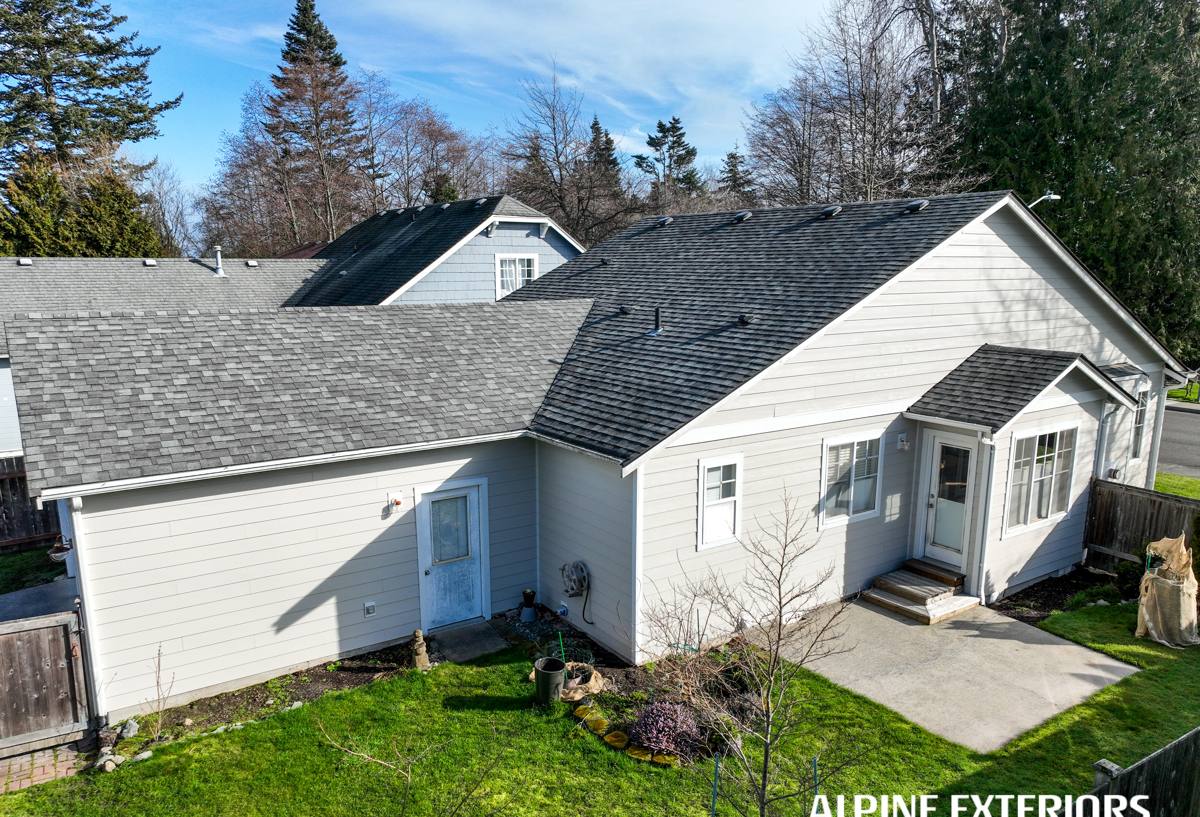
What Salt Air, Rain, and Moss Actually Do to a House
Salt Air and Metal Fasteners
Airborne salt is corrosive to exposed metal — fasteners, flashing, hinges, light fixtures, and any hardware that isn't rated for a marine environment. On a house close to the water, that corrosion process runs continuously, not seasonally. Over years, it can stain siding, streak trim, and weaken the very fasteners holding the exterior together if the wrong hardware was used in the first place.
Driving, Wind-Driven Rain
Western Washington gets a lot of rain generally, but exposed island sites get rain pushed sideways by wind off the water, which means water gets forced into joints, laps, and seams that would stay dry on a more sheltered inland lot. That puts extra pressure on flashing details, caulking, and the water-resistive barrier behind the siding — the parts of the exterior most homeowners never see and most contractors rush.
The Long Moss Season
Skagit County's mild, wet winters and shaded, humid microclimates near the water give moss and algae a long window to establish themselves on roofs, siding, and decking. Once organic growth gets a foothold in a porous or absorbent material, it holds moisture against the surface and accelerates whatever damage the moisture was already going to cause. The material's surface — how it handles being wet for weeks at a stretch — matters as much as its color or price out here.
Why We Install Only James Hardie Fiber Cement
We don't install vinyl siding, LP SmartSide, Cemplank, Allura, or primed wood products like spruce or cedar lap. That's a deliberate standard, not a limitation of what we're capable of installing. On a site like Samish Island, the trade-offs of those products show up faster and cost homeowners more over time.
- Vinyl expands and contracts with temperature swings and can warp or crack under sustained wind exposure; it also isn't repainted, so once it fades or chalks near salt spray, replacement is the only real fix.
- LP SmartSide and other engineered wood products are wood-based (strand or fiber composite), which means they rely on unbroken protective coatings and careful sealing at every cut edge; any breach lets moisture into the wood substrate, and coastal humidity gives that moisture fewer chances to dry out between rain events.
- Primed spruce or cedar is real wood — it needs ongoing paint maintenance, and in a marine climate with a long wet season, that maintenance window shrinks while the risk of rot at joints and end cuts grows.
James Hardie fiber cement is cement, sand, and cellulose fiber — it doesn't rot, it's non-combustible, and it doesn't feed moss and algae growth the way organic siding materials can. Hardie's ColorPlus factory-applied finish is baked on under controlled conditions rather than field-painted, which matters a lot when you're trying to keep a consistent finish through salt exposure and a wet season that can stretch on for months. Hardie also engineers specific product lines (their "HZ" designations) for different climate zones, and a Skagit County coastal install should be specified and installed to the zone it's actually in.
| Factor | James Hardie Fiber Cement | Vinyl | Engineered Wood (LP-type) |
|---|---|---|---|
| Moisture/rot risk | Not organic — doesn't rot | Doesn't rot, but seams can trap water | Wood-based core, vulnerable if coating fails |
| Salt air / coastal exposure | Engineered climate-specific lines available | Can chalk, fade, and become brittle | Coating and edge sealing are critical, ongoing maintenance |
| Finish | Factory-baked ColorPlus finish | Color molded in, not repaintable if damaged | Field-applied paint, needs recoating over time |
| Fire resistance | Non-combustible | Combustible | Combustible |
| Typical warranty structure | Long-term, transferable | Varies by manufacturer | Varies, often shorter on coatings |
Roofing, Windows, and Decks in a Marine Climate
Siding is only part of the exterior envelope, and on Samish Island the same exposure that affects siding affects everything else on the outside of the house.
Roofing
Moss and algae growth is one of the most common roofing complaints we hear about from island homeowners, along with fastener corrosion on older roofs where the hardware wasn't spec'd for a coastal site. We look at ventilation, underlayment, and flashing details as closely as the roofing material itself, since a roof that can't shed water and dry out is going to grow moss no matter what shingle is on top of it.
Windows
Wind-driven rain finds its way into poorly flashed window openings faster than almost anywhere else on the house. Proper window installation on an exposed site means correct flashing integration with the water-resistive barrier and siding, not just a caulked frame — caulk alone is a maintenance item, not a moisture barrier.
Decks
Decks on the island take direct weather exposure with no wall to deflect it, plus ground-level or near-ground humidity that keeps framing and decking damp longer after a rain. Fastener choice, board spacing for drainage and airflow, and ledger flashing all matter more here than they would on a sheltered inland deck.
Why a Local Crew Matters Out Here
Samish Island isn't a neighborhood you drive through on the way to somewhere else — getting a crew, materials, and equipment out there takes planning, and a contractor who doesn't regularly work the area can underestimate travel time, access constraints on some island lots, or simply not think about salt exposure when they're specifying fasteners and flashing. Being based in Burlington means Samish Island is a normal part of our route, not a special trip, and we've priced and scheduled enough island jobs to do it without surprises.
It also means we're around after the job is done. If a homeowner has a question two years later about a flashing detail or wants us to look at something before it becomes a problem, we're a short drive away, not a call center.
What to Expect From a Samish Island Project
- An in-person site visit — not just a satellite-photo estimate — since island lots vary a lot in exposure and access
- A materials plan that accounts for salt air: fasteners, flashing, and trim rated for marine exposure, not just standard-grade hardware
- Attention to water management details (flashing, laps, weep paths) before the finish material ever goes up, since that's what actually keeps a house dry
- A written scope so you know exactly what's being installed and how, before work starts
- A realistic weather-dependent schedule — we don't rush install days when wind and rain are working against a clean, sealed job
Cost Factors for Samish Island Homes
Every home and lot is different, so we don't publish blanket prices, but these are the factors that typically move a bid up or down on an island project:
| Factor | Why It Matters |
|---|---|
| Site access | Narrow driveways, waterfront setbacks, or limited staging area can add time and equipment cost |
| Existing exterior condition | Rot, moisture damage, or failed flashing found during tear-off needs to be repaired before new material goes on |
| Home size and complexity | Roof lines, dormers, and wall articulation affect labor and material cuts |
| Product selection | Hardie panel, lap, and shingle profiles, plus trim and color choices, price differently |
| Scope | Bundling siding with roofing, windows, or a deck can create efficiencies versus separate projects |
Maintenance That Actually Fits a Marine Climate
Even the right materials need some upkeep on Samish Island. A periodic rinse to knock salt residue and organic buildup off siding and decking, keeping gutters and downspouts clear so roof runoff isn't sitting against the wall line, and a visual check of caulking and flashing after a hard winter go a long way. Hardie siding's factory finish and non-organic composition cut down on how much of this is needed compared to painted wood or vinyl, but "low-maintenance" isn't "no-maintenance" anywhere this close to the water.
If you're on Samish Island and dealing with siding, roofing, windows, or a deck that's showing what the salt air and rain season have been doing to it, we're happy to come take a look. The estimate is free, there's no pressure, and you'll get a straight answer about what your house actually needs.