 Burlington
 Siding Installation for Bow Homes
Bow sits close enough to Samish Bay and the open water of Skagit County that homes here take a different kind of weather beating than houses twenty minutes inland. Salt-tinged air, wind-driven rain off the water, and a moss season that seems to start earlier and last longer every year all work on exterior cladding in ways that generic siding advice doesn't cover. If you're planning a siding installation for a home in Bow, the product and the process both need to account for that.
We install James Hardie fiber cement siding exclusively, and we've done enough work in this stretch of Skagit County to know what actually holds up out here versus what looks fine for a season or two before the problems start.
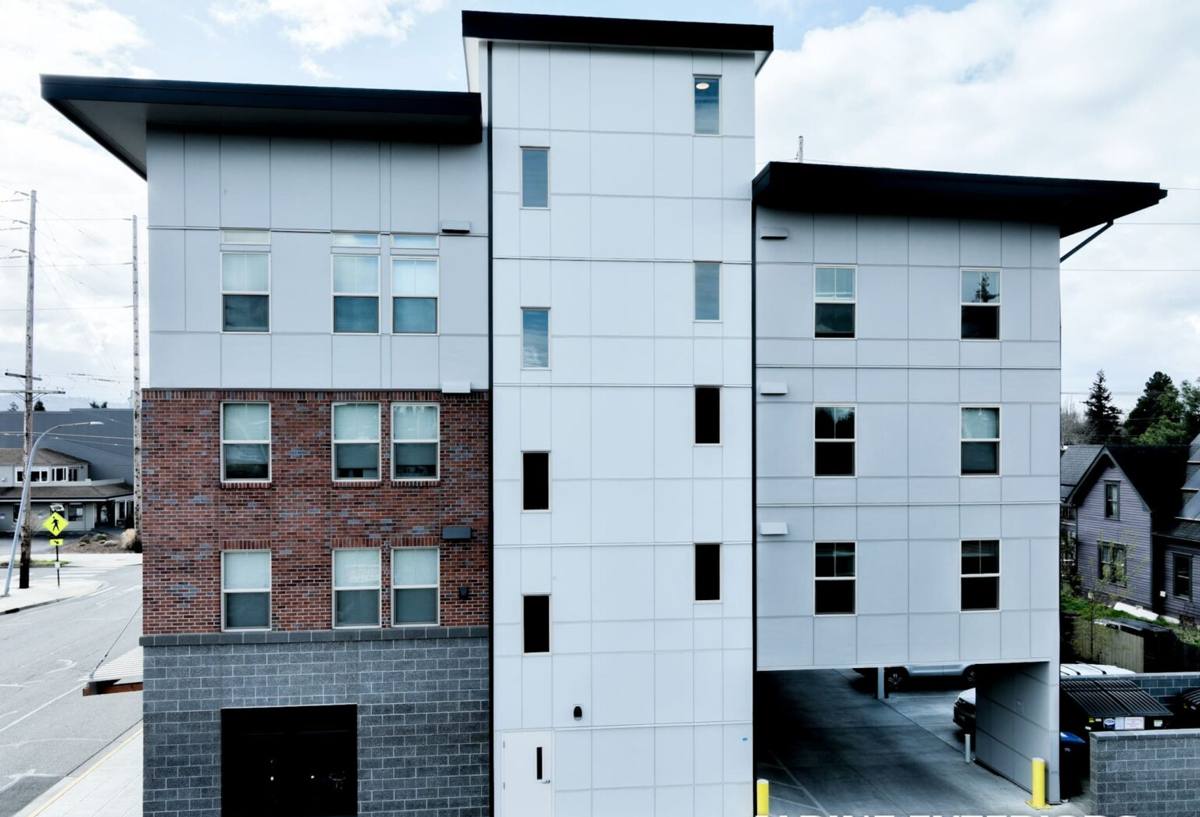
What Bow's Climate Does to Siding
Salt Air and Coastal Moisture
Homes closer to the water deal with a slow, steady exposure to salt-laden air. It's not dramatic, but it's constant, and over years it accelerates the breakdown of finishes that aren't built for it. Paint films chalk and fade faster, wood substrates absorb moisture more readily once any small crack opens up, and metal fasteners or trim pieces that aren't corrosion-resistant start showing rust stains well before the rest of the house looks worn.
Driving Rain
Storms coming off the water don't just fall straight down — wind pushes rain sideways into wall assemblies, which puts real stress on laps, joints, and anywhere two pieces of siding meet. A siding system with poor water-shedding detail at those joints will let moisture behind the cladding long before the face material itself fails. This is as much about installation geometry as it is about the product.
The Long Moss Season
Skagit County's mild, wet winters and shoulder seasons keep humidity high for much of the year, and shaded or north-facing walls in Bow are prone to moss and algae growth on siding surfaces that hold moisture. Untreated or porous materials give moss something to grip; a factory-cured, hard fiber cement surface with a durable finish gives it far less to hold onto.
Why We Install Only James Hardie
We made a decision as a company to install one product system rather than a menu of options, because it lets us guarantee the work rather than hedge on it. James Hardie fiber cement is engineered specifically for wet coastal climates like ours — it's non-combustible, dimensionally stable when it gets wet, and finished at the factory with ColorPlus technology rather than field-painted, which matters a lot in a place where a house can go weeks without a fully dry day to cure paint properly.
We don't install vinyl, LP SmartSide, Cemplank, Allura, or primed wood siding like cedar or spruce. Each of those products has legitimate uses elsewhere, but we've standardized on Hardie because of how it performs specifically in Pacific Northwest coastal conditions, and because it carries a strong transferable warranty when installed to Hardie's specifications — which is the installation standard our crews are trained to.
Hardie Product Lines Suited to Bow
| Product | Best Use | Why It Fits Bow |
|---|---|---|
| HardiePlank lap siding | Most home exteriors | HZ10 climate formulation resists moisture damage in wet, coastal-adjacent zones |
| HardiePanel vertical siding | Accent walls, gables, modern facades | Fewer horizontal laps means fewer water-entry points on wind-exposed walls |
| HardieTrim | Corners, window and door trim | Won't rot or absorb water the way wood trim does in constant damp |
| HardieSoffit | Eaves and overhangs | Resists moisture and pest damage in shaded, slow-drying areas |
What a Correct Installation Involves
The siding product is only part of the equation. Most siding failures we get called out to inspect in this area trace back to installation shortcuts, not the material itself. A correct job for a Bow home includes:
- A properly installed water-resistive barrier (WRB) behind the siding, lapped correctly from bottom to top
- Rainscreen or drainage gap detailing where the wall assembly needs it, so any incidental moisture can drain and dry instead of sitting against the sheathing
- Correct fastener type, spacing, and penetration depth per Hardie's installation manual — not shortcuts that void the warranty
- Proper clearance between the bottom edge of siding and grade, decks, and roof lines, so splashback and standing water don't sit against the material
- Caulked and flashed penetrations at every window, door, and utility penetration — the most common spot for hidden leaks
- Factory-cut and factory-primed cut edges sealed in the field wherever a board is trimmed on site
Skip any one of these and you can end up with a house that looks correctly sided from the curb but has moisture working behind the cladding within a few wet seasons — which is exactly the failure mode Bow's climate is set up to cause.
Our Process for a Bow Siding Installation
1. On-Site Assessment
We start by walking the property and looking at the specific exposures your home faces — which walls take the worst of the water-driven wind, where moss and algae are already established, whether the existing wall assembly has a functioning WRB, and what condition the sheathing is in once the old siding comes off.
2. Tear-Off and Sheathing Check
Once old siding is removed, we inspect sheathing for rot or moisture damage before anything new goes up. This is often the point where hidden problems from a previous installation surface — and it's much cheaper to address them now than to bury them under new siding.
3. Weather Barrier and Drainage Detail
We install or verify the water-resistive barrier and drainage plane before any Hardie product goes on the wall. This step matters more in Bow than it does further inland, given how much wind-driven rain the area sees.
4. Hardie Installation to Spec
Boards, panels, and trim go up following Hardie's fastening and clearance requirements, with attention to flashing at every window, door, and penetration.
5. Final Walkthrough
We walk the finished job with you, checking caulking, trim lines, and clearances, and go over basic care so the siding performs the way it's engineered to for the long haul.
Why Hiring a Crew That Already Works in Bow Matters
Siding installation isn't a one-size-fits-all trade. A crew that mostly works dry, inland conditions may not think twice about details that are non-negotiable this close to the water — drainage planes, fastener corrosion resistance, clearance from grade. We work throughout Skagit County, including Burlington and the Bow area specifically, so we're not guessing at what this climate does to a wall assembly over ten or twenty years. We're building to what we've already seen happen when it's done wrong.
Local familiarity also matters for practical reasons: knowing which walls in a given part of Bow tend to stay shaded and damp longest, understanding typical lot drainage patterns, and being able to schedule around the wetter stretches of the year so installation isn't rushed during a bad weather window.
Maintenance After Installation
Correctly installed Hardie siding is low-maintenance, not no-maintenance. In a climate like Bow's, a simple annual routine goes a long way:
- Rinse siding annually to remove salt residue and organic buildup before it can take hold
- Check caulking at trim and penetrations yearly for cracking or gaps
- Keep gutters clear so overflow doesn't run down and saturate wall sections repeatedly
- Trim back vegetation and landscaping that keeps a wall section shaded and slow to dry
- Address any moss or algae growth promptly with a gentle wash rather than letting it establish
What Affects Cost
Every Bow property is a little different, but the main cost factors for a siding installation are consistent:
| Factor | Why It Matters |
|---|---|
| Home size and wall complexity | More corners, gables, and dormers mean more trim and labor time |
| Condition of existing sheathing | Rot or moisture damage found during tear-off adds repair work before siding goes up |
| Product selection within the Hardie line | Lap vs. panel vs. shingle-style products carry different material and labor costs |
| Site access | Tight lots, water-adjacent properties, or difficult staging areas can affect labor time |
| Existing drainage plane condition | Adding or upgrading a rainscreen system adds cost but pays off in long-term performance |
We provide a written estimate that breaks these factors down for your specific home rather than a flat per-square-foot number, since the condition behind the old siding often isn't clear until tear-off begins.
Get a Straightforward Estimate
If you're weighing a siding replacement for a home in Bow or elsewhere around Burlington, we're happy to come take a look, walk you through what we're seeing on your specific walls, and give you a clear, no-pressure estimate for a James Hardie installation built for this climate. Use the form below to get started.