 Burlington
 Siding in Alger: A Different Kind of Wear
Alger sits in the rural stretch of Skagit County just north of Burlington, where wooded lots, larger acreages, and a mix of older farmhouses and newer builds are the norm rather than the exception. Homes here don't face the same siding conditions as a house on a bare, open lot in town. Between the tree canopy that shades many Alger properties for much of the day and the moisture that rolls in off the Salish Sea, siding in this area is asked to do more than just look good — it has to hold up against a slower, quieter kind of wear that shows up as soft trim, chalky paint, and creeping green growth long before anyone notices a leak.
A siding installation that's "good enough" for a drier, sunnier part of the state often isn't good enough for Alger. The right approach starts with understanding exactly what this climate does to a wall system over ten, twenty, and thirty years — and building the installation around that, not around a generic spec sheet.
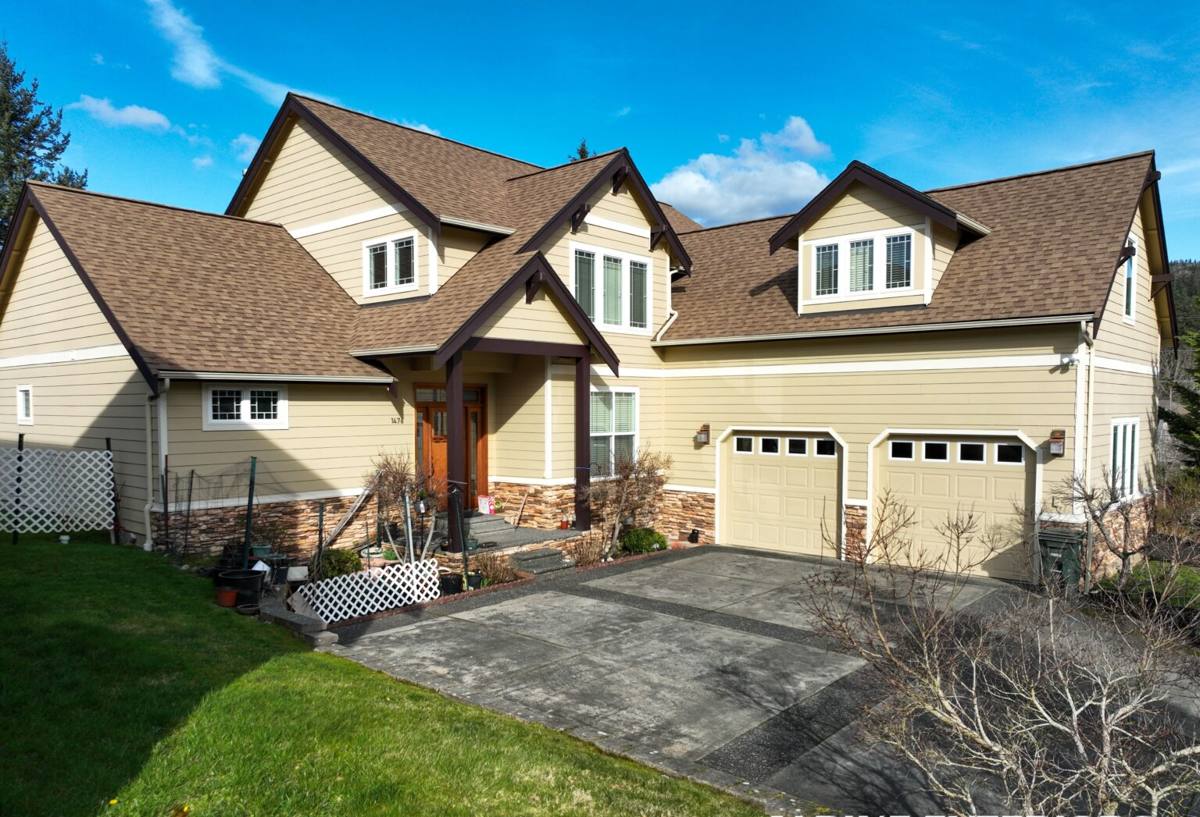
The Climate Factors That Matter Most in Alger
Salt Air and Slow Corrosion
Skagit County's proximity to Puget Sound and Samish Bay means salt-laden air reaches inland further than most homeowners expect, especially on windier days. Salt air doesn't damage siding the way a direct storm does — it works slowly, accelerating corrosion on fasteners, flashing, and any metal trim components. Over years, that corrosion can loosen fastening points and let water find its way behind the siding plane long before the siding itself looks worn.
Driving Rain and Wind-Driven Moisture
Western Washington's rain rarely falls straight down. Wind-driven rain pushes moisture sideways into every seam, joint, and butt gap in a siding system, which is why lap siding installed with tight or improperly sealed joints tends to fail at those exact points first. In an area like Alger, with open exposure along field edges and less wind-blocking than a dense in-town neighborhood, driving rain finds weak installation details fast.
Moss, Algae, and a Long Shaded Season
Tree cover is part of what makes Alger attractive, but it also means many homes stay damp and shaded well after a storm has passed elsewhere in the county. That extended dampness is exactly what moss and algae need to establish themselves on a north-facing wall or anywhere siding sits close to overhanging branches. Once moss takes hold, it holds moisture directly against the siding surface, which is a much bigger problem for materials that swell, rot, or delaminate than it is for a material engineered to resist it.
Why We Only Install James Hardie Fiber Cement
We install James Hardie fiber cement siding exclusively — not vinyl, not LP SmartSide, not cedar, not primed spruce. That's not a marketing preference; it's a standard we hold because of exactly the conditions described above. Fiber cement doesn't rot, doesn't provide a food source for the organic growth that thrives in Alger's shaded, damp microclimates, and it's non-combustible, which matters in a county where wildfire smoke and dry-season fire risk have become a real seasonal concern even in typically wet areas.
Engineered HZ5 Products for the Pacific Northwest
James Hardie's HZ5 product line is engineered specifically for climates with sustained moisture exposure, which describes Skagit County well. The formulation and installation specifications are built around regions that see this combination of rain, humidity, and temperature swings — it's not a one-size-fits-all product pulled from a warmer, drier market.
A Factory Finish That Doesn't Rely on Field Paint
ColorPlus factory finish is baked on under controlled conditions before the siding ever reaches a jobsite, which means the color and protective topcoat aren't dependent on field weather, application skill, or a painter working around Skagit County's rain windows. That matters in an area where a good, dry stretch to paint a house from a ladder can be hard to come by for months at a time.
What a Correct Siding Installation Actually Involves
Fiber cement performs well over decades, but only when the installation behind it is done correctly. Most of the siding failures we get called out to inspect in Skagit County aren't material failures — they're installation shortcuts that let water get where it shouldn't.
Water-Resistive Barrier and Flashing Details
Every correct installation starts with a continuous water-resistive barrier, properly lapped and sealed, with flashing integrated at every window, door, deck ledger, and penetration. In a driving-rain climate, flashing details aren't optional trim work — they're the difference between water shedding off the wall and water tracking behind it.
Fastening, Clearances, and Joint Treatment
James Hardie specifies exact fastener types, spacing, and embedment depth, along with minimum clearances from grade, roofing, and decks. Skipping these to save time is the single most common cause of premature siding problems we see — clearance violations trap moisture right where a wall meets a walkway or a roofline, which is often the first place moss and rot show up on an otherwise sound wall.
Our Process, Start to Finish
- On-site assessment — we walk the exterior, check existing siding and sheathing condition, note shaded or moisture-prone areas, and identify any trim, flashing, or drainage issues hiding behind the current siding.
- Detailed proposal — a written scope covering product line, color, trim details, and any sheathing or moisture-barrier repair needed before new siding goes on.
- Tear-off and inspection — old siding comes off in sections so we can inspect sheathing for hidden damage before it's covered up again.
- Water-resistive barrier and flashing installation — done to manufacturer spec, not shortcuts, with special attention to window and door integration.
- Siding installation — fastened, spaced, and clearanced to James Hardie's published specifications for our climate zone.
- Final walkthrough — we review the finished work with you and confirm trim, caulking, and touch-up details before calling the job complete.
Comparing Siding Options for Alger's Environment
| Material | Behavior in Sustained Moisture | Moss/Algae Resistance | Finish Durability |
|---|---|---|---|
| James Hardie Fiber Cement (HZ5) | Does not rot or absorb water like wood-based products | Does not provide an organic growth food source | Factory ColorPlus finish, not field-dependent |
| Vinyl | Can warp and gap at seams under wind-driven rain | Growth can establish in seams and behind panels | Color fades with UV exposure over time |
| LP SmartSide (engineered wood) | Wood-based core is more moisture-sensitive at cut edges and joints | Requires diligent maintenance in shaded, damp settings | Field-applied or factory finish still wood-substrate dependent |
| Cedar / Primed Spruce | Natural wood, most sensitive to sustained dampness | Highest maintenance burden in shaded climates | Requires regular refinishing to hold up |
This isn't a claim that other products can't be installed well — it's why, given what we see happen to siding in exactly this kind of climate over years, we've chosen to only stand behind one system.
What Drives the Cost of a Siding Project
- Home size and wall complexity — more corners, gables, and trim details mean more labor and material cuts.
- Condition of existing sheathing — hidden rot or moisture damage found during tear-off adds repair scope.
- Access and site conditions — tree-covered, sloped, or rural lots common around Alger can affect staging and equipment access.
- Product line and color — HZ5 panel, plank, and shingle-style products vary in material cost.
- Trim and detail work — corner boards, window casings, and fascia details add finish-carpentry time.
We don't quote a job until we've actually looked at the house — every Alger property's tree cover, exposure, and existing condition is different enough that a phone-estimate range wouldn't be honest.
Signs Your Current Siding Is Already Failing
- Soft or spongy spots when you press on siding or trim, especially near the bottom courses
- Persistent green or black staining that returns shortly after cleaning
- Paint that's bubbling, peeling, or chalking heavily on one side of the house
- Visible gaps opening up at butt joints or corner boards
- Warping or bowing panels, particularly on shaded, north-facing walls
- Rising energy bills that suggest the wall assembly behind the siding is no longer doing its job
Why Hiring a Crew That Already Works in Alger Matters
A crew that regularly works Alger and the surrounding Burlington area already understands which walls take the worst of the driving rain, which properties hold onto moisture longest under tree cover, and how Skagit County's building department expects flashing and moisture-barrier details to be documented. That local familiarity shows up in fewer surprises during tear-off, fewer callbacks, and a finished installation that's actually built for the property it's on — not a generic template applied the same way it would be on a dry, open lot somewhere else in the state.
If you're weighing a siding replacement or new construction siding in Alger, we're glad to walk your property, look at what your home is actually dealing with, and put together a straightforward, no-pressure estimate. There's no obligation — just an honest look at what your siding needs and what it would take to get it right. Use the form below to get started.