 Burlington
 Window Installation in Lyman, Washington
Lyman sits in the Skagit River valley just outside Burlington, in a stretch of Skagit County where farmland, timber, and river bottom meet. Homes out here take weather differently than a house tucked into a subdivision closer to town. There's less to break up wind-driven rain, more standing shade and moisture around older tree lines, and a longer stretch of damp months than most of the country ever sees. Windows are one of the first places that shows up — as drafts, fogged glass, soft trim, or a sash that won't latch the way it used to.
We install windows for homeowners throughout the Burlington area, including Lyman, and we treat this as a local job, not a generic one. The flashing details, the glass package, and the frame material that make sense here aren't always the same ones a big-box crew from outside the county would default to.
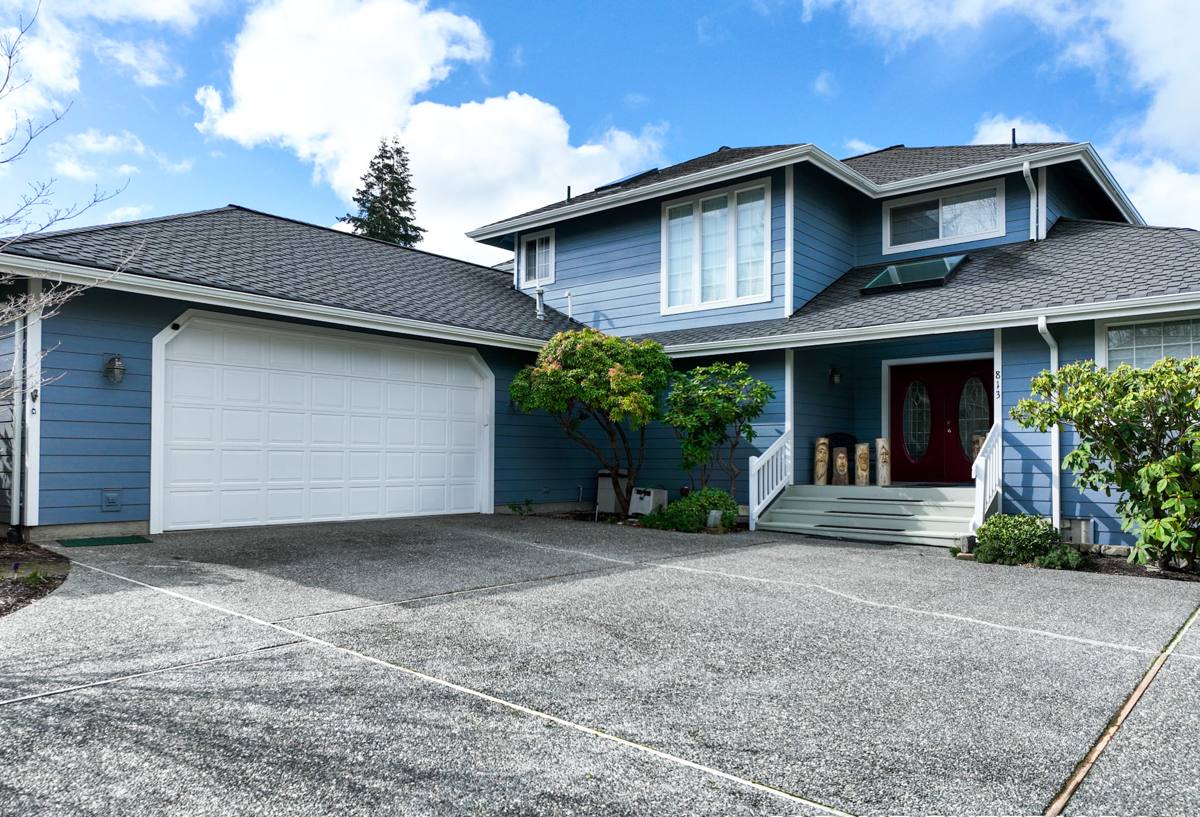
What This Climate Does to Windows Over Time
Skagit County's marine climate means near-constant humidity, a real moss season that can stretch from fall through spring, and rain that often comes sideways rather than straight down. None of that is unique to Lyman, but rural properties tend to feel it more directly — more standing moisture near foundations, more shaded siding and trim that never fully dries out, and older housing stock that was built to a lower window-performance standard than what's available today.
Over years, that combination shows up in predictable ways:
- Wood sashes and sills that soften or rot where paint has failed
- Condensation forming between panes, a sign the seal has failed on older insulated glass
- Moss or dark streaking on trim and siding just below or beside window openings
- Cold drafts around the frame even when the window is fully latched
- Difficulty opening or closing sashes that have swollen from moisture
None of these are cosmetic issues you can paint over for long. Once water is getting behind a window frame, it's usually moving into the wall assembly too, and that's a bigger repair than the window itself.
Signs It's Time to Replace, Not Repair
Not every problem window needs full replacement — sometimes a failed seal or bad weatherstripping can be addressed on its own. But there's a point where repair stops making sense. Before we ever recommend replacement, we look for a combination of these:
- Visible or probed rot in the sill, jamb, or surrounding framing
- Persistent fog or moisture between the panes of a dual-pane unit
- Single-pane glass with no insulated glazing at all (still common in older Lyman farmhouses)
- Windows that are painted shut, warped, or won't stay open without a prop
- Noticeable drafts you can feel by hand along the frame on a windy day
- Rising heating costs with no other explanation
If a house has two or three windows showing these signs, it's worth having the rest of the openings checked at the same visit — problems in this climate rarely stay isolated to one window for long.
What a Correct Window Installation Actually Involves
Removal and Inspection
The old window comes out carefully, and the opening gets inspected before anything new goes in — sill, jack studs, header, and the sheathing around the rough opening. This is the point where hidden rot or past water damage gets found. Skipping this step and just dropping a new window into a bad opening is how call-backs happen two winters later.
Water Management and Flashing
This is the part that matters most in a climate like this one. A correct install builds a drainage plane: a sloped sill pan so any water that gets past the window has somewhere to go besides the framing, flashing tape integrated with the house's weather-resistive barrier in the right shingle-lap order (bottom first, sides, then top), and a head flashing detail that sheds water out and away rather than trapping it against the siding above. Driving rain doesn't fall straight down — it gets pushed sideways into these openings, so the side and top details matter as much as the sill.
Insulation and Air Sealing
Gaps around the new frame get insulated, not just caulked shut. Overpacking a gap with the wrong material can bow a frame out of square; underinsulating leaves a cold, draft-prone edge. The goal is a snug, even fill with a proper air seal to the interior, so warm indoor air isn't reaching cold glass and condensing.
Setting, Squaring, and Finishing
The window gets shimmed level, plumb, and square before it's fastened — a window installed slightly out of square will bind, leak, or fail its seal early no matter how good the unit is. Once it's set, exterior trim and sealant get finished to shed water, and the sash gets checked for smooth operation before the crew leaves.
Choosing the Right Window for a Lyman Home
Frame material and glass package both affect how a window holds up here. We don't push one brand as the only option — we talk through trade-offs based on the house, the budget, and how exposed that particular wall is to weather.
| Frame Material | How It Handles This Climate | Maintenance |
|---|---|---|
| Vinyl | Good moisture resistance, won't rot; performance varies a lot by manufacturer quality | Low — occasional cleaning |
| Fiberglass | Very stable in temperature swings and damp conditions, holds paint well if color changes are wanted later | Low |
| Wood-clad | Attractive interior wood look; exterior cladding protects from rain but any breach in the cladding invites rot | Higher — watch cladding seams and caulking |
| Bare wood | Traditional look but the most vulnerable to this region's rain and moss exposure without diligent upkeep | Highest — regular repainting and sealing |
On glass, most Skagit County homes do well with a good dual-pane, low-E coated unit — it manages heat loss in our cool, wet winters and keeps summer solar gain in check. Triple-pane glass adds cost and weight for a modest efficiency gain; it's worth discussing for a north-facing wall that never gets sun, or a home right on the river where wind exposure is higher, but it isn't a default we push on every job.
What Drives the Cost of a Window Project
Every quote is different because every house is different, but the same handful of factors move the number up or down. Being upfront about these before we start keeps estimates honest.
| Factor | Why It Matters |
|---|---|
| Number of windows | Per-unit cost drops somewhat on larger projects, but each opening still needs full flashing attention |
| Frame material and glass package | Vinyl, fiberglass, and wood-clad price differently; low-E and triple-pane glass add cost |
| Condition of the existing opening | Rot repair to the sill, jamb, or sheathing is priced separately from the window itself |
| Retrofit vs. full-frame replacement | Full-frame work (removing exterior trim and old nailing flanges) costs more but is often the right call on older openings |
| Trim and siding tie-in | Matching or repairing trim and siding around the new window adds labor and material |
As a rough range, straightforward window replacements on a home with sound framing tend to run from a few hundred to over a thousand dollars per opening depending on size and materials — rot repair or full-frame work moves that higher. We won't know your real number until we've looked at the actual openings.
Our Process, Start to Finish
Estimate and Assessment
We walk the exterior and, where accessible, the interior around each window you're considering. We check for existing rot, note the current frame and glass condition, and talk through which windows genuinely need replacement versus which can wait.
Scheduling and Prep
We order the correct window sizes and materials before scheduling install day, and we plan around weather — driving rain mid-install is a real risk to manage, not something to push through.
Install Day
Openings are done one at a time so the house isn't left exposed. Old window out, opening inspected and repaired as needed, new window flashed, set, insulated, and finished before moving to the next.
Final Walkthrough
Every new window gets operated, checked for square and smooth function, and the exterior finish work gets a final look before we consider the job done.
Why Hire a Crew That Already Works in Lyman
A window installer who mostly works subdivisions closer to Burlington or in tighter urban lots isn't necessarily wrong about window installation in general — but rural, riverside properties come with their own realities: older framing lumber, homes that have settled unevenly over decades, wells and septic systems to work around, and longer driveways that affect how a crew stages material and disposal. A crew that's already done this kind of property knows to check for those things before they become a surprise mid-project, rather than after the new windows are already in.
Working regularly around Burlington and greater Skagit County also means we're used to permitting expectations for exterior work and to matching new windows into older trim and siding without it looking like a patch job.
Get a Free Estimate
If your Lyman home has windows that are drafty, fogged, rotting at the sill, or just old enough that you're wondering, we're happy to take a look. The estimate is free, there's no pressure to move forward, and you'll get a straight answer about what actually needs replacing versus what can wait. Use the form below to get started.