 Burlington
 Roof Repair Built for Blanchard's Climate, Not Just Any Roof
Blanchard sits close enough to Samish Bay and the Skagit County shoreline that salt-laden air is part of daily life, even on roofs that never see standing water. Add in driving rain off Puget Sound storms and a moss season that can run from early fall through late spring, and you have a set of conditions that wear on a roof differently than they would further inland. A repair that holds up in a dry climate can fail here within a season or two if it doesn't account for what this specific stretch of Skagit County throws at a roof year-round.
This page is about roof repair specifically for homes in and around Blanchard — what tends to go wrong, what a correct fix actually involves, and how we approach the job when we're called out to a property here.
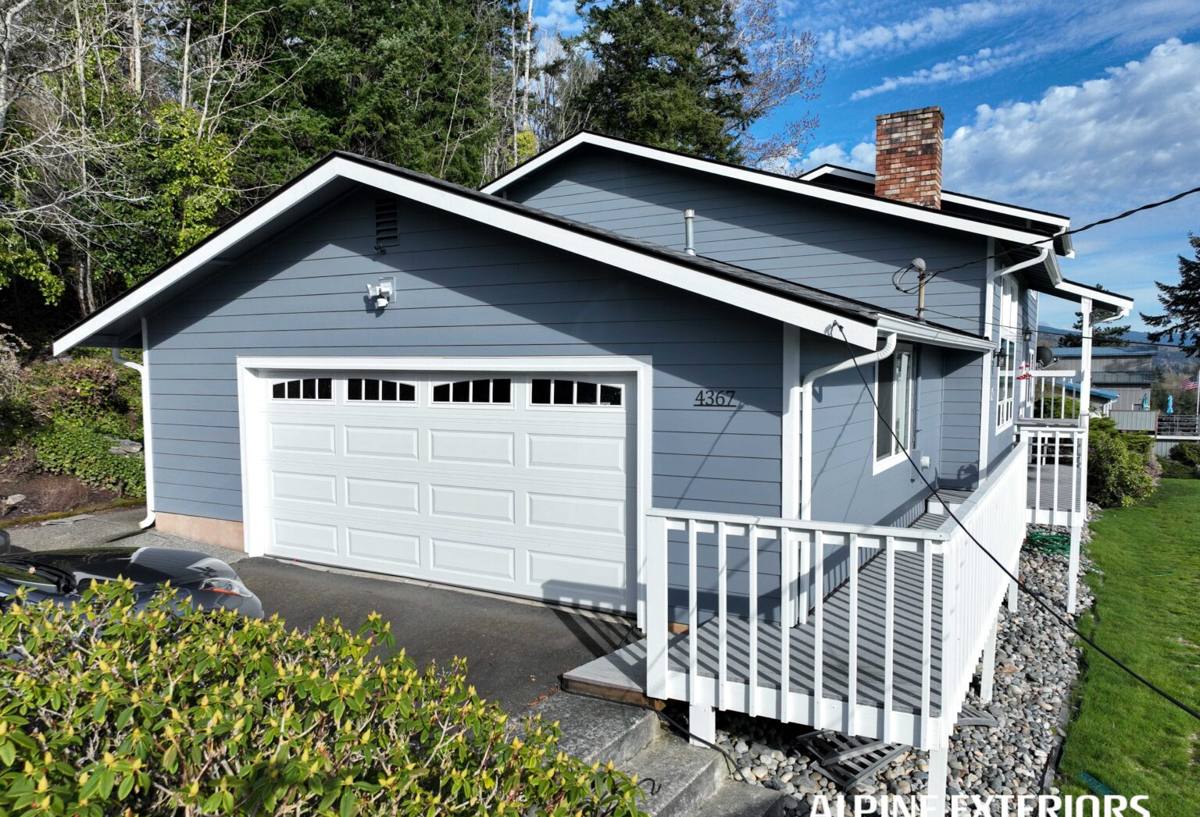
Why Blanchard Roofs Take a Different Kind of Beating
Three regional factors do most of the damage to roofs in this area, and they often work together rather than separately:
Salt Air
Proximity to the water means airborne salt settles on roofing materials and, more importantly, on exposed metal — flashing, nail heads, vent caps, and gutter hardware. Salt accelerates corrosion on untreated or lower-grade metal, which is often where a "small" roof leak actually starts: not a failed shingle, but a rusted-through flashing seam or a corroded fastener that's backed out just enough to let water in.
Driving Rain
Storms coming off the Sound don't just drop rain straight down — wind pushes it sideways, up under shingle edges, and into any gap around penetrations like chimneys, plumbing vents, and skylights. A roof that would be watertight in calm rain can still leak in a wind-driven storm if flashing laps and seals aren't detailed correctly. This is one of the most common reasons we get called to a roof that "shouldn't" be leaking based on its age.
Long Moss Season
Skagit County's wet, mild fall-through-spring stretch is close to ideal growing conditions for moss, especially on roof sections shaded by fir and cedar trees, which are common on Blanchard properties. Moss doesn't just look bad — it holds moisture against the roofing material, lifts shingle edges as it grows, and keeps sections of the roof damp long after the rest has dried. Over time, that trapped moisture is what leads to soft decking and premature granule loss.
Common Roof Repair Needs We See in Blanchard
Not every roof problem here looks the same, but a handful of issues show up again and again on the calls we take in this area:
- Flashing failures around chimneys, skylights, and plumbing vents — usually corrosion or a seal that's dried out and cracked
- Moss-related shingle lifting and granule loss on north-facing or tree-shaded slopes
- Wind-driven leaks at ridge caps and hip lines after a strong storm
- Soft or spongy decking discovered during a repair, from long-term moisture intrusion that wasn't caught early
- Gutter and edge flashing separation, which redirects water back under the roof edge instead of away from it
- Nail pops and fastener corrosion that loosen shingles over time, especially on south and west exposures that see the most weather
Most of these start small. The reason they turn into bigger repairs — or full section replacements — is usually time: a minor leak that goes unnoticed for a wet season or two does a lot more damage than the same leak caught early.
What a Correct Roof Repair Actually Involves
A roof repair that's going to last in this climate needs to do more than patch the visible problem. Here's what we check and address on every repair call.
Tracing the Leak to Its Real Source
Water often travels along the underside of the roof deck before it shows up as a stain on a ceiling, so the visible drip point isn't always where the actual failure is. A correct repair starts with finding the real entry point — usually at a flashing detail, a fastener, or a shingle edge — rather than sealing over the spot where the water happens to be showing up inside.
Flashing Details
Given how much of our repair work traces back to flashing, we pay close attention to the material and installation at every penetration: proper laps, correct fastening, and sealant that's appropriate for this climate rather than a quick surface caulk. Flashing that's already showing salt corrosion typically gets replaced rather than patched, since a patch on corroded metal is a short-term fix at best.
Moss and Debris Removal Done the Right Way
Moss needs to come off, but how it's removed matters. Aggressive pressure washing can force water under shingles and strip protective granules, which trades a moss problem for a moisture and wear problem. We remove moss and debris with methods that don't drive water into the roof system, then address the underlying cause — usually shade and airflow — so it doesn't come right back.
Checking What's Underneath
Once we're into a repair area, we check the condition of the underlayment and decking, not just the shingles on top. If moisture has already reached the decking, patching the surface layer without addressing what's underneath just hides the problem until it resurfaces, usually as a bigger repair.
Matching Materials
Where possible, we match existing shingle type, color, and profile so a repair blends in rather than becoming an obvious patch. This isn't always exact — older shingles fade and discontinued lines happen — but it's a standard we hold ourselves to rather than treating a repair as purely functional.
Repair or Replace? How We Make That Call
Not every roof problem in Blanchard needs a full roof replacement, and we don't default to recommending one. The table below covers the factors that actually drive that decision.
| Factor | Usually Points to Repair | Usually Points to Replacement |
|---|---|---|
| Age of roofing material | Well within its expected service life | At or past the end of its expected service life |
| Extent of damage | Localized — one flashing detail, one slope, one leak point | Widespread across multiple slopes or systemic wear |
| Decking condition | Solid, no soft spots found | Soft, delaminated, or repeatedly wet decking |
| History of leaks | First occurrence or isolated incident | Recurring leaks in different spots over time |
| Moss/algae staining | Surface growth, shingles still intact underneath | Heavy, long-term growth with granule loss and lifted edges |
We walk the roof, explain what we find in plain terms, and give you the honest option — even when that's the cheaper one. A repair that's done correctly can add real years to a roof that isn't ready for replacement yet.
Our Roof Repair Process
- Inspection and diagnosis. We look at the whole roof, not just the reported leak area, since related wear is common nearby.
- Straight explanation. You get a clear rundown of what's actually wrong, what caused it, and what your realistic options are — repair, partial replacement, or full replacement.
- Written estimate. No pressure, no surprise add-ons once work is underway.
- The repair itself. Correct flashing, matched materials where possible, and attention to what's underneath the surface layer — not just a patch over the symptom.
- Cleanup and walkthrough. We clear debris and go over the work with you before we consider the job done.
Roofing Materials We Work With for Repairs
Most Blanchard roofs we repair are asphalt composition shingle, with some cedar shake and metal roofing mixed in. Each has different repair considerations in this climate:
| Material | What to Know for Repairs Here |
|---|---|
| Asphalt composition shingle | Most common, easiest to source matching material; algae-resistant (AR) shingles hold up better against moss and staining in this climate than standard shingles |
| Cedar shake | Needs careful attention to ventilation and moisture behavior; moss and rot risk are higher if airflow underneath is restricted |
| Metal roofing | Long-lasting, but fastener and flashing metal quality matters even more near salt air — mismatched or lower-grade metal corrodes faster |
We work with what's already on your roof rather than pushing a different system during a repair call, unless the existing material is genuinely not holding up and it's worth discussing longer term.
A Homeowner's Roof Checkup List
Between visits from us, there are a few things worth checking yourself, especially heading into or coming out of the wet season:
- Look for moss buildup starting on shaded or north-facing slopes before it spreads
- Check gutters for granule buildup, which can signal shingle wear
- Watch for water stains on interior ceilings, especially near chimneys or vent penetrations
- Look at exposed flashing for visible rust or discoloration after a wet winter
- Note any daylight visible through the attic at roof penetrations, if your attic is accessible
- Trim back tree branches that keep a section of roof shaded and damp longer than the rest
None of these require getting on the roof yourself — most can be checked from the ground or from inside the attic. If something looks off, it's worth having it looked at before the next storm season, not after.
Why a Crew That Already Works Blanchard Matters
A roofer who works this specific area regularly knows what to expect before they climb the ladder — the salt exposure near the water, the shade patterns that keep moss coming back on the same slopes, and the flashing failures that show up more often here than in drier parts of the county. That familiarity shortens diagnosis time and means the repair addresses the actual regional cause, not just the visible symptom.
Being based out of Burlington also means we can get to a Blanchard property quickly when a leak shows up mid-storm, and we're not learning the local climate on your roof for the first time. We handle roof repair as part of the full range of exterior work we do across Skagit County, so we're looking at your roof in the context of the whole home — flashing tie-ins with siding, gutter drainage, and how water actually moves off the structure — not in isolation.
If you've got a leak, moss buildup, or storm damage on a Blanchard roof, we're happy to take a look and give you a straight, no-pressure estimate — use the form below to get started.