 Burlington
 Windows Built for La Conner's Waterfront Climate
La Conner sits close enough to the Swinomish Channel and the Salish Sea that homes here take a different kind of weathering than houses further inland in Skagit County. Salt-laden air, near-constant humidity, driving rain off the water, and a long moss season that runs most of the fall through spring all work on window frames, sills, and seals in ways that dry-climate windows were never designed to handle. We're a Burlington-based crew that works this specific stretch of Skagit County regularly, and La Conner's window problems tend to look different from what we see on a typical Burlington or Mount Vernon job.
This page is about window replacement specifically for La Conner-area homes: what the local climate does to windows, what a correct replacement job actually involves, and why it matters to hire a crew that already knows the area rather than someone learning it on your dime.
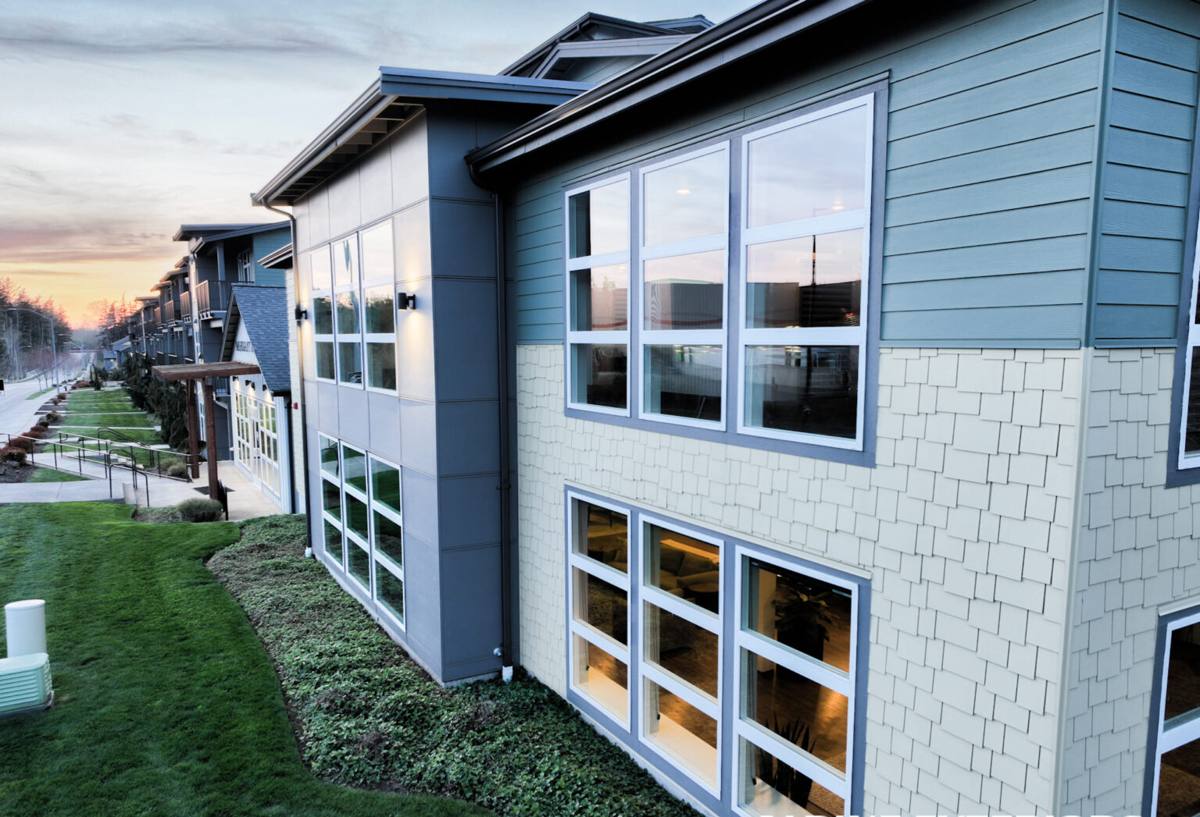
What Salt Air, Rain, and Moss Do to Windows Over Time
Salt Air and Metal Hardware
Airborne salt accelerates corrosion on window hardware — hinges, locks, balance mechanisms, and screen frames. On homes closer to the water, we see pitting and seizing on hardware well before the glass or frame itself shows any problem. Once hardware starts failing, windows get harder to open, close, or lock properly, which is often the first real sign something needs attention.
Driving Rain and Wind-Driven Moisture
Storms moving in off the water don't just fall straight down — wind pushes rain sideways into wall assemblies and window openings. That means flashing details and sealant lines around a window have to work harder here than they would on a more sheltered inland lot. A window that's watertight in a light rain can still leak during a wind-driven storm if the flashing wasn't installed correctly the first time.
Moss, Algae, and Trapped Moisture
Skagit County's long wet season keeps moss and algae active on north-facing walls, sills, and trim for much of the year. Beyond the cosmetic issue, moss holds moisture directly against wood trim and sill surfaces, which is a slow but steady path to rot if it's left to sit season after season.
Signs a La Conner Home Needs Window Replacement
- Windows feel drafty or you can hear more outside noise than you used to — a sign seals have failed
- Fogging or a permanent haze between panes on double- or triple-glazed windows (failed seal, moisture between the glass)
- Wood sills or frames that feel soft, spongy, or show dark staining, especially on the north or water-facing side of the house
- Hardware — locks, cranks, or balances — that's stiff, corroded, or has stopped working smoothly
- Visible gaps, cracked caulking, or peeling paint around the window trim
- Persistent moss or algae growth on the sill or trim that keeps coming back no matter how often it's cleaned
- Noticeably higher heating bills without any other explanation
Any one of these on its own might just need a repair. Several of them together, especially on an older home, usually mean the windows have reached the end of their useful life.
What a Correct Window Replacement Job Actually Involves
Window replacement done right is mostly about what you can't see once the job is finished. The window itself matters, but the flashing, sealing, and integration with the wall assembly around it is what determines whether that window stays watertight for the next twenty years or starts leaking in three.
Removing the Old Window Correctly
We pull the old window and inspect the rough opening before anything new goes in. This is the point where hidden rot, old failed flashing, or water damage gets caught — and it needs to get caught here, not after the new window is already sealed in place.
Flashing and Weather Barrier Integration
The flashing has to tie into the home's existing weather-resistive barrier in the correct shingle-lap order — sill pan first, then side flashing, then head flashing over the top — so water is always directed out and down, never trapped behind the window. This is the single most important step for a home exposed to wind-driven rain, and it's the step that gets skipped or rushed on lower-quality installs.
Sealing and Insulation
Gaps around the window frame get insulated (typically low-expansion foam so the frame isn't distorted) and sealed with an appropriate exterior sealant rated for our climate. Interior and exterior sealing both matter — exterior keeps bulk water out, interior air-sealing keeps drafts and moisture-laden indoor air from condensing inside the wall cavity.
Trim and Finish Work
Trim gets reset or replaced, caulked, and finished to shed water rather than collect it. On homes near the water, we pay particular attention to horizontal surfaces like sills, since those are what hold moisture and grow moss the longest.
Choosing Window Materials for Coastal Skagit County Conditions
There's no single "best" window material for every home — it depends on your budget, your home's age and style, and how much upkeep you want to take on. Here's how the common options hold up specifically in a salt-air, high-moisture environment like La Conner.
| Frame Material | Coastal Performance | Maintenance | Typical Trade-Off |
|---|---|---|---|
| Vinyl | Doesn't corrode or rot; handles moisture well | Low — occasional cleaning | Less rigid over very large spans; color/finish options are more limited |
| Fiberglass | Very stable in temperature and moisture swings; strong against wind-driven rain | Low | Higher upfront cost than vinyl |
| Wood (unclad) | Attractive, traditional look, but most exposed to moisture and moss-related decay | High — regular painting/sealing required | Best suited to sheltered elevations, not full water exposure |
| Wood-clad (aluminum or fiberglass exterior) | Good — cladding protects the wood core from direct weather | Moderate | Clad seams need to be well-sealed or moisture can still work behind the cladding |
For homes with direct exposure to wind off the water, we generally steer clients toward vinyl or fiberglass for the exterior-facing units, simply because they don't give salt air, rain, or moss anything to work with. That's our professional recommendation based on how these materials hold up over time in this specific climate, not a knock on wood windows in general — a wood-clad or interior wood-finish window can still be the right call on a sheltered wall or for matching an existing architectural style.
Glass Package Considerations
Double-pane, low-E glass is the standard baseline for this climate and handles our moisture and moderate temperature swings well. Triple-pane adds more insulation value and sound dampening, which is worth considering on a home closer to the water or a busier road, but it comes at extra cost and weight — something to factor in for larger openings.
Our Process for La Conner Window Replacement Projects
- On-site assessment — we look at each window individually, check the rough openings, and note any rot, flashing issues, or hardware problems before quoting anything
- Honest recommendation — we tell you which windows genuinely need replacement now, which can wait, and which just need a repair or re-caulk
- Measurement and ordering — precise measurements matter more here than in a drier climate, since a loose-fitting window gives wind-driven rain a path in
- Installation — old window removal, opening inspection, correct flashing sequence, insulation, and sealing, done one opening at a time so your home isn't left exposed
- Finish and cleanup — trim, caulking, and a final check that every window opens, closes, and locks smoothly
We work around La Conner's weather rather than against it — we don't leave openings uncovered overnight if rain is likely, and we sequence multi-window jobs to limit how long any wall is open to the weather.
Why a Burlington Crew That Already Works La Conner Matters
Window replacement isn't just about the product — it's about correctly reading how a specific home, on a specific lot, in a specific microclimate, needs to be flashed and sealed. A crew that regularly works La Conner and the surrounding Skagit County waterfront has already seen how salt air affects hardware over five or ten years, which elevations take the worst wind-driven rain, and where moss tends to build up and cause problems if it's not addressed at the trim level during installation.
Being based in Burlington also means we're a short drive away for a warranty check, a follow-up question, or a repair years down the line — not a company that did one job in the area and moved on.
Preparing for a Window Replacement Estimate
- Make a list of which windows are giving you trouble and what specifically bothers you about each (drafts, fogging, sticking, noise)
- Note which walls face the water or take the worst weather — that affects material and flashing recommendations
- Have a rough idea of your budget range so we can talk through realistic options rather than a one-size quote
- Mention if you're also planning siding or trim work — coordinating window and siding work at the same time can save on labor and reduce how many times your walls get opened up
- Ask about warranty coverage on both the window product and the installation labor — they're usually separate
Get a Free, No-Pressure Estimate
If your La Conner home has windows that are drafty, fogged, sticking, or just old enough that you're wondering, it costs nothing to have a local crew take a look. Fill out the form below and we'll set up a time to assess your windows and give you a straightforward, honest recommendation — no pressure, no hard sell.