 Burlington
 Guemes Island Homes Face a Different Kind of Weather
Guemes Island sits out in the water off the Skagit County mainland, and that changes the math on siding. A house a few miles inland in Burlington deals with plenty of rain, but a home on Guemes takes it from another direction too: salt-laden air coming off the water, wind-driven rain that hits siding sideways instead of straight down, and a long stretch of the year where shade, moisture, and cool temperatures line up perfectly for moss and algae to take hold. None of that is unusual for the San Juans or the Salish Sea shoreline generally — but it does mean a siding job that would hold up fine in a drier, more sheltered part of Skagit County can fail early out here if it isn't built for the exposure.
This page is about one job, done right, for this one place: full siding replacement on Guemes Island homes, using James Hardie fiber cement, installed by a crew that has actually worked the island before and knows what that means logistically and technically.
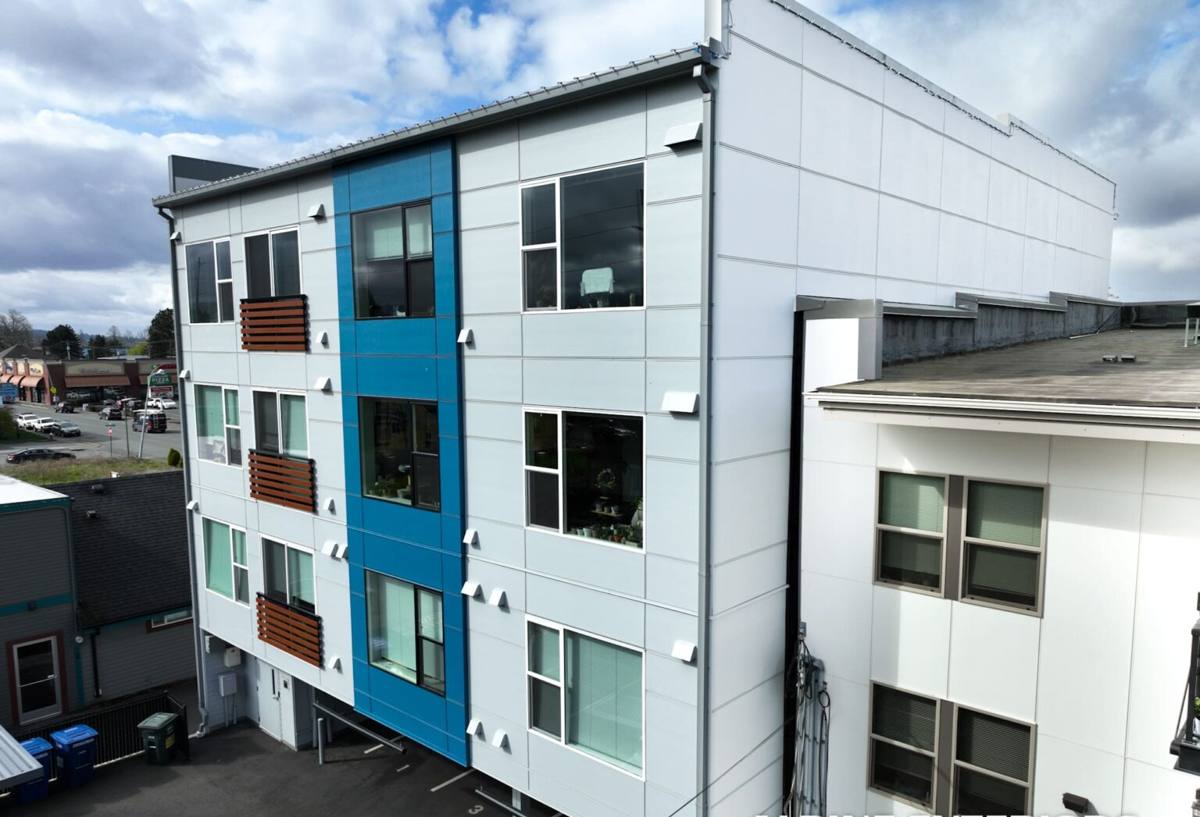
What Salt Air, Driving Rain, and Moss Actually Do to Siding
Salt air
Airborne salt doesn't just sit on the surface — over years it works into fasteners, trim joints, and any exposed wood or metal that isn't rated for a marine-adjacent environment. Standard fasteners can corrode faster near open water than they would a few miles inland. Paint and coatings that aren't formulated to resist salt exposure tend to chalk, fade, and break down sooner than the same product would on a house set back from the shoreline.
Driving rain
Wind off the water pushes rain into seams, laps, and trim edges that a calmer setting would never test. Siding systems that rely on caulk and paint film alone to keep water out — rather than proper flashing, lap geometry, and a drainage plane behind the cladding — are the ones that show staining, swelling, and rot first. On an exposed island lot, those weak points get found quickly.
Moss and algae season
Skagit County's wet season runs long, and shaded, north-facing, or tree-adjacent walls on Guemes Island stay damp for extended stretches. That's exactly the environment moss and algae need. On siding materials that absorb moisture or that develop a rough, porous surface as they age, growth gets a foothold and is hard to fully remove without damaging the finish. The material and the finish both matter here — not just how the wall is built.
Why We Install Only James Hardie Fiber Cement on Guemes Island Homes
We standardized on James Hardie fiber cement siding for every home we work on, and on an island exposure like Guemes it's an easy call to explain. Fiber cement is non-combustible, doesn't swell or rot the way wood-based products can, and holds its shape and finish through repeated wet-dry cycles far better than materials that depend on a surface coating to stay watertight.
James Hardie's ColorPlus factory finish is baked on and warranted separately from the siding itself, which matters in a salt-air environment where field-applied paint tends to break down faster. And Hardie engineers its product lines for regional climate exposure — a coastal Pacific Northwest home has different moisture demands than one in a dry inland climate, and the right HZ product line and installation details account for that instead of treating every install the same.
We don't install vinyl, LP SmartSide, Cemplank, Allura, or primed wood siding. That's a deliberate standard, not a sales pitch — each of those products has real strengths, but on the trade-offs that matter most in this climate (moisture behavior over time, seam and fastener durability, finish longevity, warranty structure), we've decided James Hardie is what we're willing to put our name behind and warranty.
What a Correct Siding Replacement Actually Involves
Replacing siding is not just pulling old material off and nailing new material on. On an exposed island home, the details underneath the siding matter as much as the siding itself.
- Full removal of old siding and inspection of the sheathing underneath for hidden rot, especially at corners, window sills, and lower wall sections where water tends to collect
- Repair or replacement of any damaged sheathing and framing before new material goes up — covering rot with new siding just hides the problem
- A correctly lapped, continuous weather-resistive barrier behind the siding, with all penetrations properly flashed and sealed
- Rigid flashing at windows, doors, and roof-to-wall intersections — not just caulk, which is a maintenance item, not a permanent water seal
- Correct fastener type, spacing, and placement per James Hardie's published installation instructions, which is what keeps the manufacturer's warranty valid
- Proper clearance between the bottom of the siding and grade, decks, patios, and roof lines, so water has somewhere to go instead of wicking into the material
- Factory-finished ColorPlus panels installed with touch-up only where the manufacturer allows, preserving the factory coating's durability
Skip any one of these steps and the siding may look fine for a year or two, then start failing in exactly the ways that exposure to salt air and driving rain tends to expose — at the seams, the fasteners, and the flashing details first.
Our Process for a Guemes Island Project
Assessment
We start with an on-site look at the home's exposure — which walls take the worst of the wind and rain, whether there's existing moss or algae growth, where past water damage shows up, and what condition the sheathing is likely in once the old siding comes off.
Material and product selection
We spec the James Hardie product line, plank profile, and ColorPlus color that fit the home and its exposure, and we plan trim and flashing details around the specific weak points that island homes tend to have — deep window returns, exposed corners, and low clearance areas.
Scheduling around the ferry
Working on Guemes Island means working around the ferry schedule, not against it. We plan material deliveries and crew transport in batches so the job isn't stalled waiting on a next sailing, and we build that logistics time into the project timeline up front rather than discovering it mid-job.
Installation and inspection
Old siding comes off, sheathing gets inspected and repaired as needed, weather barrier and flashing go in, then the new Hardie siding goes up to manufacturer spec. We walk the finished job with the homeowner before we call it done.
What Affects the Cost of a Guemes Island Siding Job
| Cost Factor | Why It Matters Here |
|---|---|
| Home size and wall complexity | More corners, dormers, and trim details mean more cutting, flashing, and labor time |
| Condition of the sheathing underneath | Hidden rot from years of driving rain adds repair scope that isn't visible until old siding is off |
| Ferry logistics | Material transport and crew scheduling around sailings add planning time compared to a mainland job |
| Siding profile and trim package | Lap width, trim style, and accessory pieces affect both material cost and installation time |
| Existing moss or moisture damage | Areas with active growth or staining may need extra cleaning, repair, or drainage correction before new siding goes on |
We give a firm, itemized estimate after the on-site assessment — not a ballpark over the phone — because the sheathing condition and exposure details really do change the scope on a house-by-house basis.
Living With the Siding Afterward: Salt Air and Moss Maintenance
Correctly installed James Hardie siding is low-maintenance, but "low" isn't "none," especially in this setting. A short annual routine keeps it performing the way it's designed to:
- Rinse the exterior once or twice a year, focusing on shaded or north-facing walls where moss and algae are most likely to start
- Keep gutters clear so overflow doesn't run down the siding face repeatedly during heavy rain
- Trim back vegetation and tree limbs that keep a wall section shaded and damp longer than the rest of the house
- Check caulking at trim joints and penetrations yearly — caulk is a maintenance item on any siding system, and salt air and sun both break it down over time
- Watch for any staining or soft spots near the base of the wall, which can signal a clearance or drainage issue worth catching early
None of this is heavy work, but skipping it is how a well-installed siding job ends up looking tired years before it should — particularly on an island exposure that gives moss and salt more time and material to work with than a sheltered inland lot would.
Why Hiring a Crew That Already Works Guemes Island Matters
A contractor who's never worked on the island will price the ferry time and logistics as a surprise, either passed on to you mid-project or absorbed as a reason to rush. A crew that already works Guemes Island builds that into scheduling from day one, knows to batch material deliveries around sailings, and isn't learning on your house how wind and salt exposure change the installation details that matter — flashing, clearances, and fastener choice at the specific spots that take the worst of the weather.
That familiarity doesn't show up as a line item on an estimate, but it shows up in how smoothly the project runs and how the siding performs five and ten years out.
Get a Free, No-Pressure Estimate
If you're planning a siding replacement on Guemes Island, we're happy to come take a look, walk the exterior with you, and give you a straight assessment of what the job actually involves — no pressure, no inflated scope. Fill out the form below and we'll get in touch to schedule a time.