 Burlington
 Deck Replacement Built for Bow's Climate
Bow sits close enough to Samish Bay and the surrounding tidal flats that salt-laden air is a constant factor in how outdoor structures age here. Add Skagit County's long wet season, frequent driving rain off the water, and the shade and moisture that keep moss active for much of the year, and you have a set of conditions that are genuinely hard on a deck. A deck built or installed the way it might be in a drier inland town will not hold up the same way in Bow. Fasteners corrode faster, framing stays damp longer between rain events, and any surface that traps moisture becomes a moss and algae magnet within a season or two.
When we talk about deck replacement in Bow, we're not just talking about swapping old boards for new ones. We're talking about correcting the details that let the old deck fail in the first place, and building the replacement so it holds up under the same conditions that wore out what came before it.
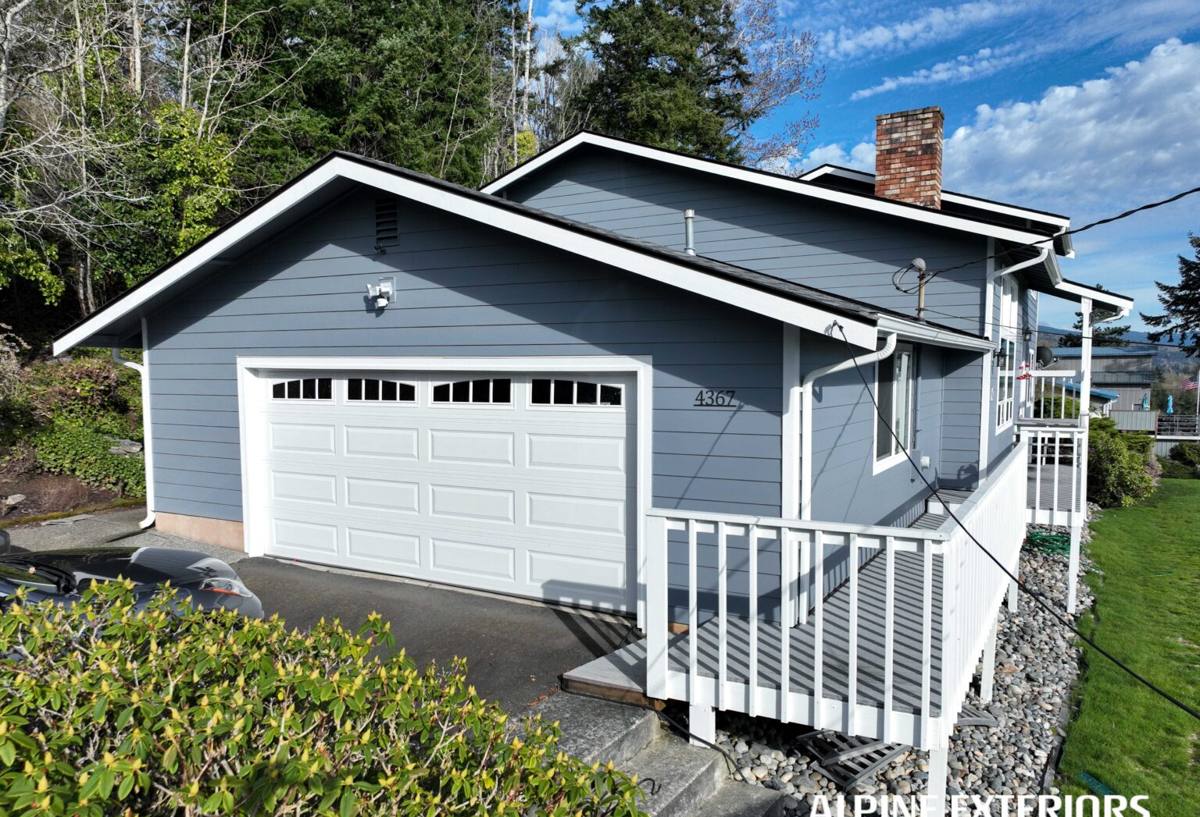
Why Decks in This Area Fail Early
Most of the deck replacements we get called out for in the Bow area share a handful of root causes. Understanding them is the first step in making sure the new deck doesn't repeat the pattern.
Moisture That Never Fully Dries
Decks tucked under tree cover or facing away from direct sun stay damp far longer after a rain event than decks in open, sunny yards. In Bow, where tree cover and marine cloud cover both work against quick drying, that damp period stretches out. Wood framing that stays wet retains moisture in the end grain and at fastener penetrations, which is exactly where rot starts.
Salt Air and Metal Fatigue
Fasteners, joist hangers, and structural connectors that aren't rated for coastal exposure corrode faster near the bay than they would further inland. Once a fastener starts to rust, it loses holding strength long before it's visually obvious, which is part of why some deck failures seem to happen "suddenly" when in reality the hardware had been weakening for years.
Moss and Algae on Walking Surfaces
A long moss season means more than cosmetic green film. Moss and algae hold moisture against the deck surface and make boards slick, which is a real slip hazard on stairs and ramps. Left untreated, that moisture retention accelerates surface wear and, on wood decks, contributes to soft spots and splintering.
Original Construction Shortcuts
A fair number of the older decks we replace in this area were built without proper flashing where the deck ledger meets the house, without adequate joist spacing for the decking material used, or without any real drainage plan underneath. These aren't visible problems until the deck starts failing — and by then the damage is usually deeper than just the surface boards.
What a Correct Deck Replacement Involves
A proper deck replacement in Bow starts below the surface, not with the decking material.
- Ledger flashing: Where the deck attaches to the house, correct flashing keeps water from getting behind the siding and into the wall framing — one of the most common sources of hidden rot on attached decks.
- Corrosion-resistant hardware: Joist hangers, structural screws, and post connectors rated for coastal or high-moisture exposure, not standard interior-grade hardware.
- Proper joist spacing and sizing: Matched to the decking material and expected loads, not just repeating whatever spacing the old deck happened to have.
- Ventilation and drainage underneath: Enough clearance and grading below the deck that water and humid air can actually move through and dry out, rather than sitting stagnant against the framing.
- Footing and post condition: Concrete footings and posts checked for movement, cracking, or rot at the base — problems here undermine everything built on top, no matter how good the decking looks.
- Decking material suited to shade and moisture: Some materials handle Bow's damp, shaded conditions better than others, and that should factor into the material conversation, not just the budget conversation.
Choosing the Right Decking Material for Bow
There's no single "best" decking material for every yard — it depends on how much sun and shade the deck gets, how much upkeep the homeowner wants to do, and budget. Here's how the common options compare under this area's conditions.
| Material | Moss/Algae Resistance | Maintenance | Notes for This Climate |
|---|---|---|---|
| Pressure-treated wood | Low — needs regular cleaning and sealing | Highest — annual cleaning, periodic sealing | Lowest upfront cost, but shaded or damp yards will show moss and graying fastest |
| Cedar | Moderate | Moderate to high — sealing recommended | Natural rot resistance helps, but still needs upkeep in constant damp shade |
| Composite decking | Good — capped composites resist moisture absorption | Low — periodic washing | Performs well in shade and damp conditions common near the bay; higher upfront cost |
| PVC decking | Very good — non-organic surface | Lowest | Best moisture and moss resistance of the group; higher material cost |
We'll walk through these trade-offs honestly during an estimate — the right call often comes down to how much sun the specific deck location gets and how much maintenance the homeowner actually wants to keep up with, not just which material sounds best.
Framing and Fasteners: Where Replacements Actually Go Wrong
It's common for homeowners to focus on the decking surface — the boards you walk on — because that's what's visible. But the framing underneath is what determines whether the deck lasts eight years or twenty-five. In a marine-influenced climate like Bow's, we treat framing hardware as a place worth spending a little more, not a place to cut corners. Standard interior fasteners can start showing corrosion within a few years of coastal exposure; hardware rated for exterior and coastal use costs more upfront but avoids a second failure down the road. The same goes for the ledger connection to the house — this is the single most common point of hidden water damage on attached decks, and it's worth doing right the first time rather than patching later.
Our Deck Replacement Process
1. On-Site Assessment
We look at the existing deck's framing, footings, ledger connection, and any visible rot or moss damage, and talk through what's driving the current deck's problems — moisture, age, original construction quality, or a combination.
2. Material and Design Conversation
Based on sun exposure, shade, and how the deck is used, we talk through decking material options, railing choices, and any layout changes worth considering while everything is already opened up.
3. Demolition and Structural Inspection
Once the old decking and railing are removed, we can properly inspect the framing, ledger, and footings — this is often where we find the real extent of moisture damage that wasn't visible from the surface.
4. Rebuild with Coastal-Grade Details
New or reinforced framing, corrosion-resistant hardware, correct ledger flashing, and proper drainage and airflow underneath, followed by the decking and railing installation.
5. Final Walkthrough
We go over the finished deck together, including any maintenance recommendations specific to the material chosen and the deck's sun/shade exposure.
Why a Crew That Already Works Bow Matters
Deck replacement done right in this area isn't generic carpentry — it's carpentry informed by what actually happens to decks near Samish Bay over time. A crew that regularly works Bow and the surrounding Burlington and Skagit County area has already seen which fastener choices hold up, which ledger details keep water out, and which materials handle the shade and moss patterns typical of local yards. That's not something you get from a general contractor who occasionally builds a deck between other jobs — it comes from repeatedly seeing how decks in this specific climate age, fail, and get fixed properly.
We're not guessing at what "coastal-grade" means for this area. We're applying what we've learned from working on homes with the same salt air, the same driving rain patterns, and the same long moss season your property deals with.
Signs Your Bow Deck May Need Replacement, Not Repair
- Soft, spongy spots in the decking or noticeable give when walking near the ledger or stairs
- Visible rust staining around fasteners or hardware
- Persistent moss or algae that returns quickly after cleaning
- Gaps, cracking, or separation where the deck meets the house
- Wobbling or movement at railing posts or stair stringers
- Visible rot at the base of support posts or around footings
If you're only seeing one or two of these and the framing is otherwise sound, repair may still be an option — but when several of these show up together, it usually means the underlying structure has been compromised long enough that a full replacement is the more honest recommendation.
Get a Straight Answer About Your Deck
If your deck in Bow is showing its age — soft spots, persistent moss, rusting hardware, or just years of exposure to the marine air off the bay — we're happy to take a look and give you a clear, honest assessment of whether it needs replacement or can still be repaired. Reach out for a free, no-pressure estimate using the form below.