 Burlington
 La Conner Sits Right at the Edge of Skagit County's Toughest Weather
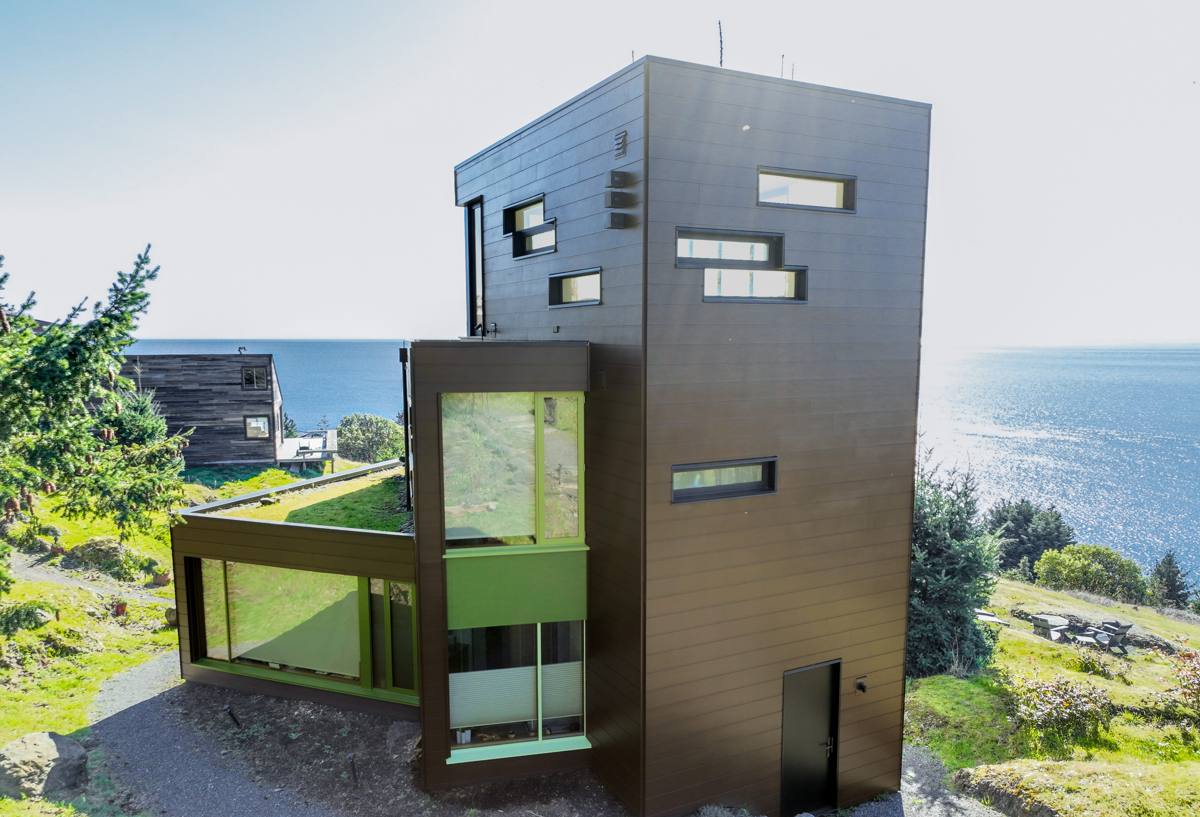
La Conner homes get a different kind of weather exposure than houses set back in the valley. Sitting along the Swinomish Channel, with open water and tidal flats nearby, the area takes a steady dose of salt-laden air, wind-driven rain, and the kind of persistent damp that never fully lets go, even in the summer months. Add in the moss and algae growth that thrives in Skagit County's mild, wet climate, and you've got a set of conditions that will find every weak point in a window system over time — the seals, the frame material, the flashing, all of it.
We work on homes throughout La Conner and the surrounding Burlington area regularly, and the pattern is consistent: windows that were installed without accounting for this specific mix of salt exposure and moisture volume tend to fail years before they should. This page covers what a correctly done custom window job looks like for a La Conner home, and why the details matter more here than they do a few miles inland.
What "Salt Air and Driving Rain" Actually Does to a Window
Corrosion at the Hardware Level
Salt air is hardest on metal. Window hardware — hinges, locks, balance mechanisms, and especially lower-grade fasteners — corrodes faster near the water than it does even a short distance inland. Once corrosion sets in, windows stop operating smoothly, locks bind, and in worse cases the hardware fails outright. This is why hardware and fastener quality matters more for a La Conner install than it would for a comparable home in, say, Sedro-Woolley.
Wind-Driven Rain Finding the Gaps
Rain that comes in sideways during a channel storm behaves differently than a straight-down rain. It gets pushed into gaps around the frame that would stay dry in calmer conditions. If the flashing and sealant details aren't done correctly at install, wind-driven rain will eventually find its way behind the trim and into the wall assembly — and that kind of moisture intrusion can go unnoticed for a long time before it shows up as rot or staining.
Moss, Algae, and Prolonged Dampness
Skagit County's long wet season keeps surfaces damp for extended stretches, which is exactly what moss and algae need to take hold. On windows, that growth tends to collect in frame corners, sills, and anywhere water sits instead of draining. Beyond the appearance issue, trapped moisture under moss growth keeps wood trim and lower-grade frame materials wet longer, which accelerates rot and paint failure.
What a Correct Custom Window Job Involves in This Environment
"Custom" here doesn't just mean non-standard sizes or shapes — though we do plenty of that on older La Conner homes with unusual openings. It means the installation is built around the specific exposure that home actually faces, rather than a one-size-fits-all approach.
- Proper flashing integration with the existing wall assembly, so water is directed out and away rather than trapped behind trim.
- Corrosion-resistant fasteners and hardware suited to salt air exposure, not standard-grade hardware that's fine 20 miles inland but won't hold up on the water.
- Sealant systems rated for constant damp exposure, applied at every joint where water could travel, not just the visible seams.
- Correct sill pitch and drainage so water doesn't pool where moss and rot get their start.
- Frame material matched to the exposure — some materials handle sustained moisture and salt air better than others, and that should be a conversation, not an assumption.
Skipping any one of these doesn't usually cause an immediate problem. It shows up two, three, or five years later as a soft sill, a fogged pane, or a window that won't latch anymore.
Choosing Frame Materials for a Waterfront-Adjacent Home
There's no single "best" window material for every home — it depends on the home's exposure, the trim style, and the homeowner's maintenance preferences. What we can tell you honestly is how common frame materials behave under La Conner's specific conditions.
| Frame Material | Behavior in Salt Air / High Moisture | Maintenance Trade-Off |
|---|---|---|
| Vinyl | Doesn't corrode or rot; handles sustained damp well | Low maintenance, but limited color/finish flexibility over time |
| Fiberglass | Very stable in moisture and temperature swings; strong salt-air resistance | Low maintenance, higher upfront cost than vinyl |
| Wood (unclad) | Attractive but the most vulnerable to sustained moisture and rot near the water | Highest maintenance — regular painting/sealing is non-negotiable here |
| Aluminum-clad wood | Exterior face resists weather well; wood core still needs protection at joints | Moderate — depends heavily on install quality at seams |
Our standard is to talk through this table honestly with every La Conner homeowner rather than push one product. If a homeowner wants a wood-look window, we'll say plainly what that means for upkeep given the site's exposure — that's a maintenance-burden conversation, not a sales pitch either direction.
How We Handle a Custom Window Project
1. On-Site Assessment
We look at existing window condition, wall assembly, current flashing (if any), and how exposed each elevation of the house actually is — a window facing the water takes different abuse than one on a sheltered side.
2. Honest Scoping
We tell you which windows genuinely need replacement now, which are fine for a few more years, and where repair or resealing makes more sense than full replacement. Not every window on a La Conner home needs the same treatment.
3. Correct Installation Detailing
This is where the flashing, sealant, and drainage details from the previous section actually get executed — not just specified on paper.
4. Cleanup and Walkthrough
We walk the finished work with the homeowner, explain what was done and why, and cover basic upkeep specific to a waterfront-adjacent property.
Common Problems We Run Into on La Conner Homes
Some issues show up often enough in this specific area that they're worth naming directly:
- Corroded balance mechanisms or locks on older aluminum-frame windows, common near the water.
- Soft or rotted sills on unclad wood windows that weren't repainted or resealed on a regular schedule.
- Moss buildup in frame corners and sills that's been left long enough to hold moisture against the material.
- Fogged double-pane glass from failed seals, often accelerated by the constant humidity swing.
- Gaps around older flashing details that were adequate when installed but were never built for sustained wind-driven rain.
Cost Factors to Expect
| Factor | Why It Matters in La Conner |
|---|---|
| Frame material | Salt-air-resistant materials often cost more upfront but reduce long-term maintenance |
| Number and exposure of openings | Water-facing elevations may need more detailed flashing work than sheltered sides |
| Existing wall condition | Rot or moisture damage discovered during removal adds scope |
| Custom sizing or shapes | Older La Conner homes often have non-standard openings that require custom units |
| Access and site conditions | Tighter lots or elevated homes near the water can affect labor time |
We give straightforward, itemized estimates so you can see exactly what's driving the number — no vague lump sums.
Why It Matters That We Already Work in La Conner
A crew that mostly works dry, inland job sites can do fine work and still miss something on a La Conner home simply because they haven't seen how fast salt air corrodes standard hardware, or how much wind-driven rain a channel-facing wall actually takes in a winter storm. There's no substitute for having done the work in this specific environment repeatedly. We're a Burlington-based crew, and La Conner is part of our regular service area — not a stretch job we take once a year.
That familiarity shows up in small decisions: which fastener grade we default to, how we detail flashing on a water-facing wall, and which frame materials we steer homeowners toward when they ask for something low-maintenance. None of that is guesswork when it's the same conditions we deal with on the next job down the road.
Simple Upkeep That Extends Window Life Here
- Rinse frames and sills periodically to clear salt residue before it accelerates corrosion.
- Clear moss and debris from sills and corners before it holds moisture against the frame.
- Check caulking and sealant lines yearly, especially after a hard winter storm season.
- Repaint or reseal unclad wood windows on a regular schedule — don't wait for visible peeling.
- Test hardware operation seasonally; binding locks or stiff cranks are often the first sign of corrosion starting.
If you're weighing a window project for a La Conner home — whether it's a full custom replacement or you're just not sure what condition your current windows are really in — we're happy to come take a look. The estimate is free, there's no pressure, and you'll get a straight answer about what your home actually needs.