 Burlington
 Decks Built for Alger's Wooded, Wet Corner of Skagit County
Alger sits in one of the shadier, wetter pockets around Burlington — tucked among tree cover with the kind of humid, low-light conditions that keep decks damp long after the rain has stopped. Add in the salt-laden air that drifts inland off Puget Sound and Samish Bay, and you've got a climate that's genuinely hard on outdoor structures. A deck built here needs more thought than one built on an open, sunny lot in town, and treating it like a standard build is how homeowners end up with green, slick boards and rusted hardware inside a few years.
We build and repair decks throughout the Burlington area, and Alger properties get a specific set of considerations from us every time: drainage, airflow, material selection, and fastener choice all get adjusted for the shade and moisture this area holds onto.
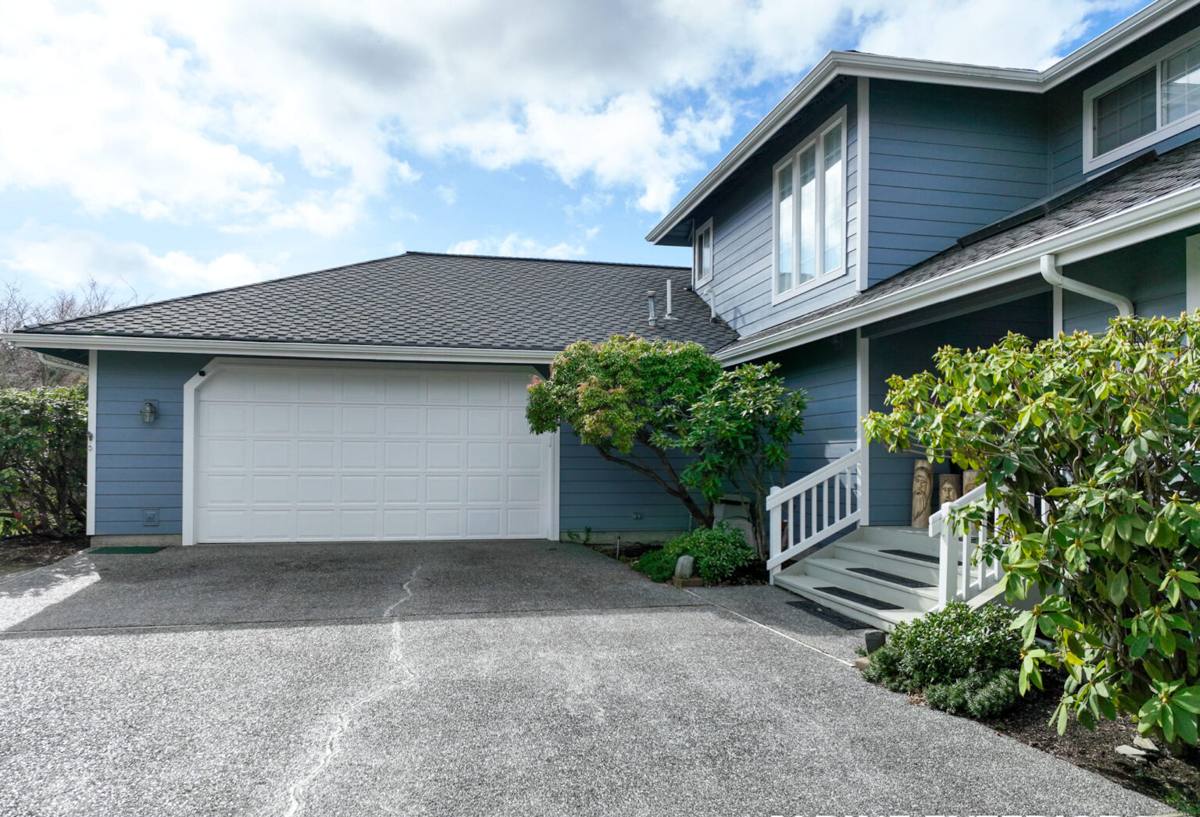
What the Local Climate Actually Does to a Deck
It helps to understand the mechanics of why decks fail here, rather than just being told "moss is bad."
Moss and Algae
Moss needs shade and standing moisture to establish, and wooded lots around Alger provide both in abundance. Once moss takes hold on decking boards, it holds water against the wood or composite surface around the clock, which accelerates rot in real wood and can dull or stain composite surfaces. Moss and the algae that often grows alongside it also make boards genuinely slippery — a safety issue, not just a cosmetic one.
Driving Rain
Western Washington rain rarely falls straight down. Wind-driven rain gets pushed sideways into ledger connections, under railing posts, and into any gap in the flashing. Over time this is what causes hidden rot at the house connection — often the single most expensive kind of deck failure to repair, because it's structural and it's usually invisible until a board or post starts to feel soft.
Salt Air
Being close enough to Puget Sound and Samish Bay means Alger gets some degree of salt-carried moisture in the air, especially during winter storms. Salt accelerates corrosion in fasteners, brackets, and any exposed metal hardware. A deck built with standard interior-grade screws or under-spec brackets will show rust streaks and weakened connections years before one built with the right hardware.
Material Choices That Make Sense for This Lot
There's no single "best" decking material — the right choice depends on how much sun the deck actually gets, how much upkeep the homeowner wants to do, and budget. Here's how the common options hold up specifically in a shaded, high-moisture setting like Alger:
| Material | Moss/Moisture Resistance | Maintenance Needed | Typical Lifespan Here | Relative Cost |
|---|---|---|---|---|
| Pressure-treated wood | Fair — resists rot but not moss growth on the surface | Annual cleaning, re-staining every 2-3 years | 10-15 years with upkeep | $ |
| Cedar | Good natural rot resistance, still grows moss/algae in shade | Cleaning and sealing every 1-2 years | 15-20 years with upkeep | $$ |
| Capped composite | Very good — the cap layer resists staining and moisture absorption | Periodic washing, no staining or sealing | 25-30+ years | $$$ |
| Uncapped composite | Fair — older composite formulations can absorb moisture and stain in constant shade | Regular cleaning to prevent surface mold | 15-20 years | $$ |
For a shaded Alger lot, we usually steer homeowners toward capped composite or cedar with a realistic maintenance plan, rather than the cheapest option on paper. A deck that needs re-staining every year in a hard-to-reach shaded spot often costs more in labor and hassle over time than the upfront savings were worth.
Getting the Structure Right the First Time
Decking material gets all the attention, but the framing underneath is what actually determines whether a deck lasts. In a wet climate, we pay particular attention to a few things that are easy to skip and expensive to fix later:
- Ledger flashing: A properly flashed ledger board keeps water from wicking into the house's rim joist — this is the single most common source of hidden structural rot we find on older decks.
- Joist tape or capping: Sealing the tops of joists before decking goes down keeps water from pooling in fastener holes and starting rot from the inside out.
- Airflow underneath: Decks built low to the ground or against dense landscaping trap moisture with nowhere to go. We build in enough clearance and, where the site allows, grade the ground below to drain away from the house.
- Footings sized for the soil: Skagit County soils vary block to block — some wooded lots hold more moisture in the ground than others, which affects how footings are sized and set.
Fasteners and Hardware
Given the salt air this area sees, we don't treat hardware as an afterthought. Stainless steel or high-grade coated fasteners, hot-dip galvanized structural brackets, and corrosion-resistant hidden fastener systems cost more up front than standard hardware, but they're the difference between a deck that still tightens up fine at year 15 and one with rust-streaked, weakening connections at year 5.
Design Choices for Shade and Moisture
Beyond materials and structure, a few design decisions make an ongoing difference for a property like this:
- Board spacing and orientation that lets water shed and air move underneath rather than pooling
- Railing systems with minimal horizontal surfaces where moss and debris can collect
- Stair and landing placement that avoids the deepest shade pockets where ice and moss are worst in winter
- Overhang or partial cover consideration where a homeowner wants to cut down on standing water on the deck surface
None of these are exotic — they're just decisions we make deliberately based on how the specific lot sits, rather than defaulting to a standard layout.
Our Process, Start to Finish
We keep the process straightforward and try not to waste a homeowner's time with a lot of back-and-forth:
- Site visit: We walk the property, check sun exposure, drainage, existing structure (for replacements), and talk through how the family actually plans to use the space.
- Design and material discussion: We lay out honest options and trade-offs — including maintenance reality, not just sticker price — and settle on a plan that fits the budget.
- Permitting: Most new decks and many replacements in the Burlington/Skagit County area require a building permit, particularly for anything attached to the house or built above a certain height. We handle the permit paperwork and inspections as part of the job.
- Build: Demolition of the old deck if applicable, footings, framing, decking, railings, and finish work.
- Final walkthrough: We go over the finished deck together, and cover basic maintenance specific to the materials used and the site's shade/moisture conditions.
Maintaining a Deck in a Moss-Prone Climate
Even the best-built deck needs some seasonal attention in a climate like this. A simple, realistic routine goes a long way:
- Sweep off leaves, needles, and debris regularly — trapped organic matter is what feeds moss and algae growth
- Wash the deck surface at least once or twice a year with a deck-safe cleaner, more often in heavily shaded areas
- Check and clear any gaps between boards so water and debris aren't collecting and holding moisture
- Inspect railing posts and ledger connections yearly for softness, rust streaks, or gaps in flashing
- Re-stain or reseal wood decking on the schedule appropriate to the wood type — don't wait until it looks obviously weathered
- Trim back overhanging branches where possible to let in more light and airflow
Permits and Local Code Considerations
Deck permitting in unincorporated Skagit County areas like Alger, and within Burlington's jurisdiction for properties closer to city limits, generally comes down to deck height, attachment to the primary structure, and total square footage. Guardrail height and baluster spacing requirements also come up on nearly every project — these are safety-driven and not optional, regardless of how the deck is being used. We confirm which jurisdiction and requirements apply to a specific property before design work starts, so there are no surprises partway through the build.
Why Hire a Crew That Already Works This Area
A contractor who mostly builds on open, sunny lots in town can still build a technically fine deck — but they may not default to the flashing details, hardware upgrades, or material choices that actually matter in a shaded, salt-air-adjacent spot like Alger until something fails and they learn the hard way. We've built and repaired decks across the wooded and coastal-influenced parts of the Burlington area long enough to know which shortcuts cost homeowners money down the road, and we build accordingly from day one rather than treating this climate as an afterthought.
If you're planning a new deck or need to replace one that's showing its age, we're happy to come look at the site and put together a straightforward, honest estimate — no pressure, no obligation. Use the form below to get started.