 Burlington
 Why Window Replacement Works Differently in Conway
Conway sits low, close to the Skagit River delta and the tidal influence of Skagit Bay, in an area that stays damp for most of the year. That combination — salt-tinged air moving in off the water, driving rain that comes in sideways during winter storms, and long stretches of gray, wet weather that keep every north-facing surface shaded and mossy — is hard on windows in ways that drier inland towns never have to deal with. Frames swell and shrink with moisture cycles, hardware corrodes faster near the water, and any gap in the seal around a window becomes an entry point for rot before a homeowner ever sees a stain on the wall.
We're not describing a generic "coastal climate" problem here. Conway's mix of agricultural flatland, river-delta humidity, and proximity to open water means window systems that hold up fine in Burlington proper or further inland in Skagit County can still struggle on a Conway property that catches more wind-driven rain and sits in more persistent dampness. A window replacement here has to account for that from the start — not as an upsell, but as basic correct practice.
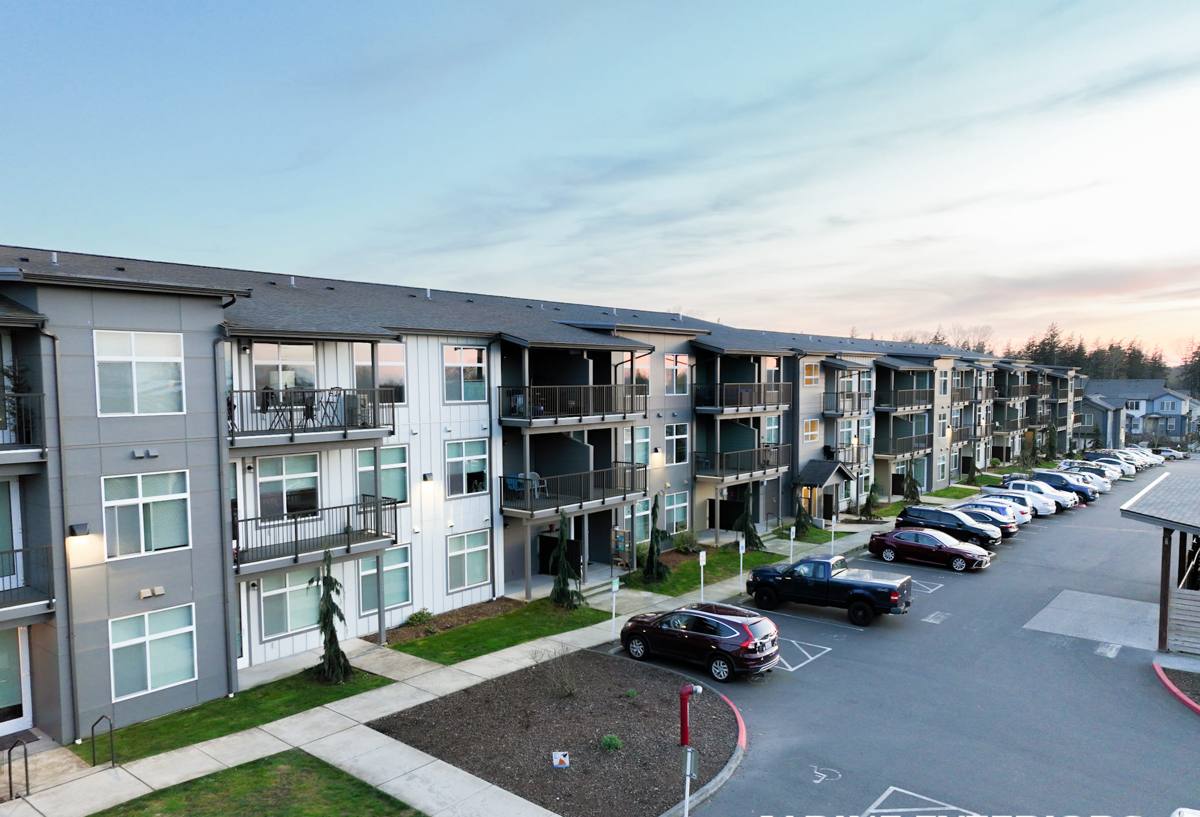
Signs Your Conway Home's Windows Are Ready for Replacement
Most homeowners call us after noticing one or two symptoms, not because they've done a full inspection. Here's what actually tends to show up first on homes in this area:
- Fogging or a permanent haze between panes — the seal on the insulated glass unit has failed and moisture is trapped inside
- Soft or spongy wood at the sill or lower corners of the frame, often hidden under paint that still looks fine
- Visible moss or dark streaking on the exterior trim around the window, a sign that water is sitting rather than shedding
- Windows that are noticeably harder to open and close than they used to be, especially after a wet stretch
- Drafts you can feel by hand near the frame, even with the window latched shut
- Rising heating bills without any other explanation — old, failed seals let conditioned air escape constantly
Any one of these on its own might just mean a repair. Two or more together, especially on an older single-pane or early-generation double-pane window, usually means replacement is the more honest recommendation.
What a Correct Window Replacement Job Actually Involves
The window itself is only part of the job. In a climate that pushes this much moisture at a house, how the installation is done matters as much as what product goes in.
Removal and Opening Inspection
Once the old window is out, we look at the rough opening before anything new goes in. This is where hidden damage from years of small leaks usually turns up — soft sheathing, old rot around the sill, or a moisture barrier that was never installed correctly the first time. It's far cheaper to deal with that now than to seal a new window over a problem that's still there.
Flashing and Water Management
This is the step that separates a window that lasts twenty years from one that leaks again in five. Proper flashing — sill pan, side flashing, and head flashing installed in the right shingled order — directs any water that does get past the exterior cladding back out, instead of letting it pool at the sill or run down into the wall cavity. In a spot like Conway, where driving rain hits the building envelope harder and more often than it does inland, skipping or shortcutting this step is the single most common cause of window failures we get called out to fix.
Insulation and Air Sealing
The gap between the new window frame and the rough opening gets filled with a proper low-expansion foam or insulation, not just caulked around the edges. Done right, this closes off both the air leaks that drive up heating bills and the moisture pathways that let humid air condense inside the wall.
Trim and Finish Work
Exterior trim gets resealed with a product rated for this climate, not a generic caulk that will crack after one winter of freeze-thaw and constant dampness. Interior trim is reset cleanly so there's no gap for indoor humidity to find its way into the wall cavity.
Choosing the Right Window for Salt Air and Moisture
There's no single "best" window material for every home — it depends on budget, the home's age and style, and how exposed the specific wall is to weather. What we won't do is install a product we know performs poorly in this environment just because it's cheaper up front. Here's an honest comparison of the frame materials we most often discuss with Conway homeowners:
| Frame Material | Moisture & Salt Air Performance | Maintenance | Typical Fit |
|---|---|---|---|
| Vinyl | Good — won't rot or corrode, seams are the main watch point | Low | Most homes, best value |
| Fiberglass | Very good — dimensionally stable through moisture and temperature swings | Low | Homes wanting longer lifespan, higher upfront cost |
| Aluminum-clad wood | Good exterior protection, but any breach in the cladding exposes wood underneath | Moderate | Homes wanting a wood interior look |
| Bare wood | Weakest in this climate without diligent upkeep — prone to rot near the water | High | Historic homes prioritizing period-correct appearance |
For most Conway properties, especially anything within clear sight or smell of the water, we steer homeowners toward vinyl or fiberglass for the working parts of the window. Where a wood look matters for a period home, we'll talk through what real upkeep that requires — regular repainting and caulk inspection — so it's a decision made with eyes open, not a surprise five years later.
Glass Package Matters Too
Beyond the frame, the glass package affects comfort and condensation. A double-pane unit with a low-E coating and argon fill is the practical standard for this region — it cuts heat loss and helps limit interior condensation on cold, damp mornings, which is a common complaint we hear from homeowners in low-lying, humid parts of the county.
Our Process for Conway Window Replacement Projects
- On-site assessment. We look at each window individually — sun exposure, wind exposure, current condition — rather than quoting a blanket number for the whole house.
- Straightforward estimate. You get a written breakdown of product, labor, and any anticipated repair work (like rotted sheathing) so there are no surprise add-ons mid-project.
- Scheduling around the weather. Openings are only left uncovered as long as necessary, and we plan around forecasted rain rather than hoping it holds off.
- Removal, inspection, and repair. Any hidden damage found at the rough opening gets addressed before the new window goes in, with photos and an explanation, not just a bill.
- Correct flashing and installation. Sill pans, flashing, insulation, and sealing done in the proper order — the part of the job that doesn't show but matters most.
- Finish work and walkthrough. Interior and exterior trim finished cleanly, and we walk the job with you before calling it done.
Cost Factors for Window Replacement in Conway
Every home is different, so we won't put a single number here that doesn't mean anything without seeing the house. What actually moves the price on a Conway project:
| Factor | Why It Matters |
|---|---|
| Number and size of windows | Sets the base material and labor cost |
| Frame material chosen | Vinyl, fiberglass, and clad-wood carry different price points |
| Condition of the rough opening | Hidden rot or water damage adds repair time before installation |
| Window style | Casement and awning windows generally cost more than single- or double-hung |
| Access and exposure | Second-story or hard-to-reach windows take more labor time |
| Trim and siding tie-in | Matching existing trim profiles or siding can add finish work |
We'd rather walk your specific windows and give you real numbers than throw out a broad range that doesn't hold up once we're actually on-site.
Why Hire a Crew That Already Works in Conway
Skagit County building requirements, the local flood-plain considerations that come with being close to the Skagit River delta, and the practical realities of working around this area's weather windows are all things a crew based in and around Burlington deals with regularly. That matters for two reasons. First, we know which flashing and sealing details actually hold up here versus what's written for a drier, less exposed climate zone. Second, we're not learning the area on your project — we've already seen how homes in this kind of low-lying, water-adjacent setting age, and we install accordingly from the first window.
It also means we're a known, reachable crew if a question comes up two or three years down the road, not a company that did one job in the area and moved on.
Maintenance Checklist for New Windows in a Marine Climate
A correctly installed window still benefits from basic upkeep in an area with this much moss, salt air, and rain. A short annual routine goes a long way:
- Rinse frames and glass periodically to clear salt residue and organic buildup before it holds moisture against the frame
- Check exterior caulk lines each fall for cracking or separation, especially on walls that face prevailing wind and rain
- Clear moss and debris from sills and adjacent trim so water doesn't sit and wick into seams
- Test that weep holes on the exterior track stay clear so water can drain instead of pooling
- Operate each window through its full range a few times a year so hardware doesn't seize from disuse in damp conditions
- Watch for any new fogging between panes, which signals a seal failure worth addressing early
If your Conway home's windows are showing any of these signs, or you're planning ahead rather than reacting to a problem, we're happy to take a look and give you a straight, no-pressure estimate. There's a form below to get that started.