 Burlington
 Conway Roofs Work Harder Than Most
Conway sits in the low delta country between Burlington and Stanwood, close enough to Skagit Bay that salt-tinged marine air rides inland on a regular basis, and surrounded by enough farmland fog and tree cover that roofs here rarely get a full day to dry out between storms. That combination — salt air, driving rain, and a moss season that can run from October through May — puts more demand on a roof system than homes further from the water and tree line ever see. A new roof installed for Conway needs to be built with all three of those stresses in mind from the start, not patched around them later.
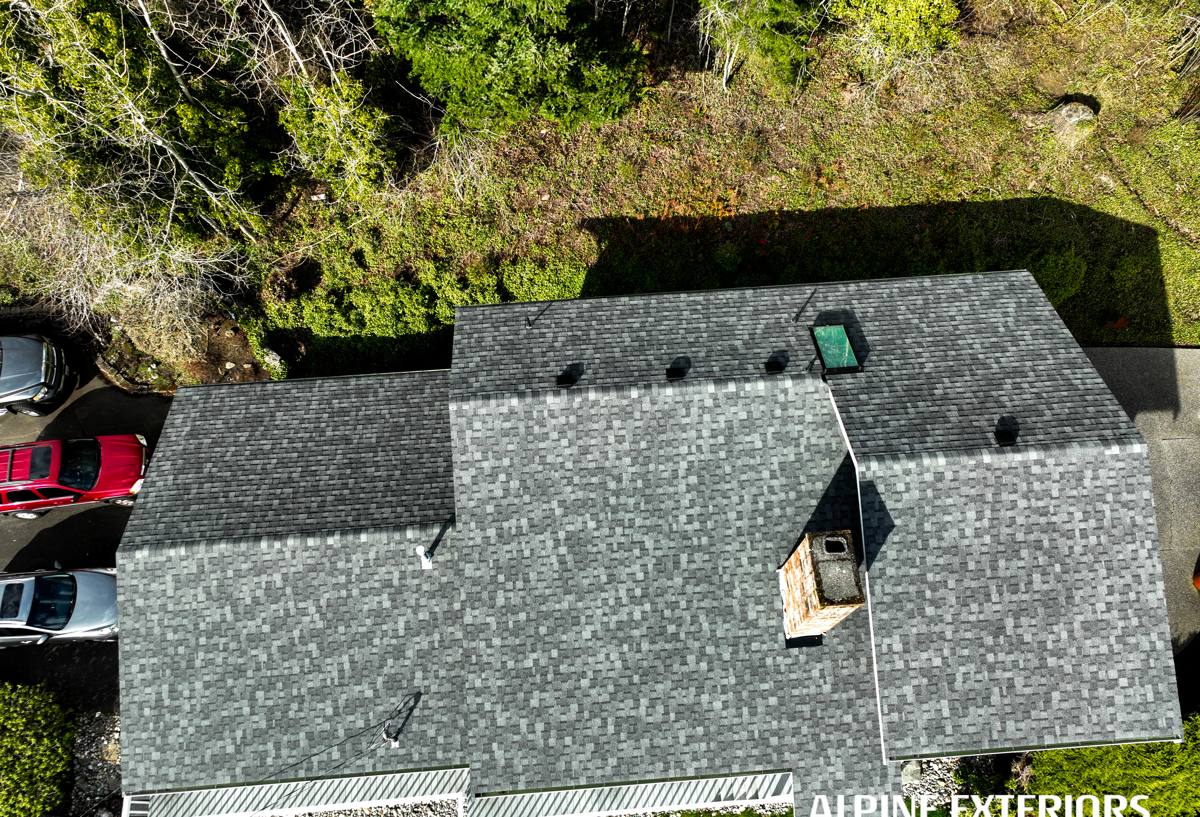
What Salt Air, Wind-Driven Rain, and Moss Actually Do to a Roof
Salt Air and Exposed Metal
Salt-laden air speeds up corrosion on anything metal that isn't rated for coastal exposure — exposed fasteners, cheap flashing, and roof vents in particular. Once a fastener head or flashing seam starts to corrode, it stops sealing the way it should, and that's usually where the first leak shows up, often years before the shingles themselves are worn out.
Driving Rain That Doesn't Fall Straight Down
Storms moving through the Skagit Valley off the Sound often come in at an angle rather than straight overhead, which pushes water sideways and upward into gaps that would never leak in a calmer climate — under shingle tabs, along ridge caps, and into any flashing detail that was installed to a bare minimum standard instead of a coastal one.
Moss and the Long Wet Season
Shaded and north-facing slopes in Conway rarely get enough sun to dry out fully during the wet months. Moss and lichen take hold in the shingle's granule layer, hold moisture directly against the roof deck, and as they grow they physically lever shingle edges apart — which is how a moss problem turns into a leak problem.
Signs a Conway Home Needs a New Roof, Not Another Repair
Not every roof problem in this area calls for full replacement, but there's a point where patching stops making financial sense. Signs worth taking seriously include:
- Heavy moss or dark algae streaking across a large share of the roof, not just one shady corner
- Shingles that are curling, cupping, or losing granules faster than they used to
- Soft or spongy spots underfoot on the roof deck, or sagging visible from the ground
- Daylight visible through the roof boards from inside the attic
- Recurring leaks in different spots each season, rather than one isolated repair
- An asphalt roof that's 20-25+ years old, even if it "looks fine" from the street
- Rusted or failing flashing around chimneys, skylights, and vent pipes
If two or three of these are true at once, a full replacement usually costs less over five years than another round of repairs.
What a Correct New Roof Installation Actually Includes
A roof that's going to hold up in Skagit County's climate is built in layers, and skipping any one of them is where premature failures come from. A proper installation covers:
- Complete tear-off to bare deck — not a layover on top of old shingles
- Deck inspection and replacement of any water-damaged or delaminated sheathing
- Ice-and-water barrier at eaves, valleys, and around every penetration
- A synthetic underlayment rated for extended weather exposure, not builder's felt
- Proper step flashing and counter-flashing at every wall, chimney, and skylight intersection
- Corrosion-resistant fasteners and flashing suited to coastal air, not generic hardware
- Balanced intake and exhaust ventilation, sized to the attic — not just a ridge vent added on its own
- Manufacturer-spec nailing pattern and exposure, which is what actually keeps a shingle warranty valid
Any one of these done wrong doesn't usually show up as a problem in year one — it shows up in year five or eight, which is exactly why it matters to get it right the first time.
Choosing the Right Material for Conway's Climate
There's no single "best" roofing material for every home — it depends on the roof's exposure, the home's style, and the budget. Here's how the common options compare for a property in this area:
| Material | Typical Lifespan | Moss & Algae Resistance | Salt Air Suitability | Best Fit |
|---|---|---|---|---|
| Standard architectural asphalt shingle | 20-30 years | Moderate; benefits from algae-resistant granules | Good with coastal-rated flashing and fasteners | Most homes; strong value |
| Algae-resistant (copper/zinc granule) shingle | 25-30 years | Strong — granules actively resist growth | Good | Shaded, north-facing, or heavily treed lots |
| Standing seam metal | 40-50+ years | Very strong; little surface for moss to grip | Excellent with marine-grade coatings | Homes wanting long-term, low-maintenance roofing |
| Synthetic/composite shingle | 30-50 years | Strong | Good | Homes wanting a wood or slate look with less upkeep |
We don't push one product on every roof. What we won't do is install a roof system without algae-resistant granules or coastal-rated hardware on a Conway property that has any real tree cover or bay exposure — the maintenance burden and callback risk just aren't worth the small upfront savings.
Ventilation: The Part of a New Roof Homeowners Don't See
A new roof lives or dies on what's happening underneath it, not just the shingles on top. Balanced ventilation — intake at the eaves, exhaust at the ridge, sized correctly for the attic's square footage — keeps the underside of the deck closer to outdoor temperature and humidity instead of trapping warm, moist air against it. In a climate as wet as Conway's, that balance does two things: it slows condensation buildup inside the attic, and it keeps the roof deck from staying damp enough, long enough, for moss and rot to get a foothold from underneath. A roof with great shingles but poor ventilation will still age faster than it should.
Our Process for a Conway Roof Replacement
- On-site inspection — we walk the roof and attic, check the deck, flashing, and ventilation, and measure for an accurate material quantity.
- Written estimate — a clear scope and price, with material options laid out honestly, no pressure to decide on the spot.
- Scheduling around the weather — we plan tear-off days around dry windows whenever the forecast allows, and protect the deck if conditions shift mid-job.
- Tear-off and deck repair — old roofing comes off completely, and any soft or damaged decking gets replaced before anything new goes down.
- Installation to spec — underlayment, flashing, shingles or metal, and ventilation installed per manufacturer requirements and code.
- Cleanup — full site cleanup including a magnetic sweep for nails and debris.
- Final walkthrough — we go over the finished roof with the homeowner before calling the job done.
Why a Crew That Already Works Conway Matters
A roofing crew that spends time in Conway regularly knows things a crew driving in from outside the county doesn't have to think about — which slopes hold moss the longest, how quickly a marine push off Skagit Bay can turn a clear morning into a rain delay, and how to plan access on rural lots where a standard driveway setup doesn't apply. That local familiarity shows up in small decisions throughout a job: where to prioritize flashing upgrades, which material makes sense given a specific lot's tree cover, and how to sequence the work so an open roof deck spends as little time exposed to the weather as possible. It's also worth working with a crew that's properly licensed and insured in Washington and can show it without hesitation — that matters on every roof, but especially on a coastal-exposure job where corners cut on flashing or fasteners don't show up as a problem until years later.
Keeping a New Roof Performing in This Climate
A correctly installed roof still benefits from a little upkeep in a climate like this one. Keeping gutters clear so water isn't backing up under the eave edge, having moss treated or gently removed before it spreads rather than after, and getting an occasional look at flashing around chimneys and skylights will all add years of trouble-free performance to a new roof. None of this is a substitute for a properly built roof system in the first place — it's what protects the investment once that system is in place.
If your Conway home's roof is showing its age, or you'd simply like an honest opinion on whether repair or replacement makes more sense, we're happy to take a look. The estimate is free, there's no pressure attached to it, and you'll walk away with a clear, written picture of your options — just fill out the form below to get started.