 Burlington
 Roofing in Conway Comes With Its Own Set of Problems
Conway sits low in the Skagit River delta, close enough to the water that homes here deal with a mix most inland Skagit County roofs don't see in the same combination: salty, moisture-laden air off the estuary, wind-driven rain that doesn't fall straight down, and enough shade and dampness to grow moss on almost anything that sits still long enough. An asphalt shingle roof that would perform fine twenty miles east can struggle here if it wasn't built with these conditions in mind.
This page is about one job, done right, in one place: asphalt shingle roofing on Conway homes. Not a general overview of roofing services — the specific details that matter when your roof sits in this particular stretch of Skagit County.
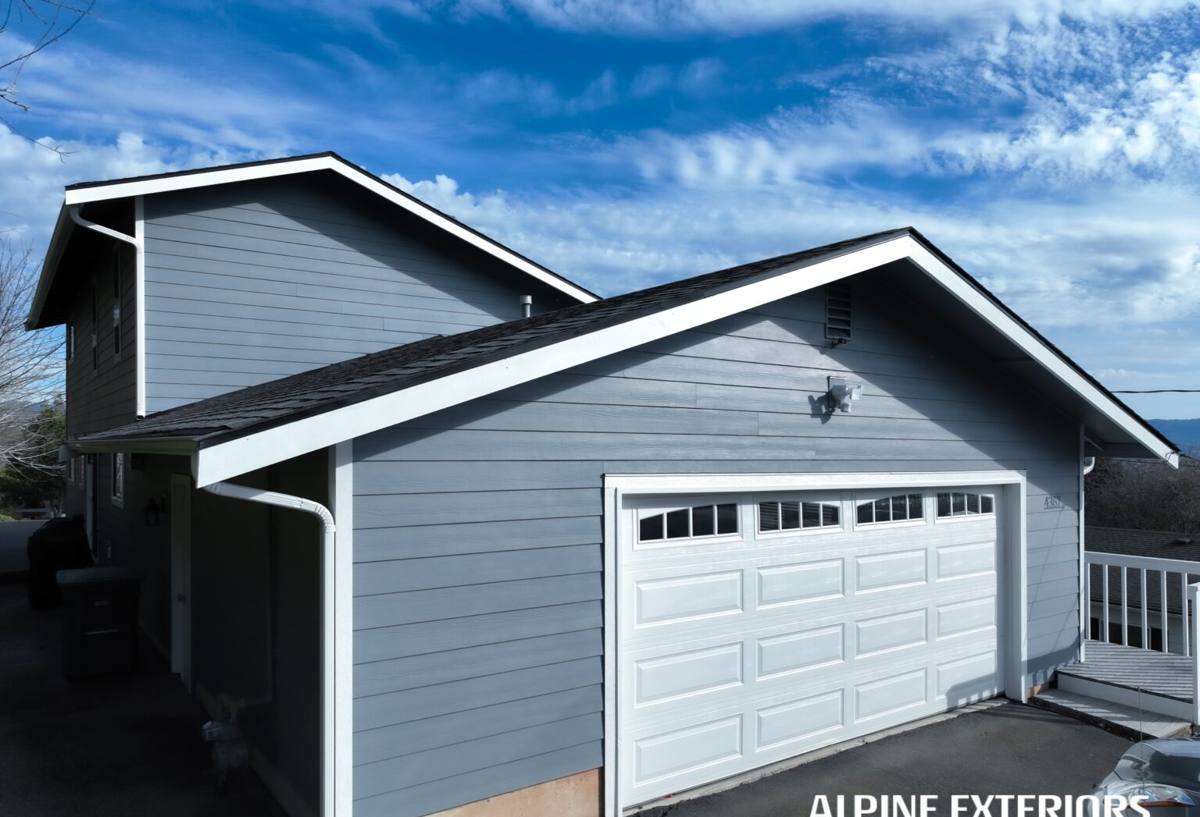
What Conway's Climate Actually Does to a Roof
Salt Air and Metal Fatigue
Homes closer to the tidal flats and sloughs around Conway get a steady, low-level dose of salt-laden moisture in the air. It's not dramatic like a coastal bluff, but it's persistent, and persistent is what matters over 15-20 years. Salt air accelerates corrosion on exposed metal — nails, flashing, vents, and drip edge — faster than it degrades the shingles themselves. A roof can have shingles with plenty of life left and still fail early because the metal components underneath or around them gave out first.
Driving Rain, Not Just Rain
Western Washington gets rain everyone expects. What catches people off guard is wind-driven rain — moisture pushed sideways under shingle tabs, around vents, and up under flashing laps instead of just running downhill. Roofs designed with a straight-down-rain assumption (looser nailing patterns, minimal underlayment overlap, short flashing laps) tend to develop slow leaks at these homes that don't show up until there's already damage to the decking underneath.
Moss Season
Tree cover, shade, and near-constant dampness for months at a time make Conway good moss habitat. Moss isn't just cosmetic — it holds water against the shingle surface, works its root structure under shingle edges and granules, and speeds up granule loss. A roof that isn't detailed to shed water quickly and dry out between storms will grow moss faster than one that is.
What a Correct Asphalt Shingle Installation Looks Like Here
A shingle roof is a system, not a single product. In Conway's climate, every layer of that system needs to account for moisture and wind, not just the shingle brand you pick.
Tear-Off and Decking
We remove old roofing down to the deck rather than layering over it. That lets us actually see the plywood or plank decking underneath and catch soft spots, rot, or old leak damage before it's covered up again. Installing new shingles over a compromised deck just hides the problem for a while — it doesn't fix it.
Underlayment and Ice-and-Water Barrier
A synthetic underlayment across the full roof, with self-adhering ice-and-water barrier at eaves, valleys, and around penetrations, is the difference between a roof that tolerates wind-driven rain and one that doesn't. These are the areas where wind pushes water backward under the shingle line, and they're the first place a corner-cut roof leaks.
Flashing and Metal Work
Given the salt air issue, we pay close attention to flashing quality and detailing — proper step flashing at walls and chimneys, correctly lapped counter-flashing, and drip edge that actually directs water into the gutter instead of behind it. Cheap or poorly formed flashing is usually the first thing to fail on an otherwise sound roof.
Ventilation
Balanced intake and exhaust ventilation keeps the attic dry and close to outside temperature. In a damp climate like this, poor ventilation traps moisture in the attic, which shortens the life of the decking and the underside of the shingles alike — and it's an easy thing to get wrong on a re-roof if the existing vents are just reused without checking whether they were adequate to begin with.
Fastening and Nailing Pattern
Manufacturer-specified nailing patterns matter more in wind-exposed spots than most homeowners realize. Under-nailing or hand-nailing shortcuts show up later as lifted tabs and blow-offs during winter storms — a nailing gun set to the wrong depth can do real damage to a roof's wind resistance without anything looking wrong on install day.
Choosing the Right Shingle for a Conway Home
Most manufacturers, including the major national brands, now offer algae-resistant shingles with copper-infused granules built specifically to slow the growth that causes those dark streaks and moss patches. For a Conway roof, we treat that feature as close to mandatory rather than optional upgrade.
| Shingle Type | Wind Resistance | Moss/Algae Resistance | Typical Lifespan |
|---|---|---|---|
| 3-Tab | Moderate | Low unless treated | 15-20 years |
| Architectural / Dimensional | Good to High | Good with algae-resistant granules | 25-30 years |
| Impact-Resistant Architectural | High | Good with algae-resistant granules | 30+ years |
3-tab shingles are lighter, flatter, and less expensive up front, but they generally carry a lower wind rating and shed moisture less aggressively than dimensional shingles — a real consideration on a roof that sees regular wind-driven rain. Architectural shingles are heavier, have a stepped profile that sheds water and debris better, and hold up longer in Conway's specific mix of wet and windy weather. We'll walk through the honest trade-offs for your roof's exposure, pitch, and budget rather than push one option by default.
Signs a Conway Roof Needs Attention
Because moss and salt-air corrosion both work slowly, many roof problems here are visible well before they become leaks — if you know what to look for.
- Dark streaking or green-black patches on north-facing or shaded slopes
- Visible moss growth, especially along the lower edge or in valleys where water lingers
- Granules collecting in gutters or at downspout outlets
- Rust staining running down from vents, flashing, or nail heads
- Lifted, curling, or cracked shingle tabs, particularly on wind-exposed slopes
- Soft spots, sagging, or discoloration on the underside of the roof deck if visible in the attic
- Daylight visible through the roof boards at the attic level
Any one of these on its own isn't necessarily an emergency, but a roof showing several of them together is usually past the point where a repair alone solves the problem.
What Drives the Cost of a Conway Roofing Project
We won't quote a number without seeing the roof, but the factors that move the price are consistent from job to job. Knowing them ahead of time makes for a more useful conversation when we do come out.
| Factor | Why It Matters |
|---|---|
| Roof pitch and access | Steeper or harder-to-access roofs take longer and require more safety setup |
| Number of existing layers | Full tear-off of multiple layers adds labor and disposal cost |
| Decking condition | Rotted or soft plywood found during tear-off needs replacement before new shingles go on |
| Ventilation upgrades | Adding or correcting intake/exhaust vents affects both material and labor |
| Flashing and metal detail work | Chimneys, skylights, and multiple valleys all add custom flashing time |
| Shingle tier selected | 3-tab, standard architectural, and impact-resistant lines carry different material costs |
The single biggest wildcard on any re-roof is what we find once the old roofing comes off. A straightforward tear-off with sound decking is a predictable job; hidden rot from a long-term slow leak is what turns a routine estimate into a bigger scope of work.
Our Process for a Conway Roofing Project
- On-site inspection of the current roof, attic ventilation, and any visible moisture or moss issues
- A written estimate that spells out shingle options, underlayment and flashing details, and what happens if we find deck damage
- Scheduled tear-off, deck inspection, and any necessary repairs before new materials go down
- Full underlayment, ice-and-water barrier at vulnerable areas, and correctly detailed flashing
- Shingle installation to manufacturer fastening specifications, followed by a final walkthrough with you
We keep the homeowner in the loop at the point where decking issues are found — before we cover anything up — so there are no surprise costs added after the fact.
Why a Crew That Already Works in Conway Makes a Difference
A roofing crew that's already worked homes in this specific stretch of Skagit County has already seen how salt air treats flashing on a five-year-old roof, how moss actually establishes itself on local roof lines, and where wind tends to drive rain on homes with this kind of exposure. That's not something you get from a general roofing background alone — it comes from doing the work here, repeatedly, and paying attention to what holds up and what doesn't. It also means we're not learning your neighborhood's quirks on your dime.
If your roof is showing moss, staining, or you just want an honest read on how much life it has left, we're happy to take a look. Reach out for a free, no-pressure estimate using the form below — we'll give you a straight answer, not a sales pitch.