 Burlington
 Storm Damage Roofs in Clear Lake Take a Different Kind of Beating
Clear Lake sits in a pocket of Skagit County where three things stack on top of each other all winter: wind-driven rain coming off the water, a moss season that runs longer than most homeowners realize, and enough tree cover that branches and needle debris are a constant part of the equation. None of that is unusual for our part of Washington, but together they change how a roof fails and what an honest repair actually needs to fix.
A lot of storm damage repair around here isn't about one dramatic event. It's a wind gust that lifts a few shingle tabs, followed by weeks of rain finding that opening before anyone notices a stain on the ceiling. By the time a homeowner calls, the visible damage is often smaller than the water damage underneath it. That's the gap we're built to close — not just patching what you can see, but checking what the storm actually did to the roof system underneath.
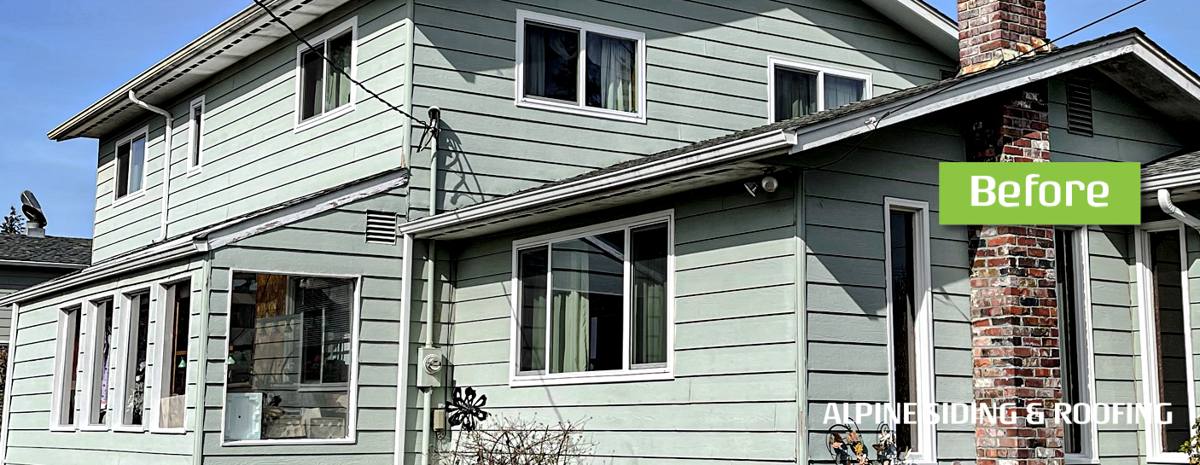
What Counts as Storm Damage on a Clear Lake Roof
Storm damage isn't limited to missing shingles. In this climate, it shows up in a handful of predictable ways:
- Wind-lifted or creased shingle tabs, especially on the roof faces that catch the prevailing weather
- Torn or punctured underlayment where a branch or debris impact broke through the shingle layer
- Flashing pulled loose around chimneys, vent pipes, or skylights after repeated wind loading
- Gutter and downspout damage that redirects water onto siding or fascia instead of away from the house
- Granule loss from hail or wind-driven debris, which shortens the life of the shingle even without a visible hole
- Moss and organic buildup that trapped moisture against the roof deck after a storm, accelerating rot in areas that were already borderline
That last one catches people off guard. A roof that was already carrying a moss load going into a storm is far more likely to show real damage afterward, because the moss holds water against the shingles and deck long after the rain stops. Storm damage and moss damage aren't separate problems here — they compound each other.
What a Correct Storm Damage Repair Actually Involves
Inspection Before Anything Gets Patched
We don't quote a repair from the ground or from a photo. A proper inspection means getting on the roof, checking the deck for soft spots, pulling back shingles around any suspected damage to see the underlayment condition, and checking the attic side if there's any sign water made it through. Storm damage that looks minor from the driveway can be sitting on top of a deck that's already soft from long-term moisture — and that changes the whole scope of the repair.
Emergency Protection, Done Right
If a roof is actively leaking or has an open area exposed to weather, the first job is a proper tarp or dry-in — not a quick tack job that fails in the next windstorm. We anchor tarps to withstand real wind, not just cover a hole until the next rain event undoes it.
Repair That Matches the Existing Roof System
Storm repairs fail early when the replacement materials don't match the surrounding roof — different shingle profile, mismatched underlayment, or flashing details that don't tie into the existing system correctly. We match shingle type and, where possible, color and lot, and we rebuild flashing details rather than caulking over the problem. Caulk is a temporary fix pretending to be a permanent one.
Deck Repair Where It's Needed
If water sat on the deck long enough to soften the plywood or OSB, that section gets replaced — not covered. Shingles installed over a spongy deck will fail again, usually faster than the first time, and the repair won't hold a nail properly to begin with.
Repair vs. Replacement: How We Make the Call
Not every storm-damaged roof needs to be replaced, and not every roof can be responsibly patched. The honest answer depends on the roof's age, how widespread the damage is, and what condition the rest of the roofing system is in.
| Factor | Favors Repair | Favors Replacement |
|---|---|---|
| Roof age | Under roughly 12-15 years, good remaining shingle life | Near or past expected lifespan for the material |
| Damage extent | Isolated to one slope or a small area | Spread across multiple slopes or the whole roof |
| Shingle match | Matching shingles are available | Discontinued profile or heavily faded existing shingles |
| Deck condition | Deck is sound where exposed | Widespread soft spots or rot found during inspection |
| Moss/organic history | Light, well-maintained roof | Long-term moss growth already compromising granules broadly |
| Insurance scope | Adjuster approves targeted repair | Adjuster approves full slope or full roof replacement |
We'll walk you through where your roof lands on that table and why, rather than defaulting to whichever answer is more profitable for us. Sometimes the honest recommendation is a repair that costs a few hundred dollars. We'd rather tell you that than talk you into more roof than you need.
How Our Process Works, Start to Finish
- Call and initial assessment — we ask what happened, when, and what you're seeing (leaks, missing shingles, debris on the ground) to prioritize emergency cases.
- On-roof inspection — a full look at the damage, the deck, flashing, and any related issues the storm may have exposed rather than caused.
- Written scope and estimate — a clear explanation of what's damaged, what needs to happen, and what it costs, with repair and replacement options laid out honestly if both are viable.
- Insurance documentation, if you're filing a claim — photos, notes, and a scope written in terms an adjuster can work with.
- Repair work — matched materials, correctly rebuilt flashing, and deck replacement where needed, not just surface patching.
- Final walkthrough — we show you what was done and why, so you're not left guessing whether the fix will hold through the next storm.
Working With Insurance on a Storm Claim
Most storm damage repairs in Skagit County go through homeowners insurance, and the process goes smoother when the documentation is thorough from the start. We photograph damage before any repair begins, note the likely cause (wind, impact, or long-term moisture), and write our scope in a way that lines up with how adjusters evaluate storm claims. We're not a public adjuster and we don't negotiate your policy for you, but we'll give you a straight, well-documented scope of work you can bring to your carrier — and we'll talk through it with your adjuster if that helps move things along.
Why a Crew That Already Works Clear Lake Matters
Roofing crews who mostly work drier climates tend to under-scope moisture damage, because they're not used to seeing what a full Puget Sound wet season does to a deck over several years. Working Clear Lake and the surrounding Burlington area regularly means we know which roof ages and shingle types in this area tend to show storm damage first, how moss buildup typically progresses on the shade patterns common here, and what flashing details hold up against driving rain versus what looks fine until the first real windstorm. That local pattern recognition is the difference between a repair that gets it right the first time and one that's back on your roof in two years.
Reducing Storm Damage Before It Happens
You can't control the weather, but you can reduce how much damage it does to your roof. A few things make a real difference in this climate:
- Keep moss growth under control — a roof already carrying moss holds moisture longer and is more vulnerable when a storm hits
- Trim back branches that overhang the roof, since falling limbs are one of the most common causes of impact damage here
- Keep gutters clear so storm runoff has somewhere to go instead of backing up under the shingle edge
- Have aging flashing checked before it fails — most flashing leaks show warning signs well before a storm actually breaches them
- Get a post-storm check after any significant wind event, even if nothing looks obviously wrong from the ground
Salt air moving inland off the water accelerates corrosion on metal flashing and fasteners faster than homeowners expect, which is another reason a roof that looked fine last year can develop a weak point exactly where a storm finds it this year.
Getting It Right the First Time
A storm-damaged roof is one of those repairs where cutting corners doesn't save money — it just delays a bigger, more expensive fix. Matching materials, rebuilding flashing properly, and replacing any compromised deck are what separates a repair that lasts from one that's a temporary patch with a new coat of shingles on top.
If your Clear Lake home has storm damage — or you're not sure whether what you're seeing is storm-related or just wear from another wet Skagit County season — we're happy to take a look. The estimate is free, there's no pressure to book anything on the spot, and you'll get a straight answer about what your roof actually needs. Use the form below to get started.