 Burlington
 Roof Repair Built for Clear Lake's Climate
Clear Lake sits in a part of Skagit County where trees crowd close to rooflines, moisture lingers in the air most of the year, and roofs rarely get a real chance to dry out between storms. That combination is hard on shingles, flashing, and fasteners in ways that homeowners further inland or in drier climates simply don't deal with. If you own a home near Clear Lake, chances are you've already noticed moss creeping across the north-facing slopes, water finding its way into a valley or around a chimney, or granules washing into the gutters after every hard rain.
Roof repair here isn't just about patching a leak and moving on. It's about understanding why that leak happened in the first place, and fixing the actual cause so it doesn't come back with the next storm. That's the approach we bring to every Clear Lake roof repair we do.
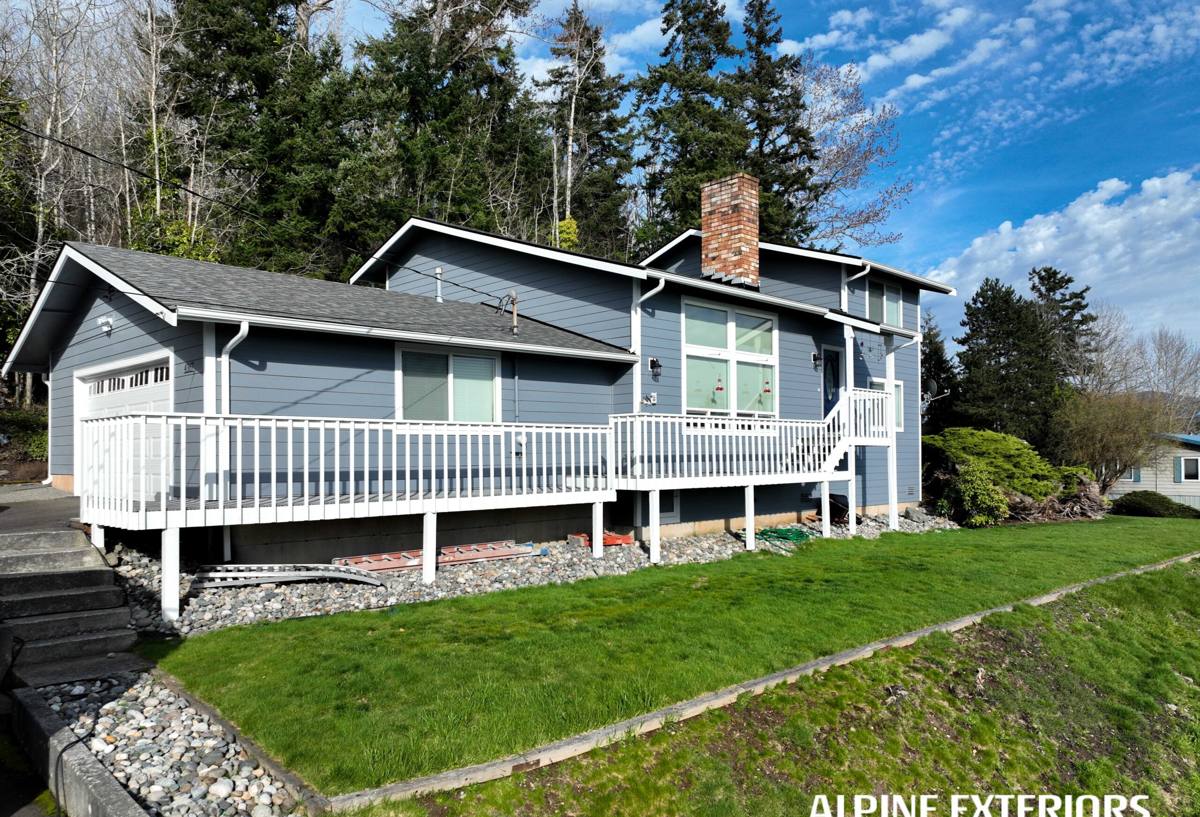
What Makes Clear Lake Roofs Different
Tree Cover and Constant Shade
Homes near Clear Lake and the surrounding wooded lots often sit under heavy tree canopy. That shade keeps roofs cooler and slower to dry after rain, which is exactly the environment moss and algae need to take hold. Needles and leaf debris also collect in valleys, behind chimneys, and around vent pipes, holding moisture against the roofing material long after the rain has stopped.
Driving Rain and Long Wet Stretches
Skagit County gets long stretches of steady, wind-driven rain, not just quick showers. Driving rain finds weak points that a light drizzle never would — lifted shingle tabs, aging flashing, nail pops, and gaps around penetrations. Over time, water pushed sideways by wind can work its way under materials that would otherwise shed a straight-down rain just fine.
Marine-Influenced Air
Even away from open water, the broader Puget Sound weather pattern brings persistent humidity and salt-tinged air across this part of Washington. That moisture-heavy air is part of why metal flashing, fasteners, and gutter hardware corrode faster here than in a dry climate, and why organic growth on roofing material is such a constant, year-round issue rather than a seasonal nuisance.
The Roof Problems We See Most Often Near Clear Lake
- Moss and algae growth on shaded, north- and east-facing slopes, especially under overhanging trees
- Valley leaks where debris builds up and traps water against the roofing material
- Flashing failures around chimneys, skylights, and roof-to-wall transitions
- Clogged or overflowing gutters that push water back up under the roof edge
- Lifted or cracked shingles from wind combined with long-term moss root damage
- Fastener corrosion loosening shingles or metal panels over time
- Ventilation issues that trap moisture in the attic and shorten roof life from the underside
Most of these show up gradually. A homeowner might notice a small stain on a ceiling, a shingle out of place after a windstorm, or moss thick enough to see from the driveway — but the underlying cause is usually something that's been building for a season or two.
What a Correct Repair Actually Involves
A quick patch can stop a drip for a while, but it rarely addresses the reason water got in. A repair done right starts with figuring out where the water is actually entering — which is often several feet away from where the stain shows up inside — and correcting the specific failure, not just covering it.
Diagnosis Before Repair
We look at the whole roof system: the roofing material itself, the flashing details, the underlayment where it's exposed, and how water is meant to move off the roof and away from the house. A leak at a chimney, for example, might actually be a flashing seam failure, a step-flashing gap, or moss holding water against the counter-flashing — each of those needs a different fix.
Matching the Existing Material
Repairs should blend into the surrounding roof, not just cover the problem. That means matching shingle type, color, and exposure as closely as possible, and using flashing details consistent with how the rest of the roof was built. A mismatched patch can actually create a new water path if it's not integrated correctly with the surrounding courses.
Addressing the Cause, Not Just the Symptom
If moss caused the shingle damage, we deal with the moss and the moisture source, not just the shingle. If a clogged valley caused the leak, clearing and protecting that valley matters as much as fixing the visible damage. Skipping this step is the most common reason a "repaired" roof leaks again within a year or two.
Repair or Replace? How to Think About It
Not every roof problem near Clear Lake needs a full replacement, but it's worth understanding when a repair makes sense and when it's just delaying a bigger expense.
| Factor | Repair Usually Makes Sense | Replacement Should Be Considered |
|---|---|---|
| Age of roof | Roof is under 15-20 years old | Roof is near or past its expected service life |
| Extent of damage | Isolated to one area (valley, flashing, a few shingles) | Widespread moss, curling, or granule loss across multiple slopes |
| Underlying deck condition | Sheathing is solid and dry | Soft spots or rot found in the roof deck |
| Repair history | First or second repair in this area | Same spot has already been patched more than once |
| Ventilation | Attic ventilation is adequate | Poor ventilation is contributing to moisture damage throughout |
We'll always tell you honestly which category your roof falls into. If a repair will genuinely hold up, that's what we recommend — there's no reason to sell a Clear Lake homeowner a full replacement when a targeted fix will do the job.
Our Roof Repair Process
- On-site inspection. We walk the roof (weather permitting) and check the interior for signs of moisture, not just the visible exterior damage.
- Honest assessment. We explain what's actually causing the problem, what it will take to fix it, and whether repair or replacement is the right call.
- Debris and moss removal. Valleys, gutters, and affected slopes get cleared before any repair work starts, so we're not sealing moisture in.
- Targeted repair. Flashing, shingles, underlayment, or fasteners are replaced as needed, matched to the surrounding roof.
- Water path check. We confirm water sheds correctly off the repaired area and isn't being redirected somewhere new.
- Follow-up guidance. We'll flag anything else worth watching, like a tree limb that needs trimming back or a gutter section that backs up regularly.
Materials We Use and Why
Material choice matters as much as workmanship. On a Clear Lake roof, we favor products and installation methods that hold up to constant moisture and shaded, slow-drying conditions rather than ones that look good on paper but struggle in this specific climate.
Flashing
Corrosion-resistant flashing metals and properly lapped, sealed seams are non-negotiable here. Cutting corners on flashing is the single most common source of repeat leaks we're called out to fix on other contractors' work.
Shingles and Underlayment
We match shingle repairs to the existing roofing as closely as possible and make sure underlayment is intact and properly lapped wherever it's exposed during a repair, since a good shingle over bad underlayment still leaks.
Sealants
Sealant has its place, but it's a supporting detail, not a substitute for correct flashing and shingle work. A repair that relies mainly on caulk or roofing cement to stop water is a repair that's likely to need doing again.
Maintenance Checklist for Clear Lake Homeowners
Between repairs, a little regular attention goes a long way toward avoiding emergency calls. Here's what we recommend keeping an eye on:
- Clear gutters and downspouts at least twice a year, more often under heavy tree cover
- Look for moss buildup on shaded slopes each fall before the wet season sets in
- Check valleys and roof-to-wall transitions for debris after windstorms
- Trim back tree limbs that overhang the roofline or drag across shingles
- Watch for granules collecting in gutters, a sign of shingle wear
- Check attic insulation and vents for signs of trapped moisture
- Have a professional look at flashing every few years, even if there's no visible leak yet
Why Local Experience Matters
A roof repair crew that mainly works drier, less wooded areas can misjudge what a Clear Lake roof actually needs. Moss that looks cosmetic to an out-of-area contractor might already be lifting shingle tabs underneath. A flashing detail that would hold up fine in a low-moisture climate can fail here within a couple of seasons. Working regularly on homes throughout Burlington and the surrounding Skagit County communities means we've seen how this specific combination of shade, rain, and humidity plays out on roofs over time, and we build our repairs to match those conditions rather than a generic standard.
We also know that a roof repair is rarely convenient. We aim to give straight answers about what's actually wrong, what it will take to fix it correctly, and what you can reasonably put off versus what needs attention now.
If you're dealing with a leak, visible moss, or just want a second opinion on a roof near Clear Lake, we're happy to take a look. Reach out using the form below for a free, no-pressure estimate.