 Burlington
 New Roof Installation Services in Clear Lake
Clear Lake sits close enough to the water and low enough in the Skagit Valley that its homes take a different kind of weather beating than roofs just a few miles inland. A new roof out here isn't just a materials swap — it's a chance to correct whatever the last roof got wrong and build in the details that actually matter for this specific stretch of Washington. We install new roofs for Clear Lake homeowners who are done patching and ready for a system built to hold up to salt air, driving rain, and the long moss season that defines roofing life in this part of Skagit County.
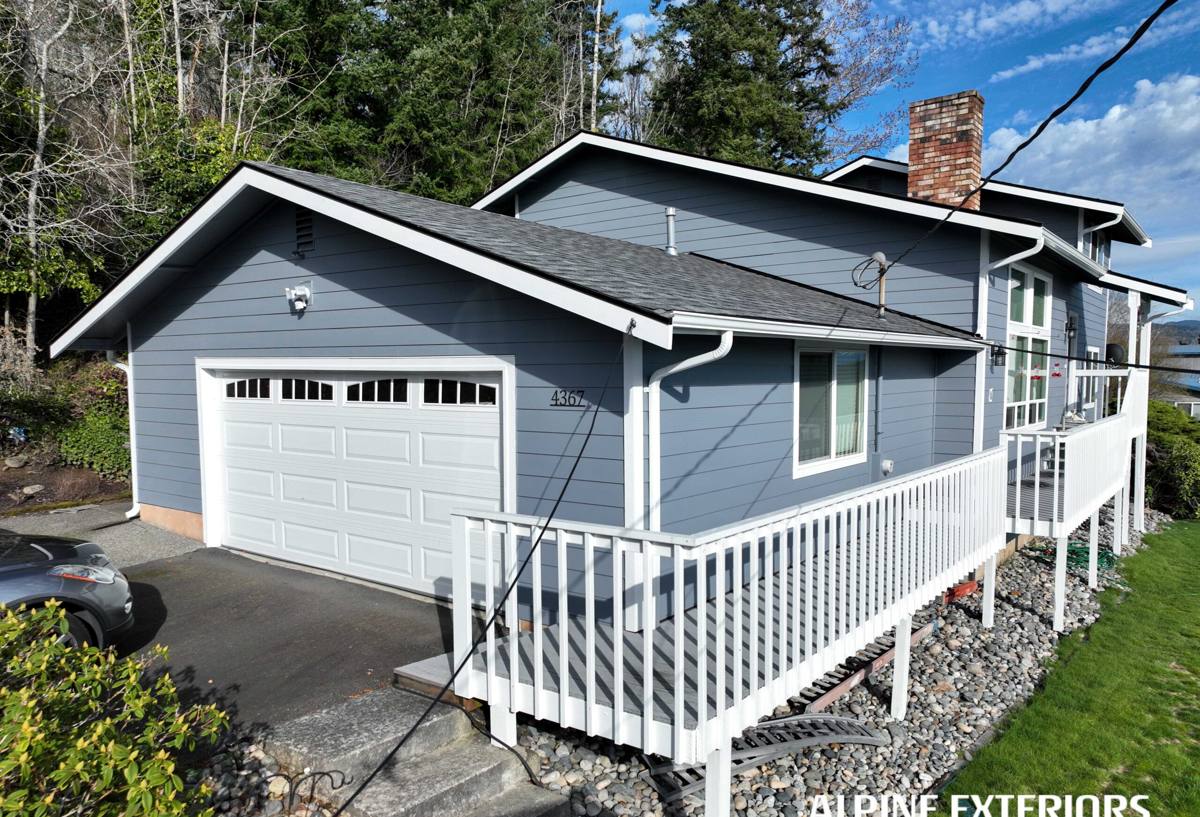
Why Clear Lake Roofs Wear Out the Way They Do
Every roof in Western Washington deals with rain. What makes Clear Lake and the surrounding Burlington area tougher on roofing is the combination of factors working together, not any single one.
Salt Air
Proximity to Puget Sound and Padilla Bay means airborne salt is a real factor here, even a few miles inland. Salt-laden moisture accelerates corrosion on exposed metal fasteners, flashing, and gutter hardware. A roof installed with the wrong-grade fasteners or bare metal flashing will show rust streaks and early failure points years before a properly specified system will.
Driving Rain
Storms here rarely fall straight down. Wind-driven rain off the Sound pushes water sideways into roof valleys, up under shingle tabs, and against any flashing detail that isn't lapped correctly. A roof that would perform fine in a calmer climate can leak here simply because the installer didn't account for wind-driven moisture finding every gap.
Moss Season
Skagit County's wet season stretches long, and shaded, low-slope sections of roof — common on ranch-style and split-level homes around Clear Lake — stay damp for weeks at a time. That's exactly the environment moss needs to take hold. Once moss establishes itself under shingle tabs, it lifts them, holds moisture against the decking, and shortens the life of the roof no matter how good the original materials were.
Signs a Clear Lake Home Needs a New Roof (Not Another Repair)
Not every roof problem calls for full replacement. But there's a point where patching becomes a waste of money. Here's what tells us a roof has crossed that line:
- Granule loss heavy enough that shingles look patchy or bald in sun-exposed areas
- Shingles curling, cracking, or lifting at multiple spots across different roof planes
- Moss growth that returns within a season or two of cleaning
- Soft or spongy spots when walked, indicating decking that's absorbed moisture
- Daylight visible through the attic roof deck, or damp insulation below it
- Flashing around chimneys, vents, or valleys that's rusted, separated, or missing sealant
- A roof already past 20-25 years for asphalt composition, or showing age well ahead of that
- Repeated leak repairs in the same general area of the roof
If a home is only showing one or two of these on an otherwise sound roof, targeted repair is often the honest answer. When several show up together, that's usually the decking and underlayment telling us the whole system needs to come off.
What a Correct Roof Installation Actually Involves
A new roof is more than laying new shingles over what's there. Every layer does a job, and skipping or rushing one is where most premature failures start.
Tear-Off and Deck Inspection
We remove the old roofing down to the decking rather than layering over it. That's the only way to actually see the plywood or plank decking underneath — soft, delaminated, or rotted sections get replaced before anything new goes down. Roofing over damaged decking just hides a problem that will resurface as a sagging or leaking roof later.
Underlayment
Given how much wind-driven rain this area sees, underlayment choice matters more here than in drier climates. We use synthetic or ice-and-water underlayment at the eaves, valleys, and other vulnerable areas to give the roof a second line of defense if wind pushes water past the surface layer.
Flashing
Flashing at chimneys, skylights, sidewalls, and valleys is where most leaks actually originate — not in the open field of shingles. We install new flashing with every roof rather than reusing old pieces, and we use corrosion-resistant metal given the salt air exposure common around Clear Lake.
Ventilation
Proper intake and exhaust ventilation keeps the attic temperature and moisture level balanced. Without it, moisture gets trapped under the roof deck, which accelerates decking rot and can void material warranties. We check existing ventilation on every project and correct it as part of the installation, not as an upsell afterward.
Field Installation
Shingles or panels get installed to manufacturer specification for nail placement, exposure, and pattern — details that affect wind rating and warranty validity. Rushed installations that miss nailing lines are one of the most common causes of shingles lifting in coastal wind events.
Roofing Material Options for Clear Lake Homes
Most Clear Lake homes use asphalt composition shingles, and for good reason — they balance cost, appearance, and performance well for this climate when installed correctly. Metal roofing is a smaller but growing share of what we install, mainly for homeowners planning to stay long-term and wanting to minimize moss and maintenance concerns.
| Material | Typical Lifespan | Moss Resistance | Considerations for This Climate |
|---|---|---|---|
| Asphalt Composition Shingle | 20-30 years | Moderate — benefits from algae-resistant granules | Good value; needs periodic moss/debris maintenance in shaded areas |
| Standing Seam Metal | 40-60 years | High — smooth surface sheds moisture, limits moss anchoring | Higher upfront cost; excellent in driving rain and wind |
| Architectural/Dimensional Shingle | 25-35 years | Moderate to good with algae-resistant options | Heavier profile handles wind-driven rain better than 3-tab |
We don't push one material as universally "best" — the right choice depends on how long a homeowner plans to stay, budget, and how much shade the roof sits under. What we do insist on is algae-resistant shingle options for any shaded roof plane, given how reliably moss establishes itself in this area otherwise.
Our Installation Process
- On-site assessment: We walk the roof, check the attic from inside where accessible, and evaluate decking, ventilation, and flashing condition — not just the shingle surface.
- Written estimate: A clear scope of work and price, with material options explained so the homeowner understands the trade-offs, not just a number.
- Scheduling around weather: Given how much of the year Skagit County sees active rain, we plan installation windows carefully and stage materials to minimize how long the deck is exposed.
- Tear-off and deck repair: Old roofing comes off, decking gets inspected and repaired as needed before anything new is installed.
- Underlayment, flashing, and ventilation correction: The layers that actually stop leaks go in before the visible roofing does.
- Field installation: Shingles or panels installed to spec, with attention to nailing pattern and exposure for wind performance.
- Final walkthrough: We review the completed roof with the homeowner and clean the site thoroughly, including magnetic sweep for stray nails.
Cost Factors for a Clear Lake Roof Replacement
Every roof prices differently based on size, pitch, and condition of what's underneath, so we won't quote a number without seeing the roof. What we can tell you is what actually moves the price:
| Factor | Why It Affects Cost |
|---|---|
| Roof size and number of planes | More square footage and complexity means more material and labor time |
| Pitch and access | Steeper or harder-to-access roofs require more safety setup and slower work |
| Decking condition | Rotted or soft decking sections need replacement before new roofing goes on |
| Material choice | Asphalt, architectural shingle, and metal carry different material costs |
| Number of penetrations | Chimneys, skylights, and vents each need individual flashing work |
| Existing layers | Removing multiple old layers of roofing adds tear-off time |
Why Hiring a Crew That Already Works Clear Lake Matters
A roofer who mostly works drier, inland climates can still install a technically fine roof — but they're less likely to think about salt-air fastener corrosion, or to automatically upsize underlayment at the eaves for wind-driven rain, or to flag a shaded north-facing plane as a moss risk before it becomes a problem. Those aren't exotic details; they're just the things that come from actually working roofs in this specific part of Skagit County season after season.
We also know the practical side of working here: how to schedule tear-off around the wetter stretches of the year so a deck isn't sitting exposed longer than it should, and which material upgrades are genuinely worth it for a home near the water versus which ones are unnecessary cost. That local familiarity shows up less in any single decision and more in the accumulation of small, correct calls across the whole project.
Maintaining a New Roof in This Climate
A correctly installed roof still benefits from basic upkeep given the moss and moisture load in this area. We recommend:
- Annual or biannual clearing of moss, needles, and debris from valleys and shaded planes
- Keeping overhanging branches trimmed back to reduce shade and debris buildup
- Checking and clearing gutters so water doesn't back up under the roof edge
- A visual check of flashing and roof penetrations after major wind events
- Addressing small leaks or lifted shingles promptly rather than waiting for a bigger repair
None of this replaces a good installation, but it extends the life of one considerably in a climate that doesn't give a roof much of a break.
If your Clear Lake roof is showing its age or you just want an honest opinion on where it stands, we're glad to take a look. Use the form below to request a free, no-pressure estimate.