 Burlington
 Window Replacement Built for Bow's Coastal-Valley Climate
Bow sits in that in-between zone west of Burlington where Skagit Valley farmland meets the salt air rolling off Samish Bay and the wider Puget Sound. That combination is hard on windows in ways that a lot of standard installation work doesn't account for. You're dealing with salt-laden moisture in the air, long stretches of driving rain off the water, and a moss and mildew season that can stretch from fall through spring. Windows here don't just need to look good — they need hardware, sealants, and flashing details that can shrug off corrosion and constant dampness year after year.
When we replace windows in Bow, we're not just swapping old glass for new. We're addressing the specific ways this microclimate attacks a window assembly: salt air pitting metal hardware and finishes, wind-driven rain finding its way past weak flashing, and organic growth taking hold anywhere moisture gets trapped instead of shed.
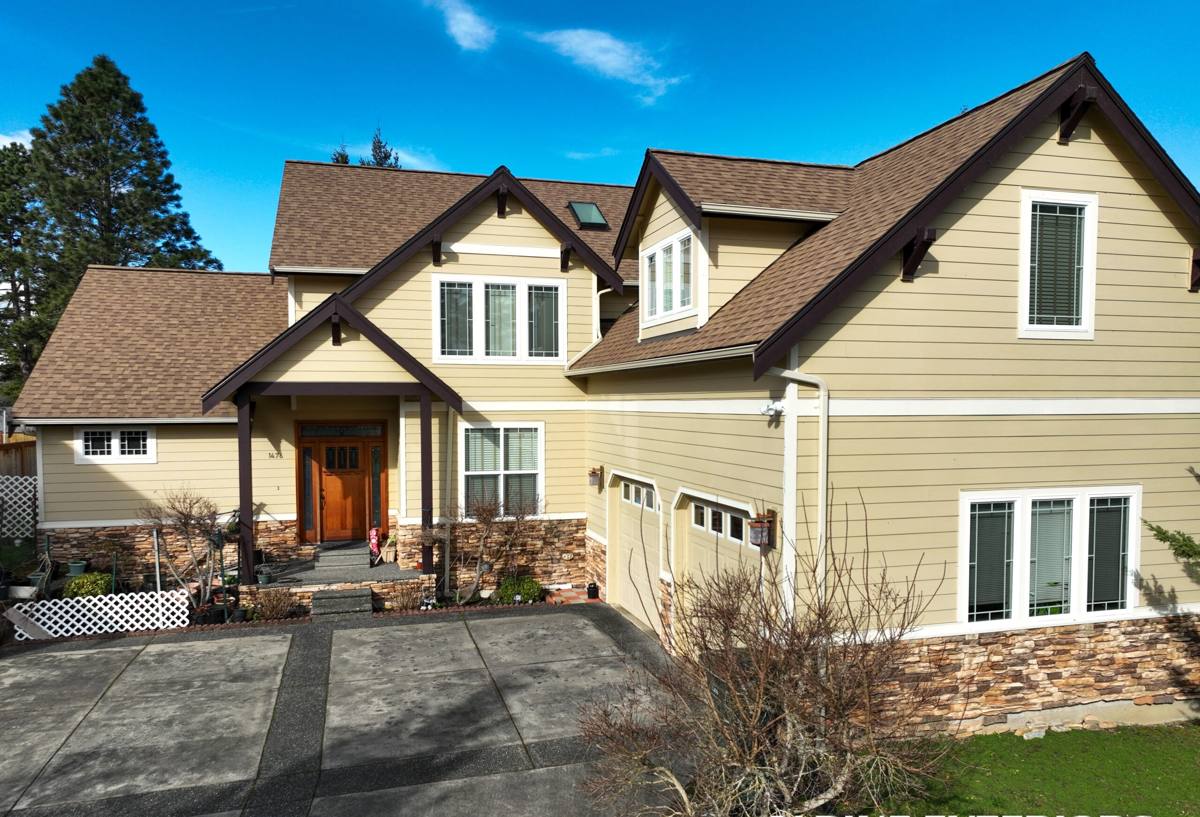
Signs a Bow Home's Windows Need Attention
Most homeowners don't think about window replacement until something is obviously wrong, but by then the damage often extends past the window itself. Watch for:
- Fogging or a permanent haze between panes — the seal on the insulated glass unit has failed and moist air has gotten inside
- Soft or discolored trim and sill wood, especially on walls that face prevailing weather
- Windows that stick, won't stay open, or no longer latch tightly
- Visible corrosion or chalky white residue on aluminum or steel hardware — a telltale sign of salt exposure
- Moss, algae, or black staining building up on the sill or lower frame that keeps coming back after cleaning
- A noticeable draft or cold spot near the frame during windy, rainy weather
- Paint or finish that's bubbling, peeling, or breaking down faster than it should
Any one of these can be a minor fix. Several together usually mean the window and the wall assembly around it have been taking on moisture for a while, and replacement is the more honest answer than another round of caulk and paint.
What a Correct Window Replacement Actually Involves
It Starts Below the Surface
The window itself is only part of the job. The bigger factor in how long a replacement lasts is what happens at the rough opening — the flashing, the water-resistive barrier, and how the new unit ties into the wall assembly. In a climate that gets sustained, wind-driven rain off the bay, a window that's beautiful but poorly flashed will leak within a few seasons. We treat every opening as a water-management problem first and a product-installation job second.
Our Approach at Each Opening
- Remove the old unit and inspect the framing, sheathing, and sill for hidden rot or prior water intrusion before anything new goes in
- Repair or replace any compromised framing — never install a new window over damaged wood
- Install flashing tape and pan flashing at the sill so any water that gets behind the siding is directed back out, not into the wall cavity
- Integrate the window flange properly with the existing weather-resistive barrier, lapped correctly so water sheds downward and outward
- Shim and square the unit so it operates smoothly and seals evenly on all four sides
- Seal and caulk with products rated for marine and coastal exposure, not standard interior-grade sealants
- Finish trim and touch-up work so the exterior sheds water the same way the original design intended
Choosing Materials That Hold Up Near Salt Air
Not every window product performs the same way in a marine-influenced climate. Frame material affects how well a window resists corrosion, moisture absorption, and the freeze-thaw and wet-dry cycling common in Skagit County winters.
| Frame Material | How It Handles Salt Air & Rain | Maintenance Burden |
|---|---|---|
| Vinyl | Resists corrosion completely; won't rot; performs well in most Bow settings | Low — occasional cleaning |
| Fiberglass | Very stable in temperature swings and moisture; strong seal retention over time | Low — durable finish, minimal upkeep |
| Wood-clad | Attractive, but exposed wood or damaged cladding is vulnerable to rot in constant damp conditions | Higher — finish and joints need monitoring |
| Aluminum | Prone to pitting and corrosion in salt-influenced air unless marine-grade and properly finished | Moderate to high near the coast |
We steer most Bow homeowners toward vinyl or fiberglass for this reason — not because other materials are bad products, but because our professional standard is to match the frame material to what this specific climate does to it over 15-20 years. Wood-clad windows can still be the right call for a homeowner who wants that look and is willing to stay on top of finish maintenance; we'll tell you honestly what that upkeep looks like before you decide.
Hardware matters just as much as frame material. Look for stainless steel or corrosion-resistant coated hardware on locks, hinges, and cranks — standard-grade hardware is often the first thing to fail in salt air, long before the glass or frame shows any wear.
How the Project Works, Start to Finish
- On-site assessment — we walk the exterior and interior of each window opening, checking for existing damage, drafts, and how each wall faces prevailing wind and rain
- Straightforward estimate — you get a clear breakdown of product options, labor, and any framing repair we expect to encounter
- Scheduling around the weather — we plan install days to minimize how long any opening sits without weather protection
- Removal and inspection — old units come out, and we address anything we find in the framing before installing new windows
- Installation with full flashing and sealing detail — done to the standard described above, not shortcuts
- Walkthrough and operation check — every window opens, closes, and locks the way it should before we call the job done
- Cleanup — old materials and debris hauled off, work area left clean
What Affects Cost for a Bow Window Replacement
Every home is different, so we don't quote sight-unseen prices, but these are the main factors that move a project's cost up or down:
| Factor | Why It Matters |
|---|---|
| Number and size of openings | More or larger windows means more material and labor |
| Frame material chosen | Vinyl is typically the most budget-friendly; fiberglass and wood-clad cost more upfront |
| Condition of the existing framing | Hidden rot or water damage adds repair time before installation can begin |
| Window style | Simple sliders and single-hungs install faster than casements, bays, or custom shapes |
| Access and site conditions | Second-story or hard-to-reach openings take more time and equipment |
| Trim and finish work | Matching existing exterior trim or upgrading it adds to the scope |
As a general guide, most single-window replacements land in the low-to-mid thousands depending on size and material, with whole-home projects scaling from there. We'll walk through exact numbers once we've seen your windows in person.
Timing the Job Around Skagit County Weather
Bow's wet season runs long, and moss doesn't take a break just because it's inconvenient for a construction schedule. We plan window replacement work to keep each opening exposed for the shortest possible window of time, and we watch the forecast closely rather than pushing through a storm system. If your project needs to happen during the wetter months, that's manageable — it just takes more careful sequencing than a summer install, and we'll explain that plan upfront rather than surprising you with delays.
Why a Crew That Already Works in Bow Matters
A window installer who mostly works drier inland areas can do fine work and still miss the details that matter here — the flashing sequence that accounts for sustained wind-driven rain, the hardware grade that won't corrode near the bay, the trim details that keep moss and algae from taking hold on north-facing walls. Working regularly in Bow and the surrounding Burlington and Skagit County area means we've seen how these specific conditions play out on real homes over time, and we build that into every estimate and every install — not as an upsell, but because it's what actually holds up out here.
Simple Upkeep That Extends the Life of New Windows
New windows installed correctly need very little — but a few habits go a long way in this climate:
- Rinse sills and tracks periodically to keep salt residue and organic buildup from accumulating
- Check weep holes on the exterior to make sure they're clear and draining properly
- Inspect exterior caulking once a year, especially after a hard winter, and touch up if it's cracking
- Keep gutters and downspouts clear so runoff isn't sheeting directly across window openings
- Operate hardware a few times through the year so locks and cranks don't seize up from disuse
If you're noticing drafts, fogged glass, or moisture issues on a Bow property, we're happy to take a look and give you a straightforward, no-pressure estimate — just fill out the form below and we'll get in touch.