 Burlington
 Deck Repair Built for Blanchard's Weather, Not Just Blanchard's Decks
Blanchard sits close enough to the water and open farmland that decks here take a different kind of beating than decks twenty miles inland. Homes in this part of Skagit County deal with salt-laden air drifting off the Sound, driving rain that comes in sideways during fall and winter storms, and a moss season that can stretch from October well into April. A deck repair that doesn't account for all three of those factors tends to fail again within a couple of years. Ours are built to hold up to what Blanchard actually throws at them.
We're not talking about cosmetic touch-ups. A proper repair means understanding why the deck failed in the first place — moisture trapped under a ledger board, fasteners corroding from salt exposure, or moss holding water against boards long enough to start rot — and fixing that root cause, not just the symptom on top of it.
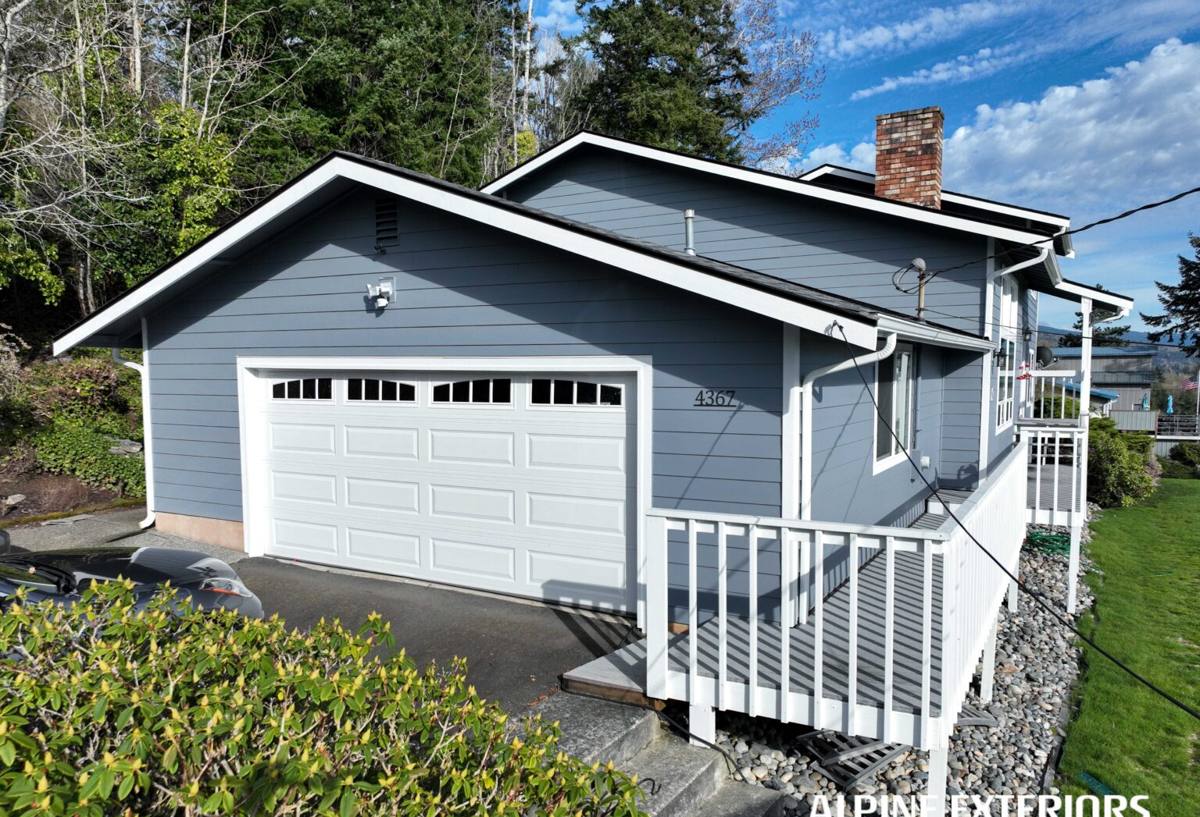
Why Blanchard's Climate Is Harder on Decks Than People Expect
Salt Air and Metal Fatigue
Properties closer to Samish Bay and the surrounding tidal flats get measurable salt drift in the air, especially during winter storms with onshore wind. Salt accelerates corrosion on fasteners, joist hangers, and any exposed metal hardware. A deck that looks structurally sound on the surface can have badly rusted hangers or nails underneath the decking, and that's where real failures start — not in the boards themselves, but in what's holding them together.
Driving Rain and Water Intrusion
Rain that falls straight down is manageable. Rain that comes in at an angle, which is common with the weather systems that move through this part of Washington, gets pushed under railings, behind ledger boards, and into any gap in flashing or trim. Over time this is what causes ledger board rot at the house connection — one of the most serious and most common deck problems we find in this area.
Moss Season
Shaded decks, north-facing decks, and decks under tree cover hold moisture longer here than almost anywhere else in the state. Moss doesn't just look bad — it holds water against the wood surface continuously, which softens fibers and accelerates decay in exactly the spots where boards get walked on the least and inspected the least.
What a Correct Deck Repair Actually Involves
A repair done right starts with an honest structural assessment, not a quote based on what's visible from the yard. We check the parts of a deck that fail first and get noticed last:
- Ledger board attachment to the house, including flashing condition behind it
- Joist hangers and fasteners for rust, corrosion, or pull-through
- Support posts at grade level, where ground moisture and moss buildup do the most damage
- Railing posts and connections, since these carry real load and see the most weather exposure
- Decking boards themselves for soft spots, cupping, or moss staining
- Stair stringers, which take constant flex and are easy to overlook
Once we know what's actually going on structurally, we can tell you honestly whether you're looking at a targeted repair or whether enough of the frame is compromised that a partial rebuild makes more sense. We'd rather tell you that up front than patch something that's going to need the same fix again in two winters.
Our Process for Blanchard Deck Repairs
1. On-Site Assessment
We walk the deck, check underneath it where possible, and look specifically for the failure patterns common to this area — corroded hardware, ledger rot, and moss-driven decay in shaded sections. We'll show you what we find and explain what it means in plain terms.
2. Honest Scope and Written Estimate
You get a clear breakdown of what needs to be replaced versus what's still sound. We don't pad a repair with unnecessary work, and we don't downplay a problem to win the job cheap. Both approaches cost homeowners more down the line.
3. The Repair Itself
Depending on scope, this can mean replacing rotted ledger boards with proper flashing, swapping corroded hardware for coated or stainless fasteners rated for coastal exposure, sistering or replacing damaged joists, or resetting posts that have shifted at grade. We match materials to what the deck can realistically handle long-term in this climate, not just what's cheapest to install today.
4. Final Walkthrough
Before we consider a job done, we walk it with you, point out what was repaired, and flag any maintenance items — like a section that stays shaded and will need more frequent moss treatment — so you're not caught off guard later.
Repair vs. Replace: How We Help You Decide
Not every deck problem needs a full rebuild, and not every deck is worth saving as-is. The table below covers the factors that usually decide which direction makes sense.
| Factor | Leans Toward Repair | Leans Toward Rebuild |
|---|---|---|
| Ledger board condition | Isolated rot, house framing sound | Widespread rot, structural framing affected |
| Support posts | Solid, minor surface wear | Soft at grade, visibly shifted or leaning |
| Decking boards | A few soft or cupped boards | Majority of boards failing or moss-stained through |
| Hardware/fasteners | Light surface rust | Heavy corrosion, hangers pulling from wood |
| Age of original build | Under 10-12 years | Older, especially with unknown build quality |
Most decks we look at in Blanchard fall somewhere in the middle — sound framing with a few specific problem areas. That's the ideal case for a repair that actually extends the deck's life rather than just delaying a bigger job.
Materials That Hold Up Locally
When we replace boards, hardware, or framing, we choose materials with this climate in mind rather than defaulting to whatever's standard elsewhere. That generally means hot-dip galvanized or stainless fasteners near the water, proper flashing tape at every ledger connection, and pressure-treated framing lumber rated for ground contact where posts meet grade. For visible decking, we'll talk through the tradeoffs between wood and composite honestly — wood needs more upkeep against moss and graying but is easier to spot-repair board by board, while composite resists moss staining better but any structural work underneath still needs the same careful attention to moisture and hardware.
Signs Your Blanchard Deck Needs a Repair Assessment
- Boards that feel spongy or flex noticeably underfoot
- Persistent moss or dark staining that keeps returning after cleaning
- Gaps or staining where the deck meets the house siding
- Rust streaks running down from fasteners or hardware
- Railings that feel loose or wobble when leaned on
- Visible gaps or separation at stair stringer connections
- A noticeable slope or dip that wasn't there when the deck was newer
Why It Matters That We Already Work in Blanchard
A crew that only sees a handful of decks in this specific area a year is guessing at what causes local failures. We're not guessing — we know that shaded decks in Blanchard hold moss longer than open, sun-exposed decks in Burlington proper, and we know that homes closer to the water need hardware upgrades that homes further inland might not. That's the kind of judgment call that only comes from doing this work repeatedly in the same conditions, and it's the difference between a repair that lasts and one that's a temporary fix.
We also know how the region's weather patterns line up with the calendar. Repairs done before the wet season sets in fully have a much better chance of curing and sealing properly than work rushed through during a stretch of driving rain. Timing matters as much as materials do.
Maintenance That Extends the Life of a Repair
A repair is only as good as what happens to the deck afterward. A few habits make a real difference in Skagit County's climate:
- Clean moss and organic debris off boards and in gaps at least once before winter and once in spring
- Keep gutters and downspouts clear so runoff isn't dumping extra water onto or near the deck
- Check railing connections annually for looseness before it becomes a safety issue
- Reseal or refinish wood decking on the schedule the product actually calls for, not just when it looks faded
- Address small soft spots or discoloration early — they're far cheaper to fix than the rot they turn into
Get an Honest Look at Your Deck
If your deck in Blanchard has soft boards, persistent moss, rusting hardware, or just feels less solid than it used to, it's worth having someone look at it before another wet season passes. We offer free, no-pressure estimates and will give you a straight answer about what your deck actually needs — whether that's a focused repair or something bigger. Use the form below to get started.