 Burlington
 Siding Built for Life Near the Water
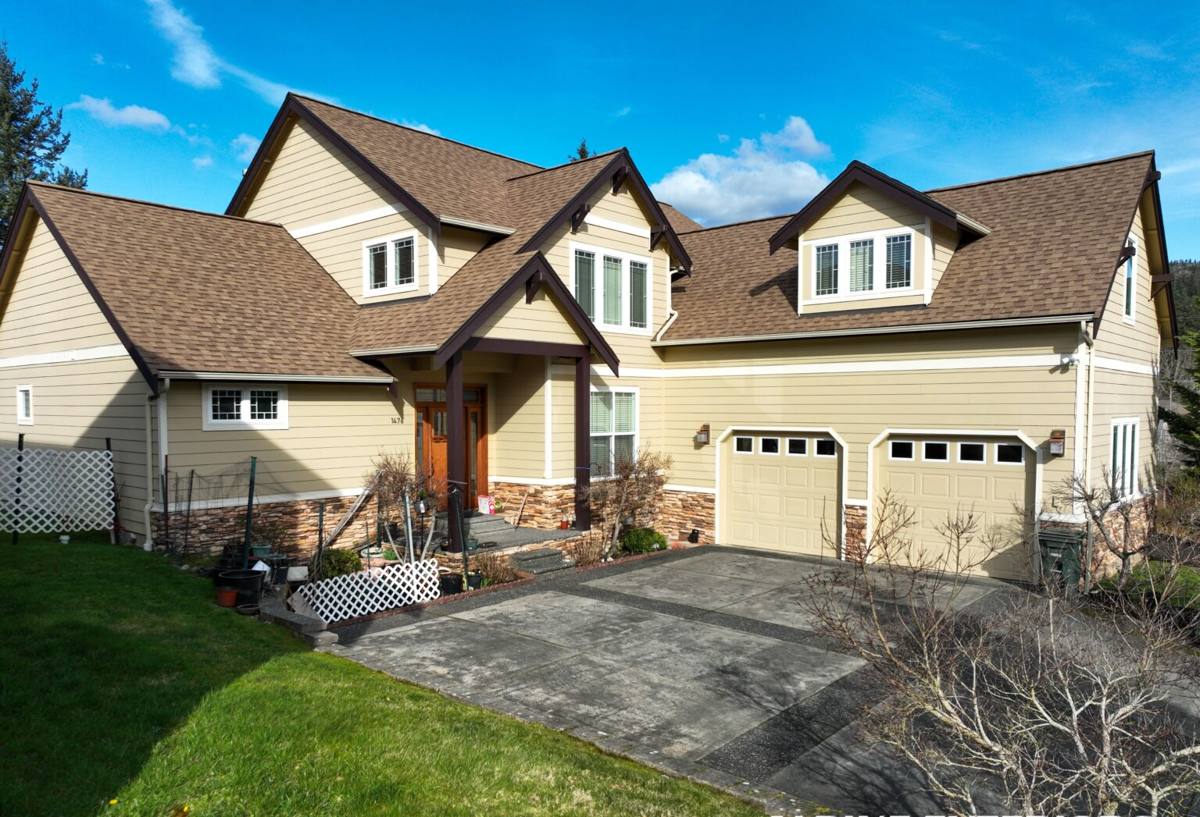
Homes around Big Lake face a different set of conditions than a house sitting out in the open on a dry, sunny lot. Between the humidity that sits over the water, the tree cover that surrounds much of the shoreline, and the driving rain that rolls through Skagit County for months at a time, siding here works harder than it does almost anywhere else in the Burlington area. We install siding on Big Lake area homes regularly, and the pattern is consistent: whatever goes on these walls needs to handle constant moisture exposure and long stretches without direct sun to dry things out.
This page focuses specifically on siding installation for homes in and around Big Lake — what the local conditions demand, what a correctly installed job actually involves, and why we install only one product system on every home we touch.
What Big Lake's Climate Actually Does to Siding
Moisture That Doesn't Go Away
Being close to open water means the air around Big Lake carries more sustained humidity than inland Burlington neighborhoods a few miles away. Morning fog off the lake is common, and it lingers longer on shaded and tree-covered lots. Siding materials that absorb moisture, swell, or trap water behind the surface are put to the test in exactly these conditions — not during one bad storm, but day after day, season after season.
Shade, Tree Cover, and a Long Moss Season
Many lots around the lake have mature trees and heavy shade, which keeps walls damp longer after rain and gives moss and algae more time to establish. A long moss season isn't just a cosmetic issue — moss holds moisture against the siding surface, and on materials that aren't dimensionally stable or properly finished, that sustained dampness is what eventually causes swelling, delamination, or paint failure.
Driving Rain and Wind Off the Lake
Open water gives wind a clear run at the homes along the shore, and that wind often pushes rain sideways into wall assemblies rather than letting it fall straight down. Siding that isn't installed with the right clearances, flashing, and drainage path will let that driving rain find its way behind the surface — where it does the most damage and is hardest to spot until the problem is already serious.
Why We Install Only James Hardie Fiber Cement
Given what Big Lake area homes are up against, we standardized on James Hardie fiber cement for every siding installation we do — not because it's the cheapest option on the market, but because it's the one product system that consistently holds up to this exact combination of humidity, shade, and wind-driven rain.
- Non-combustible core — fiber cement doesn't feed a fire the way wood-based products can, which matters for insurance and peace of mind alike.
- Dimensionally stable in wet climates — Hardie's HZ5 product line is engineered specifically for regions with prolonged moisture exposure, so it resists the swelling and warping that shorten the life of wood and some engineered wood sidings.
- ColorPlus factory finish — baked-on, backed by its own finish warranty, and far more resistant to the fading and peeling that shaded, damp walls accelerate on field-painted materials.
- Strong transferable warranty — protects the investment if the home changes hands, which matters on a long-term property near the lake.
We don't install vinyl, LP SmartSide, Cemplank, Allura, primed spruce, or cedar. Each of those has legitimate uses elsewhere, but none of them match Hardie's combination of moisture performance, finish durability, and fire resistance in a shaded, humid, storm-exposed environment like Big Lake. We'd rather install one product correctly and stand behind it than offer a menu of options we don't fully believe in.
What Correct Installation Actually Involves
Fiber cement siding is only as good as the installation behind it. The material itself resists moisture and rot, but the assembly around it — flashing, gaps, fasteners, and the water-resistive barrier underneath — is what actually keeps water out of the wall. This is where most siding failures we see on older homes originate, and it's especially important on lake-adjacent lots where the wall assembly stays damp longer between rain events.
| Installation Element | Correct Practice | Common Shortcut That Causes Problems |
|---|---|---|
| Weather-resistive barrier | Continuous house wrap, properly lapped and taped, with a drainage plane behind the siding | Reused or damaged wrap, gaps at seams, no drainage gap |
| Flashing at openings | Window and door flashing integrated with the wrap so water sheds outward at every penetration | Caulk used in place of proper flashing |
| Clearance at grade and roof lines | Minimum manufacturer-specified clearance from soil, decks, and roofing to keep siding out of standing moisture | Siding installed tight to grade or roofline, wicking moisture directly into the board |
| Board gaps and caulking | Manufacturer-specified gaps at butt joints, sealed with a compatible sealant rated for movement | Boards installed tight with no expansion gap, leading to cracked caulk and water entry |
| Fastening | Correct fastener type, spacing, and depth per Hardie's installation specs | Overdriven or undersized fasteners that split boards or fail to hold over time |
None of this is visible once the job is finished and painted — which is exactly why it matters who does the work. A siding job can look identical from the curb whether it was installed to spec or not, and the difference only shows up years later when moisture finds the gap that shouldn't have been there.
Our Process for Big Lake Siding Installation
1. On-Site Assessment
We start by walking the property, looking at sun exposure, tree cover, drainage patterns, and the condition of the existing siding and sheathing. Lake-adjacent lots often have specific shade and moisture patterns on the water-facing side of the home that shape how we sequence the work.
2. Removal and Sheathing Check
Once old siding comes off, we inspect the sheathing underneath for hidden rot or moisture damage before anything new goes up. On homes that have been damp for years, this step often reveals problems that were invisible from the outside.
3. Weather Barrier and Flashing
We install a continuous drainage-plane house wrap and flash every window, door, and penetration before a single piece of Hardie board goes on. This is the step that actually keeps driving rain out of the wall long after the paint job stops mattering.
4. Hardie Installation to Manufacturer Spec
Boards go up with the correct clearances, gaps, and fastening pattern specified by James Hardie for our climate zone — not generic spacing that happens to look right.
5. Final Walkthrough
We walk the finished job with the homeowner, checking caulking lines, trim details, and clearances before calling it complete.
Signs Your Current Siding Is Already Losing the Battle
If your home is on or near Big Lake and showing any of the following, it's worth having it looked at before a small problem becomes a wall repair:
- Persistent moss or dark streaking that comes back within weeks of cleaning
- Soft, spongy, or bubbling spots when you press on the siding
- Paint that's peeling or bubbling rather than just fading evenly
- Visible gaps, cracked caulk lines, or warped boards, especially on the side facing the water
- Musty smells or soft drywall on interior walls that back up to exterior siding
- Boards that have swollen at the bottom edge or separated at seams
What Drives the Cost of a Big Lake Siding Job
| Factor | Why It Matters Here |
|---|---|
| Extent of sheathing repair needed | Long-term moisture exposure on shaded lots sometimes means hidden rot has to be addressed before new siding goes on |
| Home size and wall complexity | Dormers, multiple gables, and cut-up wall lines around lake homes take more labor and trim detail than a simple rectangle |
| Access and site conditions | Wooded or sloped lakefront lots can affect staging, scaffolding, and material access |
| Product line and finish selected | Hardie's plank, panel, and shingle lines, plus ColorPlus color selection, affect material cost |
| Trim and accessory work | Fascia, trim boards, and soffit work bundled into the project add to scope |
We're straightforward about these factors during the estimate rather than quoting a number without walking the property first — every Big Lake home carries its own combination of shade, exposure, and existing wall condition.
Why Local Experience Around Big Lake Matters
A crew that already works this specific area knows what to check for before the first board comes off — where moisture tends to collect on shaded, tree-covered lots, how much clearance to leave given the humidity, and which details matter most on homes facing open water. That familiarity shows up in fewer surprises during the job and a longer-lasting result once it's done. It's a meaningfully different starting point than a crew installing siding here for the first time.
Get a Free, No-Pressure Estimate
If you own a home near Big Lake and your siding is showing its age, or you're planning ahead before the next wet season sets in, we're happy to take a look and walk you through what correct James Hardie installation would involve for your specific home. There's no obligation — just a straightforward assessment and an honest estimate using the form below.