 Burlington
 Roof Repair Built for Big Lake's Wet, Wooded Setting
Big Lake sits in a pocket of Skagit County where tall fir and cedar stands crowd close to the water and the rooflines beneath them. That's part of what makes the area beautiful, and it's also exactly what makes roofs here age differently than roofs out on open, sunny ground. Shade means roofs dry slower after every rain. Overhanging limbs mean more needles, cones, and debris collecting in valleys and gutters. And the marine-influenced air that moves up through the Skagit Valley keeps everything damp for long stretches of the year, which is the single biggest factor behind moss growth and slow-developing leaks.
None of that means a roof in Big Lake is doomed to fail early. It means the roof needs to be inspected and repaired with that environment in mind, not treated like a roof on a dry lot ten miles inland. That's the difference between a repair that lasts and one that's patched over the same spot again in two years.
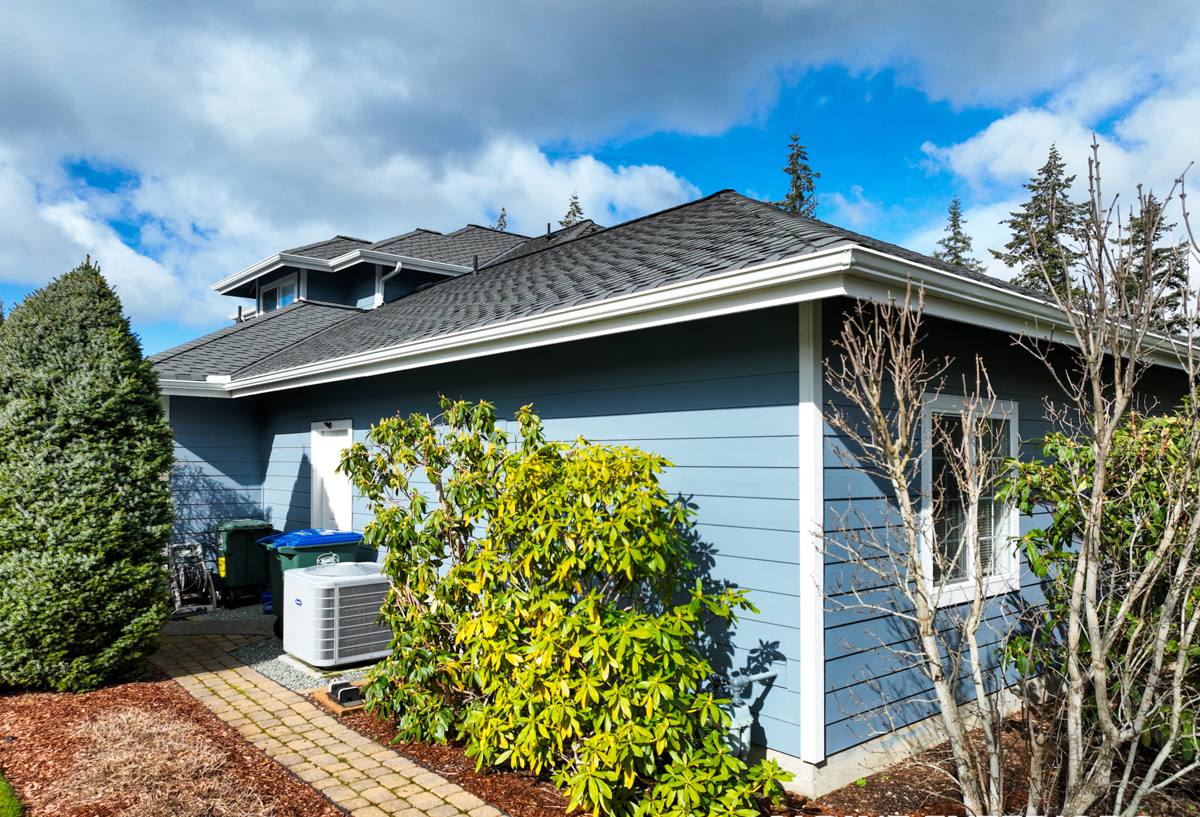
Signs Your Big Lake Roof Needs Attention
Most roof problems in this area don't show up as a dramatic leak on day one. They show up as small warning signs that get ignored because the roof "still looks fine from the ground." Here's what we tell homeowners to actually watch for:
- Dark streaking or green-black growth on north-facing or shaded slopes
- Granules collecting in gutters or at the base of downspouts
- Soft or spongy spots when walking a low-slope section
- Water stains on interior ceilings, especially near chimneys, skylights, or where two rooflines meet
- Daylight visible through the attic sheathing or roof deck
- Shingles that are curling, cracked, or missing after a windstorm
- Standing moss or debris buildup in valleys that never fully dries out
- Flashing around vents, chimneys, or dormers that looks lifted, rusted, or caulked-over repeatedly
Any one of these on its own might be minor. Two or three together, especially in a shaded or lake-facing section of roof, usually means moisture has already gotten past the surface layer.
What a Proper Roof Repair Actually Involves
Tracing the Leak, Not Just the Stain
Water rarely drips straight down from where it enters. It travels along sheathing, rafters, and underlayment before showing up on a ceiling, sometimes several feet from the actual source. A repair that just patches the ceiling stain's location without opening up the roof to trace the real entry point is a repair that comes back. We start every job by getting on the roof and finding the actual failure point, not guessing from the ground.
Matching Materials Correctly
Composition shingle, cedar shake, and metal roofing all fail differently and repair differently. A patch that doesn't match the surrounding material's age, profile, or fastening pattern can actually create a new leak point by disrupting how water is meant to shed off the roof. Part of doing this correctly is matching the repair to what's already there, not applying a generic fix.
Flashing and Penetrations
Chimneys, plumbing vents, skylights, and dormers are where most Big Lake roof leaks actually start — not the open field of shingles. Flashing that's been caulked over instead of properly re-flashed is one of the most common issues we find on repair calls in this area, and it's usually a sign of a prior repair that treated a symptom instead of the cause.
Moss, Moisture, and the Long Wet Season
Moss isn't just cosmetic. As it grows, it holds moisture directly against the roofing material and, on shingle roofs, works its way under shingle edges and tabs. Over a wet season that can run many months here, that trapped moisture accelerates granule loss, softens underlayment, and eventually opens a path for water to get underneath the roof surface entirely.
Treating moss correctly means more than a one-time wash. It means clearing the growth without damaging the shingle surface, addressing the debris and shade conditions that let it take hold in the first place, and — where it makes sense — installing zinc or copper control strips that use rainwater to keep moss from re-establishing on the same slopes. On a heavily shaded Big Lake roof, this kind of ongoing moss management is often the single best thing a homeowner can do to extend the roof's life between repairs.
Storm and Wind Damage
Skagit County gets its share of driving wind and rain events, and a roof that's already compromised by moss or aging flashing is far more likely to lose shingles or open up a new leak during a storm than a well-maintained one. After any significant windstorm, it's worth a quick visual check for missing or lifted shingles, especially on the side of the roof that took the brunt of the wind.
Repair Cost Factors
Every roof repair is different, but the factors that drive cost up or down are consistent. This isn't a price list — it's meant to help you understand what you're actually paying for when you get a quote.
| Factor | Why It Matters |
|---|---|
| Size and location of the damaged area | A single flashing repair is far less involved than a section of failed decking |
| Roof pitch and accessibility | Steep or high sections require more safety setup and time |
| Underlying deck condition | Rotted sheathing found under a leak adds material and labor beyond the surface repair |
| Material type and age | Matching older or discontinued shingle profiles can take more sourcing effort |
| Extent of moss or debris buildup | Heavy growth adds cleaning time before any repair work can start |
| Number of penetrations involved | Chimneys, vents, and skylights each add their own flashing detail |
Simple flashing or spot shingle repairs are typically a modest, single-visit cost. Repairs involving deck replacement or multiple penetrations run higher because of the added labor and material. We always inspect first and give a written explanation of what we found before quoting anything.
Our Repair Process
- Inspection. We get on the roof, not just in the attic or on the ground, and check the full slope where the problem is occurring, plus adjacent areas that share drainage.
- Diagnosis. We identify the actual entry point and explain it in plain terms — what failed, why, and whether it's isolated or a sign of a broader issue.
- Written scope. You get a clear explanation of the repair before any work starts, including whether deck repair is needed once we open the area up.
- Repair. We replace or correct the failed material, re-flash penetrations properly rather than caulking over them, and match surrounding materials where possible.
- Cleanup and check. Debris and old material are cleared, gutters are checked for blockage from the repair area, and we confirm the fix from both the roof and interior side where relevant.
Repair vs. Replacement — How We Decide
Not every roof problem in Big Lake needs a full replacement, and we don't push one when a targeted repair will hold up. The honest factors that tip the decision are the age of the roofing material relative to its expected lifespan, how widespread the moisture damage is once we open the area up, and whether the roof has multiple aging sections that are likely to start failing one after another. If a repair can reasonably buy years of service without masking a bigger structural issue, that's what we recommend. If the deck is compromised in multiple spots or the material is past the point where matching repairs are realistic, we'll tell you that plainly and explain why.
Why a Crew That Already Works Big Lake Matters
A roof repair in a shaded, lake-adjacent setting isn't the same job as a repair on an open, sun-exposed roof across town. Knowing how moss behaves under this area's tree cover, how long roofs here actually stay wet after a storm system moves through, and which flashing details tend to fail first under these conditions comes from having done the work here repeatedly — not from a general roofing checklist. That local familiarity shows up in faster, more accurate diagnosis and repairs that account for the conditions the roof will keep facing, not just the damage that's visible today.
Get a Straight Answer on Your Roof
If you're seeing moss buildup, a ceiling stain, or storm damage on a Big Lake roof, it's worth getting eyes on it before the next wet stretch sets in. We offer free, no-pressure estimates — we'll inspect the roof, tell you honestly what we find, and lay out your repair options in plain language. Use the form below to get started.