 Burlington
 Roofing Big Lake Homes the Right Way
Big Lake sits in a pocket of Skagit County where thick tree cover, a large body of water, and the general damp of the Puget Sound region all combine to work a roof harder than most homeowners realize. If you live out here, you already know the drill: gutters clog faster, north-facing slopes stay shaded and wet longer, and moss shows up on shingles that are barely a few years old. A new roof installation in this neighborhood isn't just about swapping old material for new — it's about building a roof system that's set up to handle exactly these conditions from day one.
We install roofs across Burlington and the surrounding Skagit County communities, and Big Lake gets its own approach because the site conditions call for it. This page walks through what that actually means: what the climate does to a roof out here, what a correctly installed system includes, and how we run the job from first look to final walkthrough.
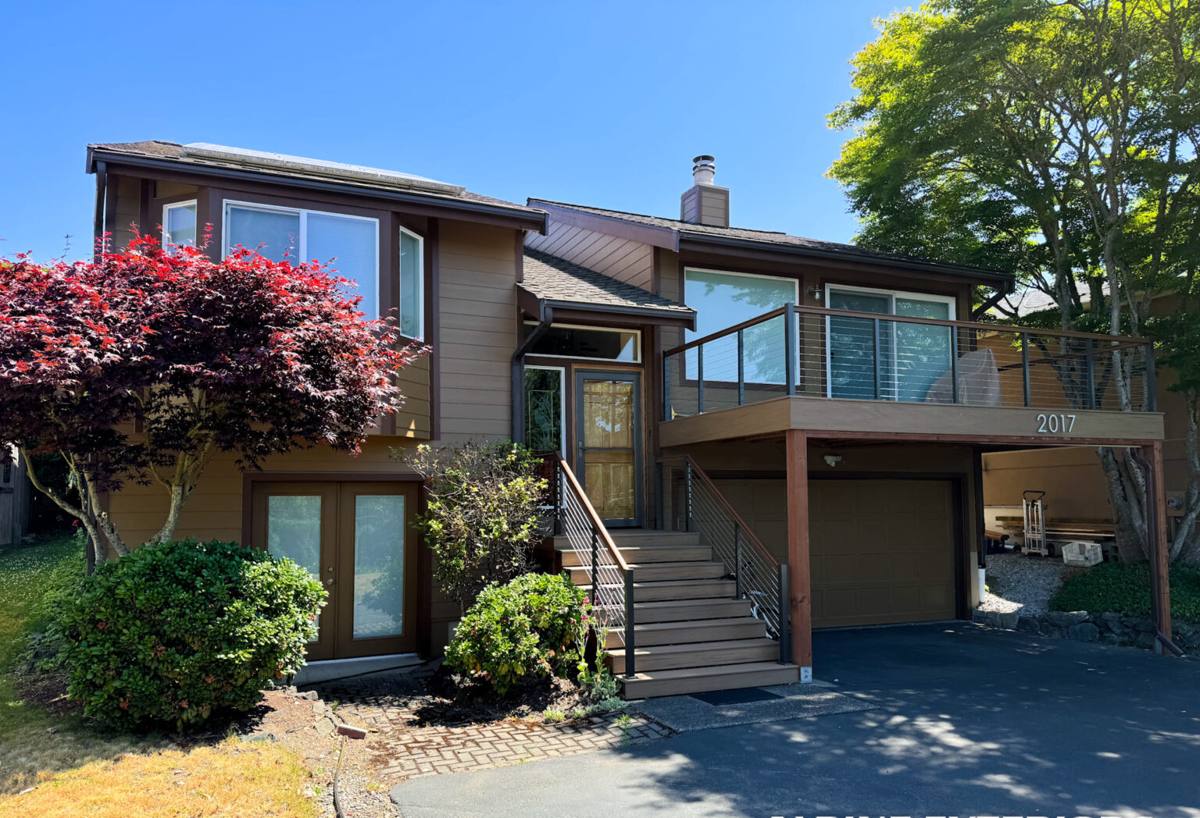
What Big Lake's Climate Does to a Roof
Salt-tinged air moving in off the Sound, long stretches of driving rain through fall and winter, and a moss season that can run most of the year — that combination shortens the life of a roof that isn't installed with those factors in mind. A few specifics worth understanding before you plan a replacement:
Shade and Moisture
Homes tucked near the lake and surrounded by mature trees hold onto moisture longer than homes out in the open. Shaded roof sections dry slowly after a storm, which is exactly the environment moss, algae, and moss-related shingle degradation need to take hold. A roof that never gets a chance to fully dry out is a roof that ages faster, regardless of the material.
Moss and Organic Debris
Needles, leaves, and moss spores collect in valleys and behind chimneys and other roof penetrations. Left alone, that debris holds water against the roofing material, and over time moss roots can lift shingle edges and create paths for water to get underneath. This is one of the most common causes of premature roof failure we see on lake-adjacent homes in this part of Skagit County — not a defective product, just moisture and organic material given time to do damage.
Wind-Driven Rain and Salt Exposure
Storms coming through the region often bring rain at an angle, not straight down, which puts more stress on flashing, roof edges, and any spot where two roof planes or a roof and a wall meet. Salt-carrying air, even well inland from the immediate coast, accelerates corrosion on exposed metal fasteners and flashing that isn't rated for it. Both are manageable with the right materials and detailing — but only if they're accounted for during installation, not discovered after a leak.
What a Correct New Roof Installation Includes
A new roof is more than shingles. Every layer underneath does specific work, and skipping or rushing any of them is where most roof failures in this climate actually start.
- Full tear-off: We remove old roofing down to the deck rather than layering over it, so we can see the actual condition of the wood underneath.
- Deck inspection and repair: Any soft, rotted, or delaminated sheathing gets replaced before anything new goes down. Installing new roofing over a compromised deck just hides a problem that will resurface.
- Ice-and-water shield at vulnerable areas: Eaves, valleys, and around penetrations get self-adhering waterproof underlayment, since these are the spots wind-driven rain and ice most often find a way in.
- Synthetic underlayment across the field: A water-resistant barrier under the entire roof surface, giving a second line of defense if wind ever drives moisture past the outer layer.
- Corrosion-resistant flashing and fasteners: Given the salt exposure typical of this region, we use flashing and fastener materials selected to hold up rather than corrode over a few seasons.
- Proper ventilation: Intake and exhaust venting sized correctly for the attic, so moisture and heat don't get trapped underneath the new roof.
- Manufacturer-spec installation of the finish material: Nail patterns, exposure, and overlap done to spec — this is what keeps a warranty valid and a roof performing as designed.
Choosing a Roofing Material for a Big Lake Home
There isn't one "right" material for every house — it depends on your roof's slope, how much shade it gets, your budget, and how long you plan to be in the home. Here's how the common options stack up for this specific climate:
| Material | Performance in Shade/Moisture | Maintenance | Typical Lifespan |
|---|---|---|---|
| Architectural asphalt shingles | Good with algae-resistant granules; needs periodic moss removal on shaded slopes | Low to moderate — occasional cleaning recommended | 25–30 years |
| Standing seam metal | Sheds moisture and debris quickly; moss struggles to get a foothold on smooth panels | Low | 40–50+ years |
| Synthetic/composite shingles | Resists moisture absorption well; performance varies by product line | Low to moderate | 30–50 years, product-dependent |
| Wood shake | Struggles in persistent shade and moisture; higher moss and rot risk without diligent upkeep | High | Varies widely, shortened by damp conditions |
We don't push wood shake on shaded, moisture-heavy lots like many around Big Lake — not because the product can't look good, but because the maintenance burden and moisture behavior in this specific setting work against it. That's a professional judgment call based on the site, not a knock on the material in general. For most Big Lake homes, we point people toward algae-resistant architectural shingles or metal, depending on the roof's exposure and the homeowner's budget and long-term plans.
Ventilation: The Step That Gets Skipped Too Often
In a climate this damp, attic ventilation isn't optional. Without balanced intake and exhaust venting, warm moist air gets trapped under the deck, condensation forms, and you end up with rot and mold working on your roof from the inside — even with brand-new material on top. We size ventilation to the actual attic, not a one-size-fits-all default, and it's part of every new roof install, not an upsell.
Our Process, Start to Finish
- On-site assessment: We walk the roof, check the attic, and look at drainage, shading, and any existing moss or moisture issues specific to your property.
- Written estimate: Clear scope, material options, and pricing — no pressure to decide on the spot.
- Scheduling: We plan around weather windows, which matters more here than in drier parts of the state.
- Tear-off and deck repair: Old material comes off, the deck gets inspected, and any needed repairs happen before new material goes on.
- Underlayment, flashing, and ventilation installation: The layers that actually keep water out, installed to spec.
- Finish material installation: Your chosen roofing material, installed per manufacturer requirements to keep the warranty intact.
- Site cleanup and walkthrough: Debris and nails cleared, and we go over the finished roof with you before we call it done.
Signs Your Big Lake Home May Need a New Roof
Not every roof problem calls for a full replacement, but these are the signs worth having a professional look at sooner rather than later:
- Heavy moss growth that returns quickly after cleaning
- Shingles that are curling, cracking, or losing granules in large patches
- Daylight visible through the attic roof deck
- Water stains on interior ceilings, especially after wind-driven storms
- Sagging areas anywhere on the roof plane
- Flashing that's visibly rusted, lifted, or separating from the roof
- A roof approaching or past its material's expected lifespan
Why a Local Crew That Works Big Lake Matters
A roofer who works this specific area regularly already understands how shade, lake moisture, and regional storm patterns affect a roof here — that's not something you learn from a general training manual, it's something you learn from doing the work in these conditions repeatedly. That local experience shows up in small but real decisions: where extra ice-and-water shield makes sense, how much ventilation an attic actually needs given the tree cover, which flashing details hold up against wind-driven rain year after year.
It also matters for accountability. A crew based in Burlington and working throughout Skagit County isn't going anywhere after the job wraps — if a question comes up during the warranty period, we're a short drive away, not a name from an out-of-area sales team.
Get a Free Estimate
If your Big Lake home needs a new roof — or you're just not sure yet whether repair or replacement makes more sense — we're glad to take a look and give you an honest, no-pressure assessment. Fill out the form below to schedule a free estimate.