 Burlington
 Building a Deck for Life on Big Lake
Big Lake sits in one of the shadier, more humid pockets of the Burlington area, and that changes what a deck needs to hold up over time compared to a deck built out in open, sunny yard. Homes around the lake tend to have more tree cover, more standing moisture at ground level, and decks that sit closer to grade or over sloped, damp ground leading down to the water. All of that adds up to a structure that dries out slower after every rain, which in Skagit County means most of the year.
A deck built without accounting for that reality can look fine for a season or two and then start showing problems — soft spots, moss creeping across boards, fasteners bleeding rust streaks, railings that wobble because a post base never had a chance to dry out. None of that is inevitable. It comes down to material choices, framing details, and airflow planning that either match the site or ignore it.
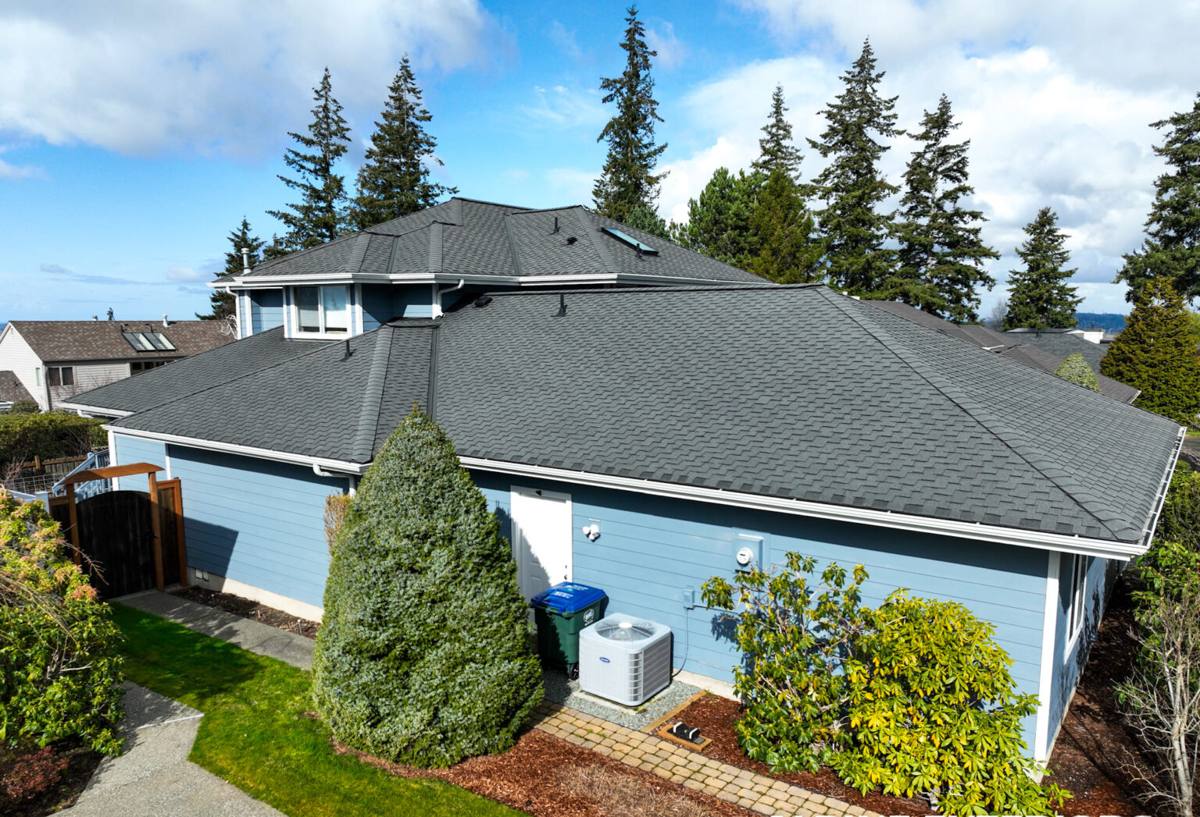
What the Big Lake Environment Actually Does to a Deck
Three conditions specific to this area do most of the damage over time:
Shade and Slow Drying
Mature trees around Big Lake are part of what makes the neighborhood attractive, but they also mean many decks get filtered light for a large part of the day. Wet decking that doesn't get direct sun for hours after a storm stays wet longer, and that extended dampness is what feeds moss, algae, and eventually rot in untreated wood.
Moss Season
Western Washington's moss season runs long — realistically fall through spring — and lake-adjacent yards with more shade and humidity see it start earlier and last later than drier parts of Burlington. Moss on decking isn't just cosmetic; it holds moisture against the board surface and turns boards slick, which is a real fall hazard on stairs and ramps.
Regional Maritime Air
Skagit County sits close enough to Puget Sound and Samish Bay that the broader region deals with salt-tinged, moisture-laden air, especially with a west wind. It's a smaller factor at Big Lake itself than it is right on the water, but it still plays a role in how fast unprotected metal hardware corrodes over the years, which is one more reason fastener selection matters here more than it would inland in a drier climate.
Choosing the Right Decking Material for This Site
There's no single "best" decking material — there's a best material for a shaded, damp, lake-adjacent lot. Here's how the common options actually perform in these conditions:
| Material | How It Handles Shade & Moisture | Moss Resistance | Long-Term Upkeep |
|---|---|---|---|
| Pressure-treated wood | Absorbs moisture readily; needs airflow underneath to dry between rains | Low — moss takes hold quickly on damp, ungroomed wood | Annual cleaning, periodic sealing/staining |
| Cedar | Naturally moisture-resistant but still an organic surface that holds surface dampness | Moderate — better than treated pine, still needs cleaning | Regular cleaning, occasional oiling to keep character |
| Composite decking | Doesn't absorb water into the board itself; surface still needs airflow to dry | Moderate to good depending on the capped/uncapped construction | Low — periodic washing, no sealing or staining |
| PVC decking | Fully synthetic, doesn't wick moisture at all | Good — smooth, non-porous surface resists moss anchoring | Lowest — occasional rinse is usually enough |
For a shaded Big Lake lot, we lean toward composite or PVC decking more often than we would on a sunny, open site — not because wood is a bad material, but because wood's maintenance schedule gets a lot less forgiving when the boards don't get much sun to dry them out. If a homeowner wants the look and feel of real wood, that's a completely reasonable choice too — it just means being honest up front about the cleaning and sealing schedule it will need living in this spot.
The Framing Underneath Matters More Than the Boards on Top
The part of a deck nobody sees is the part that determines whether it lasts fifteen years or forty. On a damp, shaded lot like Big Lake, we pay particular attention to:
- Ledger flashing — where the deck attaches to the house, proper flashing keeps water from tracking behind the siding and into the wall framing, which is a slow, hidden failure if it's done wrong.
- Joist protection — joist tape or a comparable moisture barrier on top of framing lumber keeps standing water from sitting directly against the wood at every fastener point.
- Footings and post bases — on sloped ground running toward the lake, footing depth and drainage around the post base need to account for how the soil actually holds water on that particular lot, not a generic assumption.
- Under-deck airflow — low decks or decks close to grade need enough clearance and, where possible, gaps or venting so air can actually move underneath and let the structure dry out between rains.
Hardware and Fasteners Built for This Climate
This is where corner-cutting shows up years later, not months later. In a humid, shaded, occasionally salt-tinged environment, we use fasteners and structural hardware rated for exterior, corrosive-prone conditions — stainless steel or heavy hot-dip galvanized, not the bare or lightly coated fasteners that are fine in a dry climate but streak, weaken, and eventually fail here. The same logic applies to railing brackets, joist hangers, and any structural connector: it's a small cost difference up front and a large difference in how the deck looks and performs a decade in.
How We Approach a Custom Deck Project at Big Lake
Every deck we build starts with the site, not a catalog page. For a Big Lake property, that generally looks like:
- Site walk — we look at sun exposure, tree cover, existing grade, and how water actually moves across the yard toward the lake, not just where the house sits.
- Design and material conversation — we lay out real trade-offs between wood, composite, and PVC for that specific spot, including honest maintenance expectations, not just upfront cost.
- Permitting — decks attached to the house or elevated above grade typically need a permit through Skagit County; we handle that process as part of the job so it isn't left on the homeowner's plate.
- Construction — proper flashing, moisture-rated hardware, and framing built for airflow, followed by decking and railing installed to manufacturer specs.
- Final walkthrough — we go over the finished deck together and cover what routine care it'll need given where it sits on the property.
Keeping a Big Lake Deck in Good Shape Year-Round
A well-built deck still needs some seasonal attention in this climate. A simple routine goes a long way:
- Sweep leaves and debris off the deck regularly in fall — trapped organic material under leaves is where moss and mildew get their start.
- Rinse or wash the surface a couple of times a year, more often in heavily shaded areas, to knock back early moss and algae growth before it takes hold.
- Check stair treads and shaded corners for slickness through the moss season and clean those spots first — they're the fall-risk areas.
- Inspect fastener heads and railing connections annually for rust streaking or looseness, especially after the wettest months.
- For wood decking, plan on resealing or restaining on the schedule the product calls for — shaded lake lots usually need it on the shorter end of that range.
- Keep an eye on under-deck airflow — trim back vegetation that's grown up and started blocking ventilation underneath.
Why It Matters to Hire a Crew That Already Works This Neighborhood
Big Lake isn't a generic Burlington lot. The combination of tree shade, proximity to the water, and sloped ground leading down to the lake creates drainage and moisture conditions that don't show up the same way on a flat, open, sunny site across town. A crew that's already built and maintained decks around the lake knows which grading and framing adjustments actually matter here, has a working relationship with the Skagit County permitting process for this area, and isn't guessing at how a particular material will hold up under this much shade and humidity. That local track record is worth more than a lower bid from a crew that's never built on ground like this.
If you're planning a new deck or replacing one that's showing its age on your Big Lake property, we're happy to walk the site with you and talk through what actually makes sense for your yard — no pressure, no obligation. Reach out using the form below to schedule a free estimate.