 Burlington
 Roof Repair Built for Avon's Weather, Not a National Average
Avon sits low in the Skagit Valley, close enough to the water that salt-laden air, driving Pacific rain, and a moss season that can run eight or nine months a year all show up on local roofs the same way, year after year. A roof repair company that mostly works inland, drier neighborhoods will diagnose your roof the same way they'd diagnose one in a completely different climate. We work in Burlington and the surrounding Skagit County communities, including Avon, and we see the same failure patterns often enough to know exactly where to look first.
This page is about one thing: roof repair for homes in and around Avon. Not a full re-roof, not siding, not gutters as a stand-alone job — just what it actually takes to find a roof problem, fix it correctly, and leave you with a roof that will hold up through the next wet season instead of leaking again in six months.
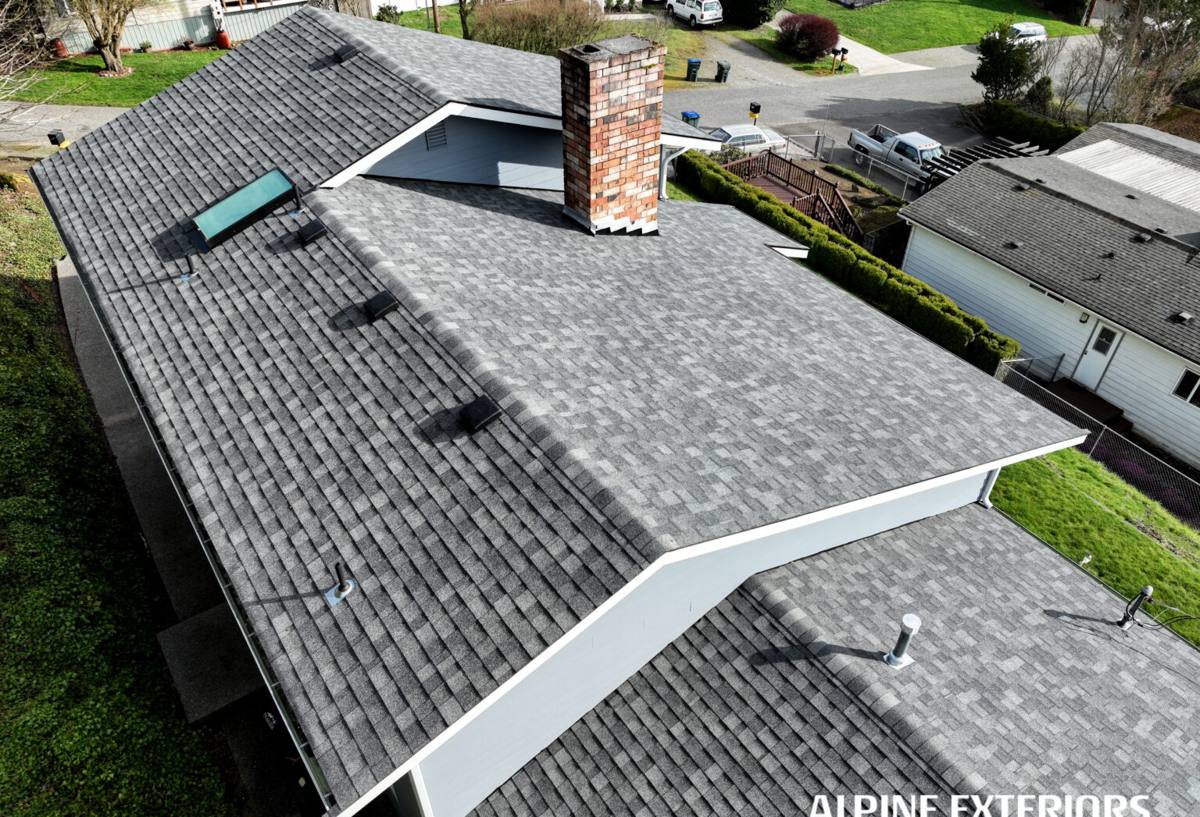
Why Avon Roofs Take a Different Kind of Beating
Salt Air and Moisture Together
Homes near the Skagit Valley's waterways and low-lying farmland deal with a steady mix of humidity and mild salt exposure. That combination speeds up corrosion on exposed metal — nail heads, flashing, vent boots, gutter hardware — well before the shingles or panels around them are actually worn out. A roof can look fine from the ground while the metal details that keep water out are already failing underneath.
Driving Rain, Not Just Rain
Skagit County doesn't just get a lot of rain, it gets a lot of wind-driven rain off Pacific storm systems. Water doesn't fall straight down and run off — it gets pushed sideways under shingle edges, into open valleys, and behind poorly sealed flashing. A repair that would hold up fine in a calmer climate can fail here because it wasn't built to handle water moving at an angle.
The Long Moss Season
Shade, moisture, and mild temperatures make Avon good moss-growing territory for most of the year. Moss isn't just cosmetic — it holds water against the roofing material, lifts shingle edges as it grows, and channels runoff into places it was never supposed to go, like nail penetrations and flashing seams. A lot of the "mystery leaks" we get called out for trace back to moss that's been sitting undisturbed for a couple of seasons.
The Roof Problems We See Most Often in Avon
Not every leak or damaged shingle needs the same fix. Here's what actually shows up on Avon service calls, most to least common:
- Moss-related shingle lift and granule loss along north-facing slopes and anywhere tree cover keeps a section of roof shaded and damp longer than the rest.
- Flashing failures around chimneys, skylights, and roof-to-wall transitions, usually from corroded or under-sized flashing rather than a shingle problem.
- Valley leaks where two roof slopes meet and heavy, wind-driven rain concentrates faster than a worn or poorly installed valley can shed it.
- Clogged or undersized gutters backing water up under the roof edge, especially where mature trees drop needles and leaves through fall and winter.
- Vent boot cracking — the rubber collars around plumbing and exhaust vents dry out and split over time, which is a small part with an outsized leak risk.
- Nail pops and fastener corrosion from the salt-humidity mix, creating small entry points that widen with every freeze-thaw or wind cycle.
What a Correct Roof Repair Actually Involves
A roof repair done right isn't just patching the spot where water is showing up inside the house. Water almost always travels before it drips — the stain on your ceiling might be several feet from where it's actually getting in. A repair that skips the diagnosis step is a repair that's likely to come back.
Finding the Real Source
We start on the roof, not in the attic. That means checking flashing, valleys, vent boots, and shingle condition around the suspected area, then working backward from there to the interior stain or damp spot if one exists. Attic inspection matters too — daylight, water staining, or damp insulation tells us how long a leak has been active and how far it's traveled.
Checking What's Underneath
If water has been getting in for a while, the roof deck underneath the shingles can be soft, delaminated, or rotted. Patching over damaged decking hides the problem instead of fixing it. Part of a proper repair is confirming the deck is solid before any new material goes down — and if it isn't, that gets addressed as part of the same job rather than left for you to discover later.
Matching Materials, Not Just Covering the Hole
New shingles or flashing that don't match the existing roof's material, color, or age can actually create a new failure point — different expansion rates, mismatched overlap, or a seam that isn't sealed the way the original installation was. We match materials and technique to what's already on your roof whenever possible, and we're upfront if an exact match isn't available.
Our Roof Repair Process
- Inspection and diagnosis. We get on the roof, document the actual condition, and identify the root cause — not just the symptom you called about.
- Straight assessment. You get a clear explanation of what's wrong, what caused it, and whether a repair is the right call or a section needs more than patching.
- Written scope and price. No surprise add-ons once work starts — if we find something new once we open up an area, we tell you before we proceed, not after.
- The repair itself. Deck check, correct flashing and underlayment detail work, matched roofing material, and proper sealing at every penetration and seam we touch.
- Site cleanup. Old material, nails, and debris removed — we don't leave a roofing job looking like one happened.
- Follow-up. If anything about the repair doesn't hold up the way it should, we want to hear from you.
Repair or Replace? How We Help You Decide
Not every damaged roof needs to come off. But a repair on a roof that's already near the end of its service life can end up being money spent twice. Here's how we weigh it:
| Factor | Leans Toward Repair | Leans Toward Replacement |
|---|---|---|
| Age of roof | Under 15-20 years, depending on material | At or past the manufacturer's expected service life |
| Extent of damage | Localized — one valley, one flashing detail, a small section | Widespread granule loss, moss, or damage across multiple slopes |
| Deck condition | Solid, dry decking under the damaged area | Soft, rotted, or delaminated decking in multiple spots |
| Leak history | First issue, isolated cause | Repeated leaks in different areas over recent years |
| Shingle condition elsewhere | Rest of roof is sound and flexible | Shingles elsewhere are brittle, curling, or losing granules |
We'll tell you honestly which side of that table your roof falls on. A roof that only needs a repair doesn't need a sales pitch for a full replacement.
Materials and Product Choices That Matter Here
For most Avon repairs we're matching to existing asphalt composition shingles, since that's the majority of what's on roofs in this area, though we also work on metal and other roofing types. A few standards we hold to on every repair:
- Corrosion-resistant flashing and fasteners given the salt-air exposure common closer to the water — cheaper galvanized hardware corrodes faster here than it would further inland.
- Self-sealing or hand-sealed underlayment details at valleys and penetrations, since wind-driven rain finds gaps that straight-down rain never would.
- Ice-and-water shield or equivalent membrane at vulnerable transition points like valleys, chimneys, and eaves, even on a repair, not just full replacements.
- Manufacturer-compatible shingles matched by profile and weight, not just color, so the repaired section sheds water the same way the rest of the roof does.
We don't install lower-grade materials to save a few dollars on a repair that's supposed to last. If a cheaper option would create a maintenance headache or a mismatched warranty down the road, we'll say so and explain the trade-off rather than let you find out later.
Why Working With a Crew That Already Knows Avon Matters
Roofing contractors who don't work this area regularly tend to treat every job as a generic repair. A crew that's already spent time on roofs around Burlington and the greater Skagit Valley recognizes a moss-damaged valley or salt-corroded flashing on sight, because we've seen the pattern before — not because we're guessing at what a Pacific Northwest roof "probably" looks like. That translates into faster, more accurate diagnosis and fewer surprises once a repair is underway.
It also means we know what actually holds up here versus what looks fine on paper. A flashing detail or sealant that performs well in a drier or calmer climate can fail within a season or two under Skagit County's wind-driven rain. We build repairs for the weather your roof actually deals with, not a generic spec sheet.
What Roof Repair Typically Costs
Every repair is different, but the price of a roof repair is generally driven by a few consistent factors:
| Cost Factor | Why It Matters |
|---|---|
| Size of the damaged area | A single flashing fix costs far less than re-roofing multiple slopes' worth of shingles |
| Roof pitch and access | Steep or high roofs take longer and require more safety setup |
| Deck condition | Replacing rotted decking adds material and labor beyond the surface repair |
| Material match | Discontinued or specialty shingles can be harder to source and cost more to match |
| Number of penetrations involved | Chimneys, skylights, and multiple vents each add their own flashing and sealing work |
Small, localized repairs are typically a modest, single-visit cost. Repairs involving deck replacement, multiple flashing details, or larger moss-damaged sections run higher. We give you an actual number for your roof after we've inspected it — not a phone estimate based on square footage alone.
A Homeowner's Roof Health Checklist
Between professional inspections, here's what you can reasonably check yourself from the ground or a ladder, without climbing onto the roof:
- Look for moss or dark streaking concentrated on shaded, north-facing slopes.
- Check gutters for granules collecting after a hard rain — a sign of accelerated shingle wear.
- Watch ceilings and attic spaces for staining after a strong windstorm, not just steady rain.
- Look at flashing around the chimney and any skylights for visible rust or gaps.
- Note any shingles that look lifted, curled, or missing after high wind events.
- Confirm gutters are draining freely and not overflowing behind the fascia during heavy rain.
If you notice any of these, it's worth having it looked at before the next wet season, not after a leak shows up inside the house.
Get a Straight Answer on Your Roof
If you're dealing with a leak, moss buildup, or damage from a recent storm on an Avon-area home, we're happy to take a look and give you an honest read on what it actually needs — repair or otherwise. The estimate is free, there's no pressure attached to it, and you'll get a clear explanation either way. Just fill out the form below to get started.