 Burlington
 Decking Built for Avon's Conditions, Not Just Its Yards
Avon sits low in the Skagit River valley just outside Burlington, and that location comes with a specific set of conditions that decking has to survive year after year. Moist marine air moves in off the Sound, the valley floor holds humidity longer than higher ground, and winter rain isn't the occasional storm — it's weeks at a time. Add a moss season that can stretch from fall into spring, and a deck here is doing more work than a deck in a drier climate ever would.
None of that means composite decking is complicated. It means the details matter more. A deck built without attention to drainage, airflow, and fastening in this area will show problems in two or three years that a properly built one won't show in fifteen. This page covers what we look at specifically for composite decking projects in and around Avon.
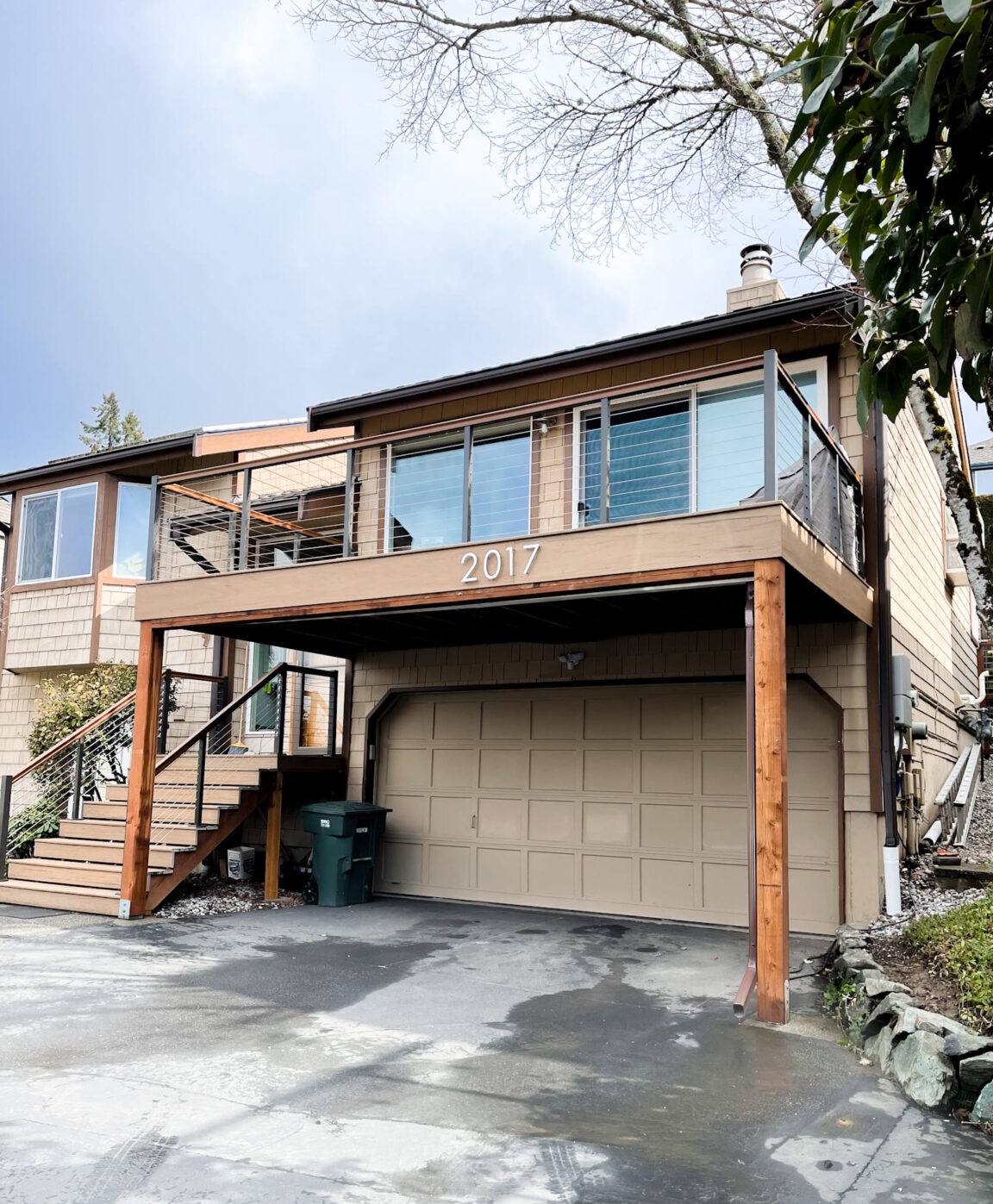
Why Composite Makes Sense for This Area
Wood decking isn't a bad product, but it asks a lot of a homeowner in a climate like this — annual sealing, sanding, and constant vigilance against moss and mildew, especially on the shaded or north-facing sides of a house where sun never fully dries the boards. Skagit County's damp stretch from October through April doesn't give wood much recovery time between soakings.
Composite decking handles that differently. The boards don't absorb water the way wood fibers do, so they aren't swelling, cupping, and splintering with every wet-dry cycle. Moss and algae still land on any exposed outdoor surface — nothing is immune to spores in the air — but composite doesn't give them the same foothold, and what does grow rinses off a solid capped surface far easier than it scrubs out of wood grain. For a lot of Avon homeowners, that's the real appeal: less time spent maintaining the deck and more time using it.
Where Composite Still Needs Respect
Composite isn't maintenance-free, and we don't sell it that way. It still needs to be built with real drainage beneath it, it still needs periodic cleaning to stay ahead of moss and pollen buildup, and cheaper uncapped boards can still take on moisture at cut ends if they aren't sealed correctly during installation. The product reduces the maintenance burden — it doesn't eliminate the need for a correct build.
What a Correct Composite Deck Installation Involves
Composite boards are only as good as the structure underneath them. Most of the composite deck failures we get called out to inspect trace back to the framing and drainage decisions made before a single board was ever installed — not the decking material itself.
Framing and Ledger Attachment
The ledger board connection to the house is the single most important structural point on any attached deck, and it's also the point most exposed to water intrusion if flashed incorrectly. In a climate that sees sustained rain rather than brief showers, a poorly flashed ledger doesn't just risk a leak — it risks slow rot in the rim joist behind the siding, hidden from view until the damage is significant.
Drainage and Airflow Underneath
Composite decking sheds surface water, but the space underneath the deck still needs somewhere for moisture to go. Low clearance, poor grading, or a joist layout that traps standing water creates a damp, shaded microclimate underneath the deck — exactly the conditions moss and mold prefer. We grade and route water away from the substructure and keep enough ventilation under the deck that it can actually dry out between rain events, rather than staying saturated through an entire wet season.
Fasteners and Hardware
All exterior hardware on a deck should be corrosion-resistant, but that matters even more for homes with any proximity to marine air moving through the valley. Standard fasteners can start showing rust streaks on light-colored composite boards within a couple seasons if they aren't rated for it. We use hidden fastening systems and stainless or coated hardware sized correctly for composite board expansion and contraction, which behaves differently than wood as temperatures swing.
Board Selection and Layout
Board direction, gap spacing, and picture-framing details all affect how well a deck drains and how it looks over time. Gaps that are too tight trap debris and hold moisture against the board edges; gaps that are too wide invite small items to fall through and can look sloppy. We set spacing based on the specific board profile and expected seasonal movement, not a generic default.
Comparing Deck Surface Options for This Climate
Homeowners in Avon usually ask us to compare composite against pressure-treated wood and against cedar, since those are the three most common choices for this region. Here's how they stack up on the factors that matter most locally.
| Factor | Composite | Pressure-Treated Wood | Cedar |
|---|---|---|---|
| Moisture resistance | High — resists swelling and rot | Moderate — treated but still absorbs water | Moderate — naturally rot-resistant but not waterproof |
| Moss/algae maintenance | Low — rinses clean | High — needs regular scrubbing and sealing | High — same seasonal upkeep as any bare wood |
| Refinishing needed | None | Annual staining/sealing recommended | Annual staining/sealing recommended |
| Upfront cost | Higher | Lowest | Mid-range |
| Long-term cost | Lower over 15+ years | Adds up with repeated sealing/repairs | Adds up with repeated sealing/repairs |
| Typical lifespan here | 25-30+ years with capped boards | 10-15 years before major repair | 15-20 years with consistent upkeep |
None of these are wrong choices in every case — a smaller budget or a homeowner who genuinely enjoys deck upkeep might reasonably choose wood. Our job is to lay out the honest trade-offs so the decision fits the household, not just the climate.
How We Approach a Composite Deck Project in Avon
Every deck we build follows the same sequence, adjusted for the specific lot and house.
- On-site assessment. We look at drainage patterns on the lot, existing structure if there's a deck to replace, sun exposure, and how the deck will connect to the house.
- Design and material selection. We walk through board options, color, and layout based on the home and the homeowner's maintenance preferences — not just the cheapest or most popular option.
- Permitting. Attached decks typically require a permit through the local building department; we handle that process rather than leaving it to the homeowner.
- Demolition, if applicable. Old decking and any compromised framing is removed and hauled off before new structural work starts.
- Framing and flashing. This is where drainage, ledger attachment, and structural spacing get set correctly — the part of the job that determines how the deck ages.
- Decking installation. Boards go down with hidden fasteners and correct spacing, followed by fascia, stair, and railing work.
- Final walkthrough. We go over the finished deck with the homeowner, including basic care specific to their board choice.
Keeping a Composite Deck in Good Shape Through a Skagit Winter
Composite cuts the maintenance load significantly, but a little seasonal attention keeps it looking and draining the way it should through the wettest months.
- Sweep off fallen leaves and needles regularly in fall — trapped organic debris is what feeds moss growth on any surface, composite included
- Rinse the deck surface periodically through winter to clear pollen, grime, and early moss growth before it sets in
- Check that gaps between boards stay clear of debris so water keeps draining through rather than pooling on the surface
- Confirm downspouts and gutters near the deck are directing water away from the structure, not onto or under it
- Inspect railings and stair connections once a year for any movement, since hardware is the first thing to show wear
- Avoid pressure-washing at close range or high pressure, which can damage the board's cap layer over time
Problems We Commonly Find on Existing Decks
When we're called out to look at an older deck in the Avon area — whether it's composite or wood — a handful of issues come up repeatedly. Most trace back to how the deck was originally built rather than the age of the materials.
Ledger boards flashed with caulk alone instead of proper metal flashing are a frequent find, often not visible until siding or trim is pulled back. Undersized or poorly spaced joists show up as bounce or soft spots underfoot. Fasteners that weren't rated for the coastal-influenced moisture in this area leave rust trails on lighter board colors. And low clearance between the ground and the deck framing, without adequate ventilation, traps moisture that keeps the substructure damp long after the surface has dried. These are all things we check for and correct as part of any composite deck project, whether it's new construction or a rebuild.
Why It Matters to Hire a Crew That Already Works This Area
A deck built to a generic national spec doesn't always account for a valley climate that holds moisture the way Avon's does. A crew that already works in Burlington and the surrounding Skagit County communities has already seen which framing shortcuts fail here, which fastener grades hold up, and how much drainage slope actually matters when the rain doesn't let up for a week. That local track record shows up in fewer callbacks and a deck that's still performing well a decade or two after it's built, not just on installation day.
If you're weighing a new composite deck or replacing one that's showing its age, we're glad to come take a look and talk through what your specific property needs. Reach out for a free, no-pressure estimate using the form below.