 Burlington
 Asphalt Shingle Roofing for Clear Lake Homes
Clear Lake sits in a part of Skagit County where the roof over your head does real work. Tree cover from fir, cedar, and big-leaf maple keeps homes shaded and cool in summer, but it also keeps roofs damp longer after every rain. Add in the marine air that moves through the Skagit Valley off the Sound, the driving rain that comes through in fall and winter storms, and a moss season that can run most of the year in the shadier lots, and you've got a climate that is genuinely hard on asphalt shingles if the roof underneath them wasn't built for it.
This page is about one job, done right, in one area: asphalt shingle roofing for homes in and around Clear Lake. Not a general overview of roofing options nationwide — what actually matters for a roof that has to survive this specific stretch of Skagit County year after year.
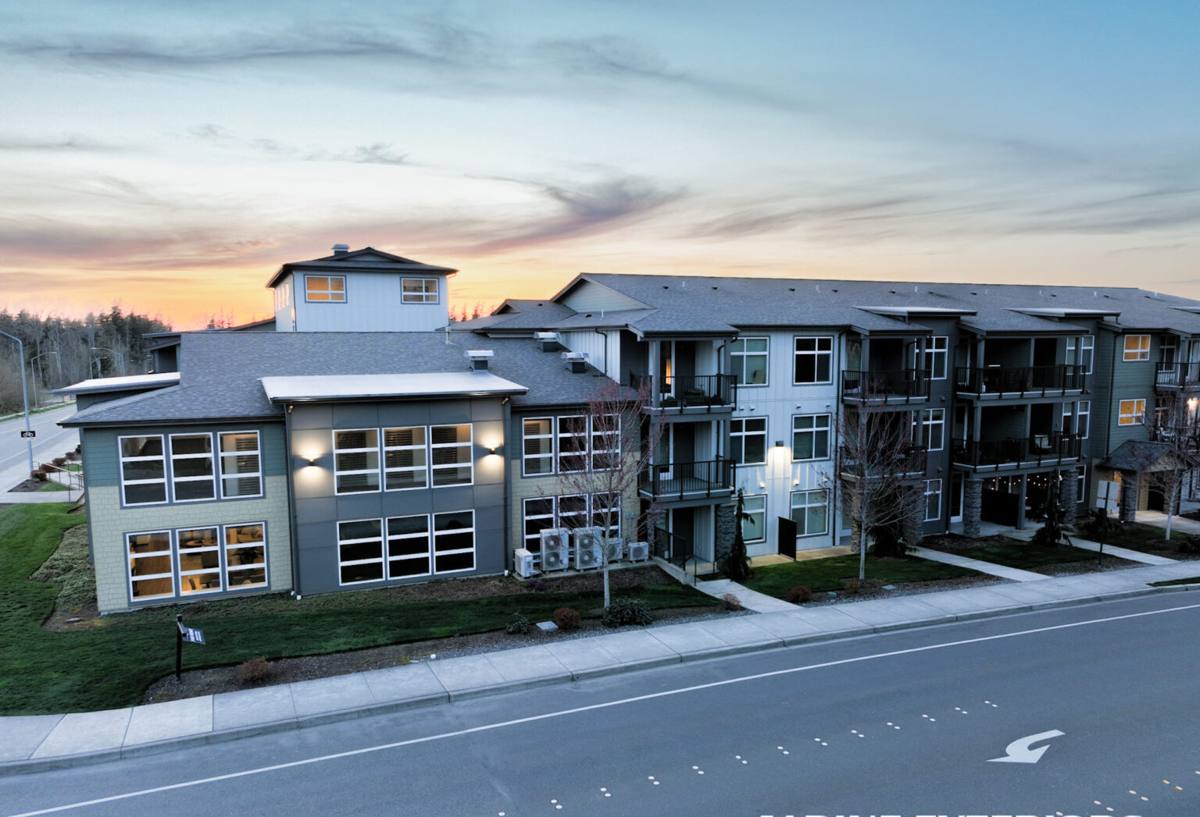
Why Clear Lake Roofs Wear Differently Than You'd Expect
A shingle roof in a dry, sunny climate mostly ages from UV exposure. A shingle roof around Clear Lake ages from moisture cycling — wet, dry, wet again — combined with organic growth and the slow mechanical damage that comes with it. A few things stack up here that don't show up as clearly on a generic roofing page:
- Shade retains moisture. Lots with mature tree cover near the lake dry out slower after rain than an open lot in town, which extends the window moss and algae have to take hold.
- Needle and leaf litter builds up fast. Debris collects in valleys and behind chimneys, holds water against the shingle surface, and is one of the most common causes of premature valley failure we see.
- Driving rain finds weak points. Wind-driven storms push water sideways and upward under shingle tabs and around flashing, which is why lay-up quality and flashing detail matter more here than they would in a calmer climate.
- Marine air adds salt and humidity to the mix. Metal components — nails, flashing, vents — corrode faster without the right materials, and humidity keeps the deck from ever fully drying out in the shoulder seasons.
None of this means asphalt shingles are the wrong choice for Clear Lake — they're the most common roofing material here for good reason: cost, availability, and a wide range of products built for exactly this kind of weather. It means the installation has to account for these conditions instead of following a generic spec sheet.
What a Correct Asphalt Shingle Roof Involves Here
Underlayment and Water Protection
The shingles are the visible layer, but the underlayment is what actually keeps a home dry when wind drives rain up under a tab or when ice forms along an eave on a cold snap. In this climate we treat synthetic underlayment as the baseline, not an upgrade, and we pay particular attention to eaves, valleys, and any low-slope transitions where water has more time to sit before it drains.
Ventilation That Prevents Problems Instead of Hiding Them
Poor attic ventilation is one of the most common — and most overlooked — causes of moss growth, premature shingle aging, and deck rot in this area. Warm, moist air trapped in an attic condenses against the roof deck from underneath, which keeps the wood damp even when the outside of the roof looks fine. A correct installation balances intake at the eaves with exhaust at the ridge, sized to the attic volume, not just whatever vents happen to already be there.
Flashing at Every Transition
Chimneys, skylights, sidewalls, and valleys are where roofs actually leak — plain field shingle almost never fails on its own. Step flashing, counter-flashing, and valley metal need to be sized, lapped, and sealed correctly for wind-driven rain, and this is the part of a reroof that's easiest to shortcut and hardest to notice from the ground.
Shingle Options and Trade-Offs
| Shingle Type | Typical Lifespan | Best For | Trade-Offs |
|---|---|---|---|
| 3-tab | 15–20 years | Budget-focused reroofs, rentals | Lower wind rating, less algae resistance, flatter look |
| Architectural / laminate | 25–30+ years | Most Clear Lake homes | Higher upfront cost, but far better wind and impact performance |
| Premium / designer laminate | 30–40+ years | Steep, highly visible roofs | Highest cost; benefit is mostly aesthetic and longevity, not function |
For most homes near Clear Lake, we steer people toward a mid-to-upper architectural laminate shingle with algae-resistant granules. It's not the cheapest option on the shelf, but given how much moss and algae exposure a shaded roof here gets, the difference in real-world lifespan usually justifies the cost over a 3-tab product.
How We Handle a Clear Lake Roofing Project
The process doesn't change dramatically from house to house, but the order and attention to detail matter. This is roughly how a full reroof goes:
- On-site inspection. We walk the roof, check the attic from inside for ventilation and moisture signs, and look at valleys, penetrations, and the deck itself — not just the shingle surface.
- Scope and material decision. Full tear-off versus overlay, shingle class, ventilation changes, and any deck repair get discussed and priced before work starts, not discovered halfway through.
- Tear-off and deck inspection. Old shingles come off, and the deck gets inspected board by board. Soft or delaminated sheathing — common wherever ventilation has been poor — gets replaced, not covered over.
- Underlayment and ice/water protection. Synthetic underlayment goes down across the field, with self-adhered membrane at eaves, valleys, and vulnerable transitions.
- Flashing installation. New flashing at valleys, chimneys, sidewalls, and penetrations — corrosion-resistant materials given the marine air moving through this area.
- Shingle installation. Laid to manufacturer spec for nailing pattern and exposure, which is what actually earns the wind-rating warranty — not just getting shingles on the roof.
- Ventilation and final details. Ridge and intake venting installed or corrected, all penetrations sealed, and a full site cleanup including a magnetic nail sweep.
- Walk-through. We go over what was done, where materials are documented, and what warranty coverage applies before we consider the job finished.
Why a Crew That Already Works Clear Lake Matters
Roofing crews that work all over Western Washington aren't wrong for the job, but there's a real advantage to hiring people who already know this specific pocket of Skagit County. A crew that's done several roofs around Clear Lake knows which lots hold shade and moisture longest, has already dealt with the permitting and inspection process through the county, and has working relationships with local suppliers that keep material lead times short instead of guessing at delivery windows.
There's also a practical response-time benefit. When a windstorm off the Sound tears loose a section of ridge cap or drops a limb through a valley, a crew based nearby can usually get a tarp on the roof same-day or next-day rather than days later. That matters in a climate where an exposed deck can take on serious water damage in a single heavy rain event.
Moss, Algae, and the Maintenance Reality
Moss isn't just a cosmetic problem. It holds moisture directly against the shingle surface, lifts tabs as it grows under the edges, and accelerates granule loss — all of which shortens the roof's real lifespan even if it still looks intact from the street. Around Clear Lake, with heavier tree cover than you'll find on more open lots closer to town, moss pressure tends to be higher and the growing season runs longer.
Algae-resistant shingles — the ones with copper or zinc-infused granules — genuinely help slow black streaking and algae growth, but they aren't a substitute for maintenance on a shaded roof. Zinc or copper strips installed near the ridge can reduce regrowth over time as rain washes trace metal down the roof face, and they're a reasonable add-on for lots with heavy overhead canopy.
Seasonal Maintenance Checklist
- Clear debris from valleys and behind chimneys before fall storms arrive
- Check gutters and downspouts for blockages that back water up under eave shingles
- Look for visible moss growth along the north-facing or shaded slopes each spring
- Trim back overhanging branches that keep sections of the roof from drying out
- Have moss physically removed rather than power-washed — pressure washing strips granules and shortens shingle life
- Schedule a walk-on inspection every few years, or after any major windstorm
Signs Your Clear Lake Roof Needs Attention
Most roofing problems don't announce themselves with a dramatic leak — they show up as smaller signs first. Worth checking for:
- Granules collecting in gutters or at the base of downspouts
- Shingles that are curling, cupping, or look flatter and darker than the rest of the roof
- Visible moss or algae growth, especially on shaded slopes
- Cracked or missing flashing around chimneys, skylights, or sidewalls
- Staining or sagging on ceilings or in the attic after heavy rain
- A roof that's approaching or past the 20–25 year mark, even if it looks fine from the ground
What Drives the Cost of a Clear Lake Reroof
We don't quote a job without seeing the roof, but the factors that move cost up or down are consistent from house to house. Understanding them ahead of time makes for a more useful conversation when we do the estimate.
| Factor | Why It Matters | Cost Impact |
|---|---|---|
| Roof pitch and access | Steeper roofs and difficult access slow the work and add safety requirements | Moderate to high |
| Number of existing layers | Extra tear-off labor and disposal for roofs with more than one layer of old shingles | Moderate |
| Deck condition | Rotten or delaminated sheathing found during tear-off needs replacement before shingles go on | Variable — depends on what's found |
| Shingle class | 3-tab, standard architectural, and premium laminate carry different material costs | Low to high |
| Ventilation upgrades | Adding or correcting ridge and intake venting where the current system is inadequate | Low to moderate |
| Roof complexity | Valleys, dormers, skylights, and chimneys all add flashing labor | Moderate to high |
The honest answer is that two houses that look similar from the street can price differently once we're actually up on the roof and see the deck condition and detail work involved. That's why we walk every roof before giving a number.
Warranty and Material Choices
An asphalt shingle roof typically comes with two layers of warranty: the manufacturer's coverage on the shingles themselves, and the installer's workmanship warranty on the labor. The manufacturer warranty is only as good as the installation underneath it — most manufacturers require the roof to be installed to their exact specification for the full warranty to apply, which is part of why nailing pattern, exposure, and ventilation aren't optional details, they're warranty requirements.
We install architectural laminate shingles from established manufacturers as our standard recommendation for this area, specifically because of their wind rating and algae resistance — both of which matter more here than in a drier, more open climate. We'll walk through the specific product lines and warranty terms available at the time of your estimate rather than quoting warranty details that change by manufacturer and season.
Get a Free, No-Pressure Estimate
If you're dealing with a roof that's showing its age, dealing with moss you can't stay ahead of, or just want an honest read on where things stand, we're happy to come take a look. The estimate is free, there's no pressure to book on the spot, and you'll get a straight answer about what your roof actually needs — not a upsell. Use the form below to get started.