 Burlington
 Windows in Anacortes Take a Different Kind of Beating
Anacortes sits out on Fidalgo Island, surrounded by salt water on three sides, which means homes here deal with a combination of weather stresses that inland Skagit County neighborhoods simply don't see as often. Salt-laden air off Rosario Strait and the Guemes Channel settles on window frames and hardware year-round. Winter storms push driving rain sideways into wall assemblies that weren't always built to handle it. And the long, damp moss season that defines this part of Washington keeps trim, sills, and siding wet for weeks at a stretch. None of that is a reason to panic about your windows, but it is a reason to take installation quality seriously rather than treating it as a simple swap-and-caulk job.
Why Location Matters More Than People Expect
A window that performs fine in a sheltered Burlington subdivision can fail years earlier on an exposed Anacortes lot facing open water or prevailing southwest winds. The frame material, the flashing detail, and the sealant choice all need to account for salt exposure and wind-driven rain, not just the general Pacific Northwest climate. That's the piece that gets missed when a job is treated as generic rather than local.
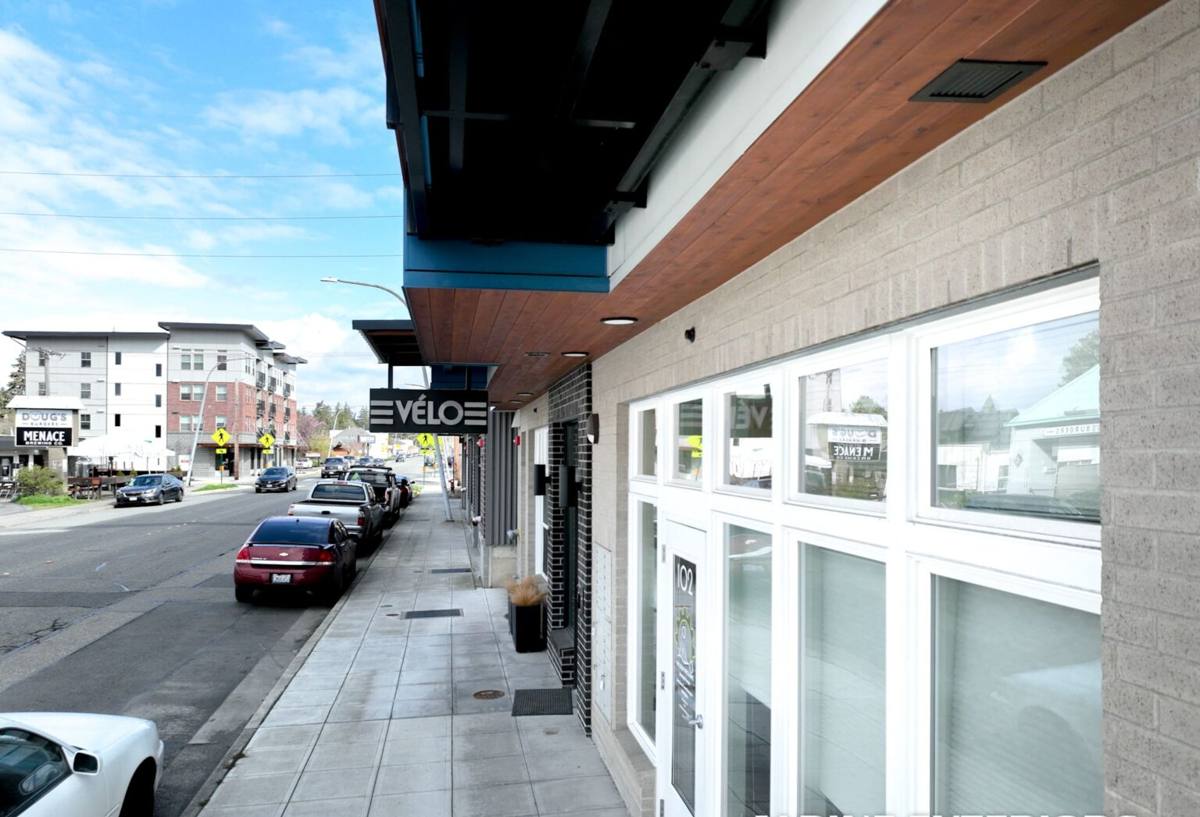
What Salt Air, Rain, and Moss Actually Do to a Window Over Time
Salt Air and Metal Components
Salt in the air accelerates corrosion on screws, hinges, balance systems, and any exposed metal cladding or trim. Once corrosion starts on hardware, windows get harder to open and close, weatherstripping compresses unevenly, and small gaps start letting in drafts and moisture that wouldn't otherwise be a problem.
Driving Rain and Water Intrusion
Wind-driven rain doesn't just fall on a window, it gets pushed into every seam and gap under pressure. If flashing, sill pans, and sealant weren't installed correctly the first time, water finds its way behind the trim and into the wall framing. That's usually invisible for years until you see soft trim, peeling paint, or a musty smell near a window opening.
Moss Season and Sustained Moisture
The long stretch of wet, low-light months that Skagit County gets every year keeps exterior surfaces damp far longer than a single rainstorm would. Moss and algae growth on siding and sills hold moisture against wood trim and window frames, which is exactly the condition that leads to rot if a window wasn't properly sealed and flashed when it went in.
Signs an Anacortes Home May Need Window Attention
- Windows that are hard to open, close, or lock, especially on the sides facing prevailing wind
- Visible corrosion or pitting on hardware, hinges, or metal cladding
- Soft or discolored trim and sills around the window opening
- Persistent condensation between panes, which usually means a failed seal
- Noticeable drafts or a cold spot near the window even when it's closed
- Moss or dark staining building up on the sill or the siding just below the window
- Paint that keeps failing in the same spot year after year despite repainting
What a Correct Window Installation Actually Involves
Replacing a window is not just removing an old sash and setting a new unit into the same opening. Done right, it's a water-management job first and a window-fitting job second.
Sill Pan and Drainage Path
Before a new window goes in, the opening needs a proper sill pan flashing that directs any water that gets past the window back outside the wall assembly rather than letting it pool at the framing. On a home exposed to driving rain off the water, skipping this step is one of the most common causes of hidden rot we find during replacements.
Flashing Integration with the Wall
The window's flashing has to integrate correctly with the house wrap or building paper above and around it, shingle-style, so water is always shed downward and outward. This is where a lot of poor installations go wrong, especially in retrofit situations where the original wall wasn't opened up far enough to do it properly.
Air Sealing and Insulation
The gap between the window frame and the rough opening needs to be sealed and insulated correctly, not just packed with whatever is on hand. Over-filling with expanding foam can bow a frame out of square; under-sealing leaves a draft path. Low-expansion foam or backer rod and sealant, applied correctly, keeps the window operating smoothly for years.
Level, Plumb, and Square
A window that's out of square binds, doesn't lock properly, and stresses the seals prematurely. Shimming and fastening need to be checked at every corner, not just eyeballed once and caulked over.
Choosing a Frame Material for This Climate
There's no single "best" window material for every home, but some perform more predictably than others when salt air and sustained moisture are part of the picture.
| Frame Material | How It Handles Salt Air & Moisture | Maintenance Considerations |
|---|---|---|
| Vinyl | Does not corrode; performs well in coastal exposure | Low maintenance; check weep holes and seals periodically |
| Fiberglass | Very stable, resists warping and corrosion | Low maintenance; higher upfront cost |
| Aluminum-clad wood | Attractive, but cladding seams and fasteners are corrosion points near salt water | Requires attention to sealant condition and fastener corrosion over time |
| Bare wood | Handsome, but most exposed to moisture and rot in this climate | Highest maintenance burden; regular repainting and sealing required |
We tend to steer clients on exposed Anacortes lots toward vinyl or fiberglass for the frame itself, simply because there are fewer corrosion-prone metal components and fewer painted wood surfaces exposed directly to salt spray and driving rain. That's a maintenance-and-longevity recommendation, not a knock on wood-frame windows generally, and it's always a conversation based on your specific home, exposure, and preferences rather than a one-size answer.
Our Installation Process
- On-site assessment: We look at the existing openings, wall assembly, and any signs of past water intrusion before recommending anything.
- Product selection: We go over frame material, glazing options, and trim to match your home and your exposure to wind and water.
- Removal and opening inspection: Old windows come out and we check the framing and sheathing underneath for rot or damage before anything new goes in.
- Flashing and sill pan installation: This is the step that determines whether the job holds up long term, and we don't shortcut it.
- Window setting and fastening: Set level, plumb, and square, then fastened per manufacturer specifications.
- Insulation, sealing, and trim: Gaps sealed correctly, interior and exterior trim finished to match the home.
- Final check: Every window is opened, closed, and locked to confirm smooth operation before we call the job done.
Why a Crew That Already Works Anacortes Makes a Difference
Anacortes has a mix of housing stock, from older homes near the water to newer construction further from the shoreline, and the right approach can vary quite a bit between them. A crew that regularly works this part of Skagit County has already seen how salt air affects hardware over a few winters, which sides of a house tend to take the worst of the driving rain, and how moss and moisture behave on shaded, north-facing walls during the wet months. That familiarity means fewer surprises during the job and a better match between the window you choose and the conditions it actually has to survive. It also means we're not guessing at flashing details or improvising for coastal exposure, we're applying what already works on homes like yours in this area.
What Affects the Cost of a Window Installation
| Factor | Why It Matters |
|---|---|
| Frame material | Vinyl, fiberglass, and clad-wood windows all carry different price points and long-term maintenance costs |
| Number and size of openings | More or larger windows mean more material, labor, and disposal |
| Condition of existing framing | Hidden rot or water damage found during removal adds repair work before the new window can go in |
| Exposure and wall assembly | Homes facing open water or prevailing wind may need more robust flashing and sealant detailing |
| Trim and finish work | Matching existing interior and exterior trim can add time compared to a standard trim package |
We give honest, itemized estimates so you know what's driving the number, rather than a flat per-window price that hides what you're actually paying for.
Keeping New Windows Performing After Installation
- Rinse salt residue off frames and hardware periodically, especially after winter storms
- Clear weep holes at the bottom of the frame so water can drain instead of pooling
- Check exterior caulking annually and touch it up before gaps widen
- Keep gutters and downspouts clear so roof runoff isn't running down over window trim
- Knock back moss and algae growth on sills and nearby siding before it holds moisture against the frame
- Operate locks and hardware a few times each season so hinges and balances don't seize up
A correctly installed window in this climate should need very little beyond that, but the small maintenance habits above go a long way toward getting the full lifespan out of the investment.
Get a Straightforward Estimate
If you're dealing with drafty, corroded, or water-damaged windows on your Anacortes home, or you're simply planning ahead before the next wet season sets in, we're happy to take a look and give you a clear, no-pressure estimate. There's no obligation, just an honest read on what your windows need and what it would take to do the job right. The form below is the easiest way to get started.