 Burlington
 New-Construction Windows Are a Different Job Than Replacement
When a home is being built from the studs out, window installation happens before the siding goes on and while the weather-resistive barrier (WRB) is still exposed. That's a very different job from popping an old window out of a finished wall and dropping a new one in. New-construction windows use a nailing fin that gets integrated directly into the wall's water management system — the housewrap, the flashing tape, and the sill pan all have to work together in a specific order, or the window becomes the weak point in the whole building envelope for the next thirty-plus years.
For homes going up in Anacortes, that sequencing matters more than it does in a lot of places. This is a peninsula town surrounded by saltwater, and the same maritime exposure that makes it a beautiful place to build also puts real stress on window openings from day one.
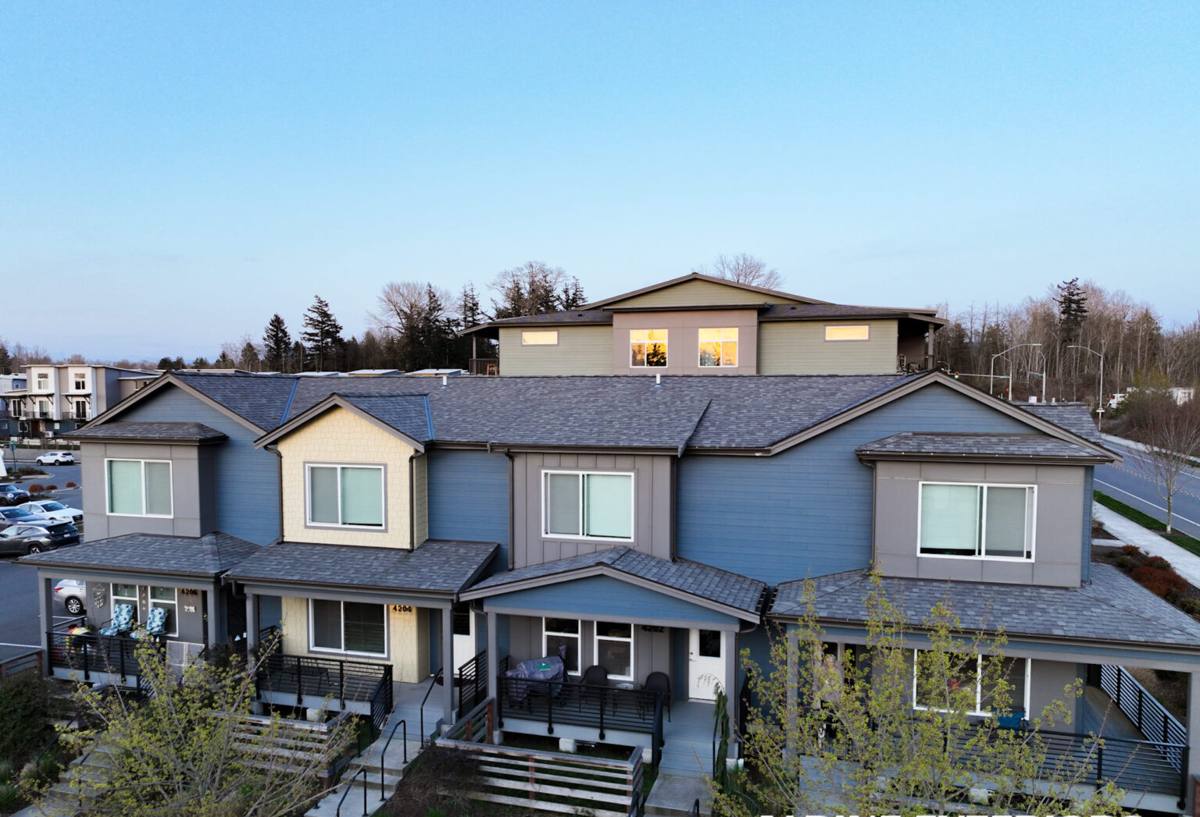
What Anacortes' Climate Actually Demands
Salt Air and Coastal Exposure
Homes close to the water in and around Anacortes deal with airborne salt that settles on exterior surfaces and accelerates corrosion of unprotected metal — fasteners, hinges, cranks, and cheap flashing all suffer faster here than they would fifteen or twenty miles inland. That's a material selection issue as much as an installation issue: the wrong hardware or flashing metal can start showing pitting and staining well before the window itself is due for any attention.
Driving Rain and Wind
Skagit County gets its share of wind-driven rain off the water, and driving rain doesn't just fall — it gets pushed sideways into wall assemblies and window openings under pressure. A flashing detail that would hold up fine in a calm rain event can fail under wind-driven conditions if the laps aren't shingled correctly or the sill pan doesn't have a real back dam and slope to the exterior.
Moss Season and Long-Term Moisture
The long wet season this region is known for keeps humidity and surface moisture around window openings elevated for months at a time. That's exactly the environment where a bad flashing detail turns into hidden rot instead of a visible leak — the water gets in slowly, behind the WRB, and you don't see it until siding or trim comes off for another reason. Moss and organic growth on north-facing and shaded elevations are a sign of that same persistent moisture, and it's worth treating window flashing as part of the same conversation as roof and siding moisture management, not a separate item.
Window Materials and What They Mean for This Exposure
There's no single "best" window for every home, but some materials are a better match for salt air and sustained moisture than others. Here's how the common options compare for new construction in this area:
| Material | Coastal/salt-air performance | Maintenance | Notes |
|---|---|---|---|
| Vinyl | Good — won't corrode or rust | Low — occasional cleaning | Most common choice for new builds on cost and performance balance |
| Fiberglass | Very good — dimensionally stable, resists salt exposure well | Low | Higher upfront cost, holds up well over decades |
| Aluminum-clad wood | Fair to good if hardware and cladding seams are well maintained | Moderate to higher | Attractive interior wood look, but seams and hardware need attention near saltwater |
| Bare aluminum frame | Poor near saltwater without a protective finish | Higher | We generally steer new-construction clients away from unclad aluminum this close to the water — corrosion risk isn't worth it |
We'll talk through frame material with you based on the specific elevation and exposure of the home, not just a catalog recommendation. A window on a sheltered, inland-facing wall doesn't need the same spec as one facing open water and prevailing wind.
Getting the Flashing Sequence Right
Sill Pan First
Every rough opening should get a sill pan — a sloped, back-dammed barrier at the bottom of the opening that directs any water that gets past the window itself back out to the exterior, not down into the wall framing. This is the single most important step in the whole installation and the one that's easiest to shortcut on a tight schedule.
Shingle-Lap Order
Flashing tape and WRB have to be layered so each piece overlaps the one below it, shingle-style, so water is always directed downward and outward. Side flashing goes over the sill pan; head flashing goes over the side flashing and under the WRB above the window. Get that order backwards anywhere and you've built a path for water to travel behind the cladding.
Sealant Placement
Sealant has a job at the window perimeter, but it's a backup to good flashing, not a replacement for it. We're careful about where sealant goes and, just as important, where it doesn't — a fully sealed perimeter with no way for incidental moisture to drain back out can trap water instead of shedding it.
Working Within a New-Construction Schedule
Window installation on a new build has to slot into the framing and dry-in sequence correctly — installed too early and the opening isn't ready; too late and it holds up siding, roofing, and interior trades waiting on a dried-in building. We coordinate directly with the builder or general contractor's schedule so windows go in at the right point in the sequence, get inspected if required, and don't become the bottleneck that pushes the whole project back. If you're a homeowner working with your own GC, we're glad to work as a sub on their timeline; if you're building without a GC managing that piece, we can walk you through where windows fit in the overall sequence.
Our Installation Process
- Review rough opening sizes and window schedule against actual jobsite framing before delivery
- Inspect WRB coverage and confirm it's ready to integrate with window flashing
- Install sill pan flashing with proper slope and back dam at every opening
- Set window plumb, level, and square, shimmed per manufacturer spec
- Fasten through the nailing fin per manufacturer schedule — not just "enough to hold it"
- Apply side and head flashing in correct shingle-lap order, integrated with the WRB
- Check operation of every sash, casement, or slider before moving to the next opening
- Document flashing details before they're covered by siding, for your records
That last step matters more than it sounds like it should. Once siding goes on, the flashing behind it is invisible for the life of the house unless something goes wrong. Having a clear record of what was done and how gives you and any future owner something concrete if a question ever comes up.
Why a Crew That Already Works Anacortes Matters
Anacortes sits in its own microclimate within Skagit County — closer to open water, more direct salt exposure, and wind patterns that differ from inland Burlington or Mount Vernon job sites. A crew that installs windows across this specific coastline regularly recognizes which elevations need extra attention, which hardware holds up and which doesn't, and how the local wet season actually behaves against a new wall assembly — not just what a manufacturer's install guide says in general terms. That local pattern recognition is hard to get from a crew that only passes through the area occasionally.
We also carry the practical advantage of being a known quantity to local building departments and builders in this part of Skagit County, which tends to keep inspections and scheduling moving without surprises.
What Affects the Cost
New-construction window pricing depends on more than the sticker price of the units themselves. The main variables we walk through with clients are:
- Number of openings and total window package size for the home
- Frame material — vinyl, fiberglass, or clad wood — and glass package chosen
- Wall assembly complexity (siding type, WRB system, exterior detailing)
- Elevation exposure — a wall facing open water and prevailing wind may warrant upgraded flashing details compared to a sheltered elevation
- Access and staging conditions on the jobsite during the build phase
- Coordination requirements with the builder's overall schedule
We're straightforward about these trade-offs rather than pushing the most expensive option by default — a well-flashed vinyl window installed correctly will outperform a premium window installed carelessly, every time.
Get an Estimate
If you're building or planning a build in Anacortes and want a window installer who understands what this coastline does to an opening over time, we're happy to walk the plans with you. Reach out for a free, no-pressure estimate using the form below — no obligation, just a straight answer on what your project needs.