 Burlington
 Storm Damage Roof Repair for Alger Homes
Alger sits in a stretch of Skagit County where weather off the water and weather off the mountains both show up on the same roof. Homes here take wind-driven rain, salt-tinged air drifting in from Samish Bay and the Sound, and long stretches of shade from surrounding fir and cedar that keep roofs damp far longer than homes out in open country. That combination is hard on roofing materials in ways that aren't always obvious from the ground. A roof that looks fine from the driveway can already have lifted shingles, saturated underlayment, or moss working its way under the flashing.
This page is specifically about storm damage repair for Alger properties — not a general roofing overview. If a windstorm, heavy rain event, or falling debris has hit your roof, here's what actually needs to happen to fix it right, and what to expect from a crew that works this area regularly.
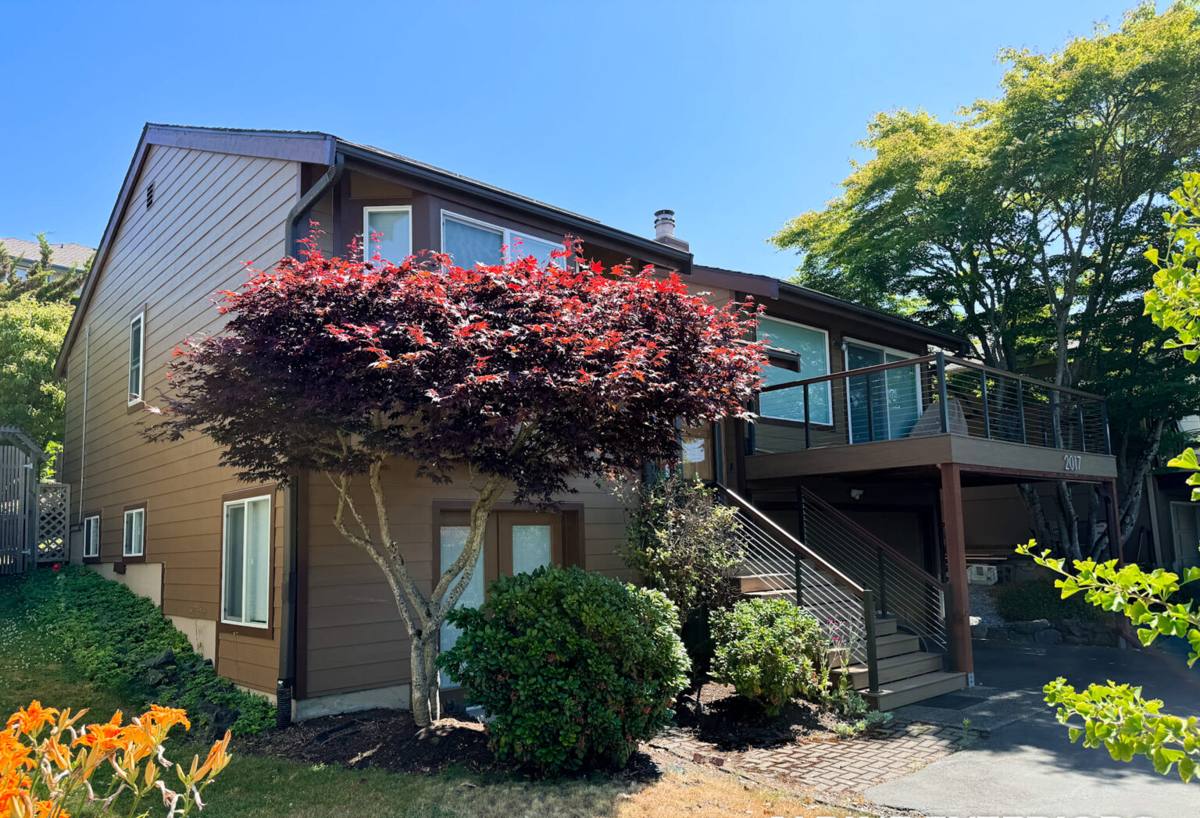
Why Alger Roofs Take a Different Kind of Beating
Three things stack up here that don't hit every neighborhood the same way:
Salt Air
Proximity to Samish Bay and the broader Puget Sound means airborne salt reaches roofing metal — flashing, fasteners, valley metal, gutter hardware — faster than it would further inland. Salt exposure accelerates corrosion on lower-grade metal and speeds up the breakdown of exposed fastener heads, which is exactly where small leaks tend to start after a storm.
Driving Rain
Storms coming off the Sound tend to arrive with wind, not just rain falling straight down. Wind-driven rain gets pushed sideways and upward under shingle edges, around chimney flashing, and into any gap that a calm-weather rain would never reach. This is why storm damage often shows up as a leak in a spot that never leaked before — the water didn't come from a hole, it came from wind pressure finding a weak point.
A Long Moss Season
Wooded lots with heavy fir and cedar cover keep roof surfaces shaded and slow to dry. Moss and moisture-loving growth get a head start here and hold onto roof decks longer into the year than they would on a roof with full sun exposure. Moss doesn't just look bad — it lifts shingle edges, holds water against the roof surface, and creates the exact conditions storm winds exploit.
What Counts as Storm Damage (Even When It's Not Obvious)
Not all storm damage looks like missing shingles. Some of the most common issues we find on Alger roofs after a wind or rain event include:
- Shingles that are lifted or creased but not torn off — they'll often reseal poorly on their own and keep leaking intermittently
- Granule loss on asphalt shingles, visible as bare, darker patches or grit collecting in gutters
- Flashing pulled loose or bent at chimneys, skylights, and roof-to-wall transitions
- Nail heads backed out or exposed after wind flex, creating tiny entry points for water
- Moss mats torn loose by wind, taking granules and shingle tabs with them
- Soft or discolored decking visible from the attic, indicating water has already gotten past the roof surface
- Debris strikes from falling branches, which can puncture shingles without leaving an obvious hole from ground level
Some of these are urgent, some can wait a few weeks. The point of an inspection is telling the difference before it becomes a ceiling stain.
What a Correct Storm Damage Repair Actually Involves
A repair done right isn't just replacing the shingles you can see. It means confirming the deck underneath is sound, the underlayment is intact past the visible damage, and the flashing and fastening are restored to a standard that holds up to the next storm — not just patched to pass a glance.
Matching, Not Just Covering
Where possible, we match existing shingle color, profile, and exposure so a repair blends in rather than reading as a patch. On older roofs where the original shingle line has faded or is discontinued, we'll tell you honestly what your options are rather than installing a mismatched patch and calling it done.
Checking Past the Damage Line
Wind and water damage often extends further than the visible tear. We check adjacent courses, the flashing runs feeding into the damaged area, and the decking underneath before closing anything back up. Repairing only what's visible and skipping this step is how "fixed" roofs leak again in the next storm.
Fastening for the Climate, Not Just the Code Minimum
Given the wind exposure and salt air common around Alger, we use corrosion-resistant fasteners and proper nailing patterns rather than the bare minimum. It costs a little more up front and saves you a repeat visit.
Our Process, From Call to Closed-Up Roof
1. Inspection and Documentation
We get on the roof (or use a camera where pitch or safety doesn't allow it), assess the full scope, and document what we find with photos. This matters both for your own records and for insurance if you're filing a claim.
2. Temporary Protection If Needed
If there's an active leak or exposed decking, we'll tarp or dry-in the area to stop water intrusion before scheduling the full repair — especially important during an active storm pattern when the next system might already be a few days out.
3. Scope and Straight Answer on Repair vs. Replace
We'll tell you plainly whether this is a targeted repair, a larger section replacement, or — if the roof is old and the storm just exposed problems that were already there — a conversation worth having about full replacement. We don't upsell storm calls into replacements that aren't warranted.
4. The Work Itself
Removal of damaged material, deck inspection and repair where needed, new underlayment in the affected area, correct flashing work, and shingle or roofing material installation matched to your existing roof.
5. Cleanup and Final Check
Magnetic sweep for nails, debris removal, and a final walk-through so you know exactly what was done and what to watch for going forward.
Repair vs. Replace: What Actually Drives the Decision
| Factor | Leans Toward Repair | Leans Toward Replacement |
|---|---|---|
| Roof age | Under 12-15 years, asphalt shingle | Nearing or past manufacturer's expected service life |
| Extent of damage | Localized to one section or slope | Multiple slopes or widespread granule loss |
| Underlying deck condition | Sound, dry decking under the damage | Soft, delaminated, or repeatedly wet decking |
| Moss and moisture history | Minimal, recently maintained | Long-term moss buildup with underlying wear |
| Material availability | Existing shingle line still available or close match exists | Discontinued line with no reasonable match |
| Cost range | Often a few hundred to low thousands for a targeted repair | A full replacement is a larger, longer-term investment |
These are general guidelines, not a formula — the right call depends on what we actually find on your roof. We'll walk you through our reasoning rather than just handing you a number.
Storm Damage and Insurance Claims
If you're filing a homeowner's insurance claim for storm damage, documentation matters more than almost anything else. We provide detailed photos and a written scope of damage that you can hand to your adjuster. What we won't do is tell you your roof has "storm damage" when what we're actually looking at is age-related wear that happened to get exposed by a storm — that distinction affects whether a claim is even appropriate, and it's not our call to make it look otherwise.
Why It Matters That We Already Work in Alger
Storm damage repair is often time-sensitive — a tarp that needs to go up before the next system rolls through, or a leak that's actively reaching drywall. A crew that's already working in and around Burlington and the surrounding Skagit County communities can respond faster than one dispatching from further away, and that response time is often the difference between a contained repair and a bigger drywall and insulation job.
There's also a familiarity factor. Crews who've worked a number of Alger-area roofs know how the tree cover, wind exposure, and salt air here tend to show up as wear patterns — where moss tends to build first, which flashing details fail earliest, what fastener corrosion looks like at this stage versus further along. That's not something you can fully substitute with a generic inspection checklist.
Homeowner Checklist: After a Storm Hits
- Check the attic (if accessible) for new water stains, damp insulation, or daylight coming through the decking
- Look at gutters and downspouts for shingle granules, which indicate accelerated wear or fresh damage
- Walk the property line and look up — visible missing shingles, bent flashing, or debris on the roof
- Note any new interior stains, ceiling discoloration, or musty smell in upper rooms or closets
- Photograph anything you can see safely from the ground before cleanup or a tarp goes up
- Avoid climbing onto a wet or storm-damaged roof yourself — flashing and decking can be compromised in ways you can't see
- Call for an inspection promptly if you suspect damage — small entry points get worse with every additional rain event
Reducing Storm Damage Before the Next One Hits
Between storms, the biggest thing Alger homeowners can do is stay ahead of moss and keep flashing and fasteners in good condition. Periodic moss treatment and removal, keeping gutters clear so wind-driven rain has somewhere to go, and trimming back branches that overhang the roofline all reduce how much damage a given storm can actually do. None of this eliminates storm risk in a climate like this one, but it narrows the gap between "roof handled it fine" and "roof needs a repair crew."
If you've had a storm come through and want a straight, no-pressure look at what your roof actually needs, we're glad to come take a look. There's a form below to get a free estimate started.