 Burlington
 Window Replacement Built for Clear Lake's Conditions
Clear Lake sits just outside Burlington in Skagit County, close enough to the water to catch salt-laden air off the Sound and far enough inland to get the full brunt of driving rain rolling off the foothills. That combination is hard on windows. Wood sashes swell and stick. Aluminum frames pit and corrode. Old caulk lines fail quietly behind trim, and nobody notices until a windowsill is soft or a bedroom smells musty every winter. If you own a home in or near Clear Lake, your windows are working harder than windows in a drier inland climate, and replacing them correctly means accounting for that from the start.
This page is about window replacement specifically for homes in the Clear Lake area — what the local climate demands, what a proper installation actually involves, and how we approach the job when we're already out this way.
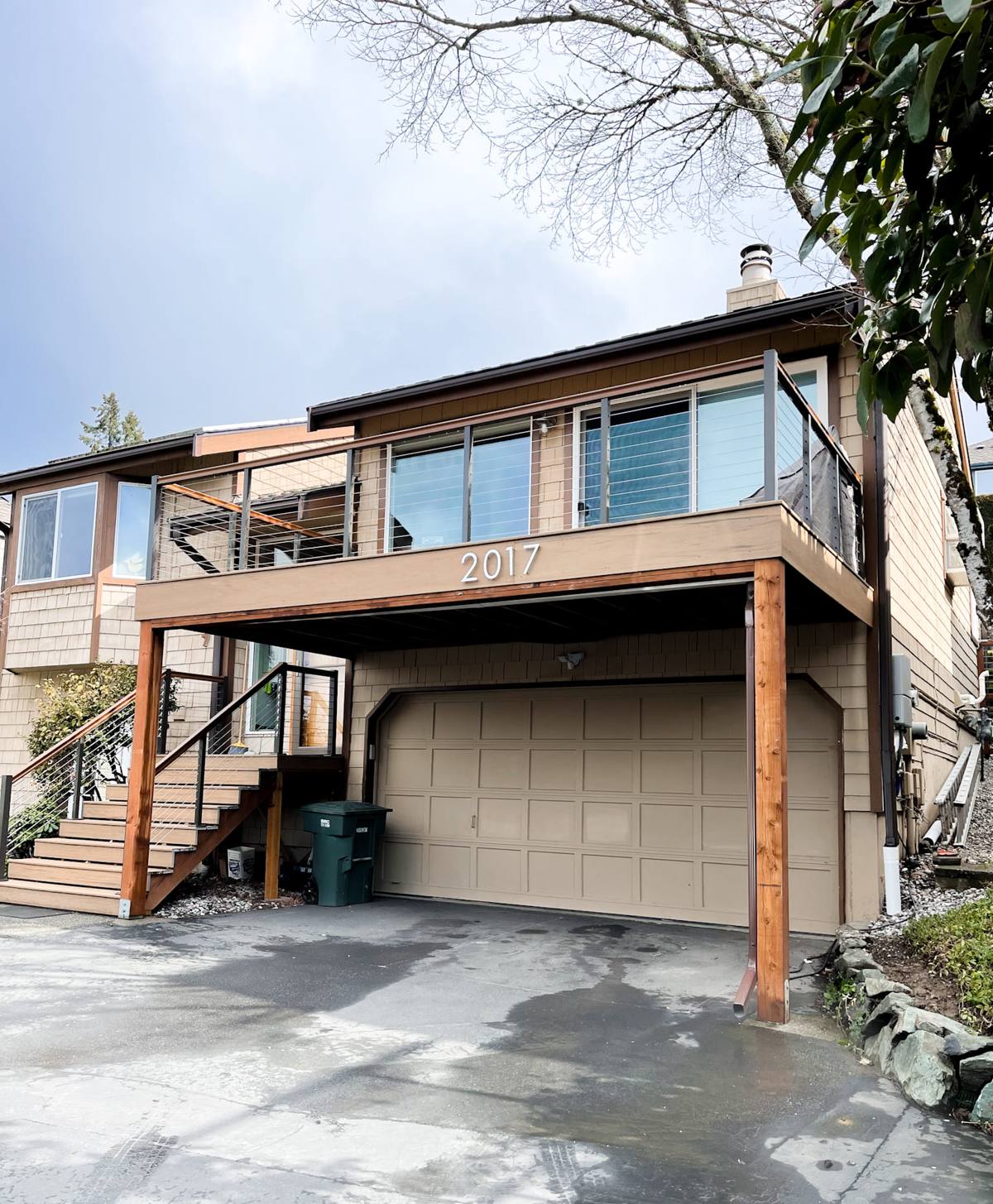
What Skagit County Weather Does to Windows Over Time
Salt Air and Metal Fatigue
Even inland from the immediate coastline, Skagit County gets enough salt-carrying air that unprotected or poorly coated metal hardware — hinges, locks, balance systems — corrodes faster than manufacturers' specs assume for a "standard" climate. Cheaper window lines often use hardware rated for general use, not coastal exposure, and it shows up as stiff cranks, locks that won't seat, and pitted frames within a decade.
Driving Rain and Wind-Driven Moisture
Rain here rarely falls straight down. Wind pushes it sideways against west- and south-facing walls, which means water finds its way into any gap in flashing, sealant, or window-to-wall transitions that a calmer climate might tolerate. A window that's slightly out of level or under-flashed in Phoenix might never leak. The same window in Clear Lake will leak — it's just a matter of time and how many storms it takes.
Moss, Shade, and Trapped Moisture
Clear Lake's tree cover and lake-adjacent humidity mean moss and algae get a long growing season on north-facing siding, trim, and sills. Moss holds moisture against wood and painted surfaces far longer than open sun exposure would. Around windows, that translates to slower-drying sills, more paint failure, and — on older wood-frame windows — rot that starts from the outside and isn't visible until it's advanced.
Signs Your Clear Lake Home Needs Window Replacement
- Sashes that stick, won't stay open, or have gone out of square
- Visible condensation or fogging between panes (failed seal on double-glazed units)
- Soft, dark, or spongy wood at the sill or bottom corners of the frame
- Persistent drafts you can feel with a hand near the frame on a windy day
- Paint that bubbles or peels repeatedly around the window despite repainting
- Moss or black staining building up on the sill or exterior casing
- Noticeably higher heating bills in a room compared to the rest of the house
- Difficulty locking a window fully, or hardware that's rusted or seized
What a Correct Installation Involves
Replacing a window is not just pulling the old unit and dropping in a new one. In a climate like this, the details around the window matter as much as the window itself.
Flashing and Water Management
Every replacement window needs a proper flashing sequence — sill pan, side flashing, and head flashing integrated with the house wrap or building paper so water is directed out and down, never trapped behind the frame. This is the single most common thing done poorly on rushed jobs, and it's the reason a window that looks fine on the outside can still be causing hidden rot inside a wall.
Air Sealing and Insulation
The gap between the window frame and the rough opening needs to be sealed with a material that stays flexible through temperature swings and doesn't compress or crack over time. Packed-too-tight fiberglass or gaps left open both cause problems — one restricts the window, the other lets air and moisture through.
Level, Plumb, and Square
A window installed slightly out of square will bind, won't seal evenly, and puts uneven stress on the frame that shows up as premature hardware failure. This takes more time to get right than most people assume, especially in older homes where the original opening has settled or shifted.
Sealant and Trim Detail
Exterior sealant needs to be applied in the right locations — not everywhere, since sealing the wrong spots can trap moisture instead of shedding it. Trim and casing need to be reinstalled or replaced so the transition between window and siding sheds water rather than channeling it toward the frame.
Choosing Window Materials for This Climate
There's no single "best" window material — the right choice depends on the home, the budget, and how much maintenance you want to take on. Here's how the common options hold up under Clear Lake conditions specifically.
| Material | Performance in Salt Air / Rain | Maintenance | Notes |
|---|---|---|---|
| Vinyl | Good — won't corrode or rot, handles moisture well | Low — occasional cleaning | Most common choice for replacement work in this area; good value |
| Fiberglass | Very good — dimensionally stable, resists warping | Low | Higher upfront cost, holds up well long-term |
| Wood (clad exterior) | Fair — exterior cladding protects the wood, but any breach in the cladding lets moisture into the wood core | Moderate — depends on cladding integrity | We're selective about wood-core windows here specifically because of how unforgiving this climate is on any exposed or compromised wood surface |
| Aluminum | Poor to fair — prone to pitting and corrosion in salt air unless heavily coated | Moderate | Less common for residential replacement in this area for that reason |
We're upfront about the trade-offs on wood-clad units: they can look great, but the moment the cladding is scratched, punctured, or the seal at a joint fails, moisture gets into the wood underneath and you're dealing with a repair that's harder to catch early. In a drier climate that's a minor risk. Here, with the rain and moss season Clear Lake gets, it's a real maintenance commitment — not a defect in the product, just something worth knowing before you choose it.
Our Process for a Clear Lake Window Replacement
- On-site assessment. We look at each window individually — some rooms may need replacement now, others can wait. We also check for hidden water damage around existing frames while we're there.
- Honest scope and estimate. You get a clear breakdown of what's being replaced, what materials we're recommending and why, and a straightforward price — no pressure to do more than the house actually needs.
- Removal and opening inspection. Once the old window is out, we check the rough opening and surrounding framing for rot or moisture damage before anything new goes in. This is often where problems that caused the original failure get found and fixed.
- Flashing, install, and seal. New window set level and square, flashed correctly for water management, insulated, and sealed with attention to the details that matter in wind-driven rain.
- Trim and cleanup. Exterior trim finished, interior left clean, and a walk-through so you understand how the new windows operate and what (if anything) needs upkeep.
Cost Factors to Understand Before You Budget
| Factor | Why It Matters |
|---|---|
| Number and size of windows | Larger and custom-sized openings cost more than standard sizes |
| Material (vinyl, fiberglass, clad wood) | Upfront cost and long-term maintenance both shift with material choice |
| Condition of the existing opening | Rot or framing damage found during removal adds repair work before the new window goes in |
| Window style | Double-hung, casement, and slider units vary in cost and in how well they seal against wind-driven rain |
| Glass package | Higher-performance glass (better insulation, coatings) costs more but pays off on comfort and energy use in this climate |
| Number of stories / access | Second-story or hard-to-access windows take more time and labor |
We'd rather walk a homeowner through these factors honestly than quote a number that doesn't hold up once we're actually into the job. Broad ranges vary a lot by house, which is why we do an on-site look before giving a real number.
Why Local Experience with Clear Lake Homes Matters
A crew that regularly works around Burlington and Clear Lake already knows which window styles and details hold up to this specific stretch of Skagit County weather, versus what looks fine on paper but underperforms once it's faced a few winters of driving rain and a long moss season. We know which older homes in this area tend to have settled openings, which building styles are more prone to hidden moisture issues, and how to flash and seal a window so it's still performing the way it should years from now — not just at the walk-through.
That local knowledge also means fewer surprises during the job. We're not guessing at how the local climate will treat a given product; we've seen it hold up or fail over time on houses like yours, not far from where you live.
Ready to Talk About Your Windows?
If your windows in Clear Lake are drafty, sticking, fogged, or just old enough that you're wondering whether it's time, we're happy to take a look and give you a straight answer — whether that means full replacement, a partial fix, or waiting a season. Reach out for a free, no-pressure estimate using the form below.