 Burlington
 Window Installation for Bow Homes
Bow sits close to the water off Samish Bay, just outside Burlington, and that location shapes what a window has to survive here. Homes in this part of Skagit County take on a mix of salt-laden air, wind-driven rain off the bay, and a wet season that stretches for months at a time. Windows that would hold up fine twenty miles inland can fail early out here if they weren't installed with this specific exposure in mind. We work this stretch of the county regularly, and a large share of the window failures we get called out to inspect trace back to installation shortcuts, not the window unit itself.
This page covers what window installation actually involves when it's done right for a Bow property, what our process looks like, and what to weigh before you commit to materials or a contractor.
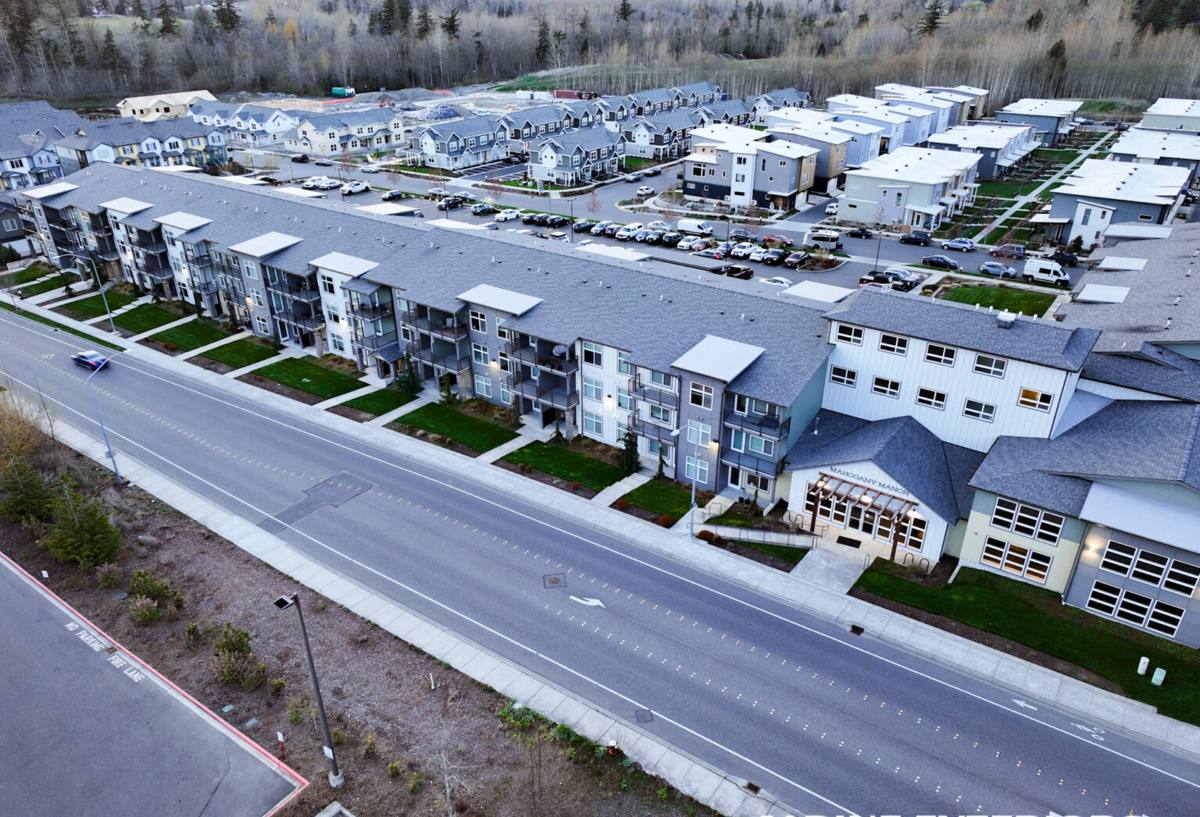
What Skagit County's Coastal Climate Does to Windows
Three things do most of the damage to windows in the Bow area over time, and all three are made worse by a bad installation rather than caused by it.
Salt Air
Being close to Samish Bay means airborne salt is a constant, low-level presence. It accelerates corrosion on hardware, fasteners, and any metal flashing that isn't properly rated or sealed. Aluminum-clad and vinyl components generally hold up better here than untreated steel hardware, and any exposed fasteners need to be corrosion-resistant from day one.
Driving Rain
Storms coming off the water don't fall straight down — they get pushed sideways into the wall, which means rain is hitting window edges and trim at an angle, not just the glass face. A window opening that isn't flashed and sealed to shed water outward, rather than trap it, will eventually let moisture into the wall cavity even if the window itself is a good one.
Long Moss and Wet Season
Western Washington's wet season runs long, and Bow's tree cover and humidity keep surfaces damp for extended stretches. Moss and mildew take hold anywhere water sits instead of draining — on sills, at the base of trim, and in gaps where caulking has failed. Persistent moisture at a window opening is one of the more common paths to hidden rot in the framing around it.
Signs a Bow Home Needs New Windows
Some warning signs are obvious. Others build slowly and get written off as normal wear until they've caused real damage. Walk your windows and check for these:
- Fogging or a permanent haze between panes on double or triple-glazed units — this means the seal has failed and the insulating gas has escaped
- Visible daylight or a draft you can feel at the frame edge with the window closed
- Soft, spongy, or discolored wood at the sill or surrounding trim
- Windows that are difficult to open, close, or lock, or that have dropped out of square
- Paint that's peeling or bubbling on interior trim near the window, often a sign of trapped moisture
- Visible mold or a musty smell concentrated near a specific window
- Noticeable condensation on the interior glass in cold weather, beyond normal humidity
- A jump in heating costs without another clear explanation
Any one of these on its own might be minor. Several together, especially on the side of the house facing the prevailing weather, usually means it's worth having the window and the framing around it looked at before you decide on replacement versus repair.
What a Correct Window Installation Actually Involves
The window unit itself is often the easy part. Most failures we see in this area come from what happens — or doesn't happen — around the opening.
Removal and Opening Prep
Removing the old window without damaging the rough opening, then inspecting the sill and framing underneath for rot or prior water damage. Any compromised wood gets addressed before a new window ever goes in — installing over hidden damage just seals the problem inside the wall.
Flashing
Flashing is layered — sill pan, sides, and head — so that any water that does get behind the trim is directed back out, not down into the wall cavity. This is the single most important step for a house exposed to driving rain, and it's also the step most often rushed or skipped on cut-rate installs.
Air and Water Sealing
Sealing the gap between the window frame and the rough opening with the right combination of sealant and backer material, insulated so the seal doesn't just block air but also limits condensation risk at the frame edge.
Leveling and Fastening
A window that isn't shimmed level and square will bind, won't lock properly, and puts uneven stress on the seals — which shortens the life of the unit regardless of how good the glass and frame are.
Exterior Trim and Finish Sealing
The visible caulk line at the trim is the last line of defense, not the first. It matters, but it's not a substitute for correct flashing underneath — a common shortcut is heavy caulking that hides a flashing job that wasn't done.
Choosing Materials and Glass for This Climate
There's no single "best" window material — the right choice depends on budget, sun exposure, and how much maintenance you want to take on. Here's how the common options hold up for a Bow property's coastal, wet-season conditions:
| Frame Material | Coastal/Moisture Performance | Maintenance | Typical Lifespan |
|---|---|---|---|
| Vinyl | Good — won't rust or rot; performs well near salt air | Low; occasional cleaning | 20-30 years |
| Fiberglass | Very good — dimensionally stable, resists moisture and corrosion well | Low | 30-40 years |
| Aluminum | Fair — can corrode over time near salt air unless properly coated | Low to moderate | 20-30 years |
| Wood | Requires diligence — beautiful but vulnerable to rot if finish isn't maintained | High; refinishing needed periodically | Varies widely with upkeep |
| Wood-clad (exterior-clad wood) | Good — cladding shields the wood from weather exposure | Moderate | 25-35 years |
For most Bow homes, we steer clients toward vinyl or fiberglass on weather-facing walls specifically because they don't give the salt-air-plus-moisture combination anything to corrode or rot. Solid wood units can still make sense on protected elevations where a homeowner wants the look and is willing to keep up with finish maintenance — that's a legitimate choice, just an honest trade-off between appearance and upkeep, not a product we'd steer anyone away from outright.
Glass Package
Double-pane, low-E glass is the practical baseline for this climate — it cuts heat loss and helps control condensation on the interior pane during cold, damp stretches. Triple-pane is worth discussing on north- or west-facing rooms that catch the worst of the wind and rain, though it adds cost and weight that isn't necessary on every elevation.
Our Process, Start to Finish
- Estimate and measurement. We look at each opening, note the exposure and condition of the surrounding trim and framing, and measure precisely rather than working off rough numbers.
- Product selection. We walk through material and glass options against your budget and how exposed that particular wall is to wind-driven rain.
- Removal and inspection. Old units come out carefully, and we check the sill and framing for hidden rot or past water intrusion before anything new goes in.
- Flashing and sealing. Sill pan, side, and head flashing go in correctly, layered to shed water outward, followed by proper air sealing and insulation at the frame gap.
- Setting and fastening. The window is shimmed level and square and fastened per the manufacturer's specifications so the seals aren't put under uneven stress.
- Exterior finish. Trim is finished and sealed with a caulk line rated for this climate — as the final layer of protection, not the only one.
- Final walkthrough. We test operation and locking on every window and walk the job with you before we call it done.
What Affects the Cost of a Window Installation
| Factor | Why It Matters |
|---|---|
| Number of windows | Per-unit cost typically drops as the job scope grows |
| Frame material | Vinyl is generally the most budget-friendly; fiberglass and wood-clad cost more upfront |
| Glass package | Double-pane low-E is standard; triple-pane or specialty coatings add cost |
| Opening condition | Rot repair or reframing at the opening adds labor beyond the window itself |
| Window size and style | Larger units, custom shapes, or operable styles like casements cost more than standard sliders or single-hungs |
| Access and elevation | Second-story or hard-to-reach windows take more time and equipment |
We give straight, itemized estimates so you can see what's driving the number, rather than a flat quote that hides where the money's going.
Why a Crew That Already Works Bow Matters
A window installer who mainly works drier, inland areas doesn't always think about sill pan flashing or corrosion-resistant hardware as a default — because in their normal working conditions, cutting that corner doesn't show up as a failure for years. Out here, it shows up faster. We work this part of Skagit County regularly, so accounting for salt air, driving rain, and a long wet season isn't an upgrade we mention to upsell you — it's just how we build the job from the start.
That local familiarity also means we're not guessing at what "normal" looks like for a Bow property. We know what moss buildup on a north-facing sill usually means, what a few seasons of unaddressed condensation does to interior trim, and which elevations on a typical property take the worst of the weather. That context shapes the recommendation we give you, not just the installation itself.
Get a Straight Answer on Your Windows
If you're dealing with drafty, foggy, or hard-to-operate windows on your Bow property — or you just want an honest read on whether repair or replacement makes more sense — we're glad to take a look. Reach out for a free, no-pressure estimate using the form below.