 Burlington
 Siding Built for Blanchard's Salt Air and Moss
Blanchard sits in that stretch of Skagit County where the terrain does a lot of the talking: wooded lots, proximity to Samish Bay and the broader Puget Sound, and hillsides that hold shade and moisture longer than open ground. That combination is hard on exterior siding. Salt-laden air moves in off the water, rain comes in sideways more often than most homeowners expect, and shaded rooflines and walls stay damp long after a storm has passed. A siding replacement here isn't just a cosmetic upgrade — it's a chance to put the right material on the house, installed the right way, so it actually holds up to what this specific location throws at it.
This page is about one job in one area: replacing tired, failing, or wrong-for-the-climate siding on Blanchard homes. We'll walk through what the local climate does to siding over time, what a correct replacement actually involves, and why we install James Hardie fiber cement exclusively rather than offering a menu of materials.
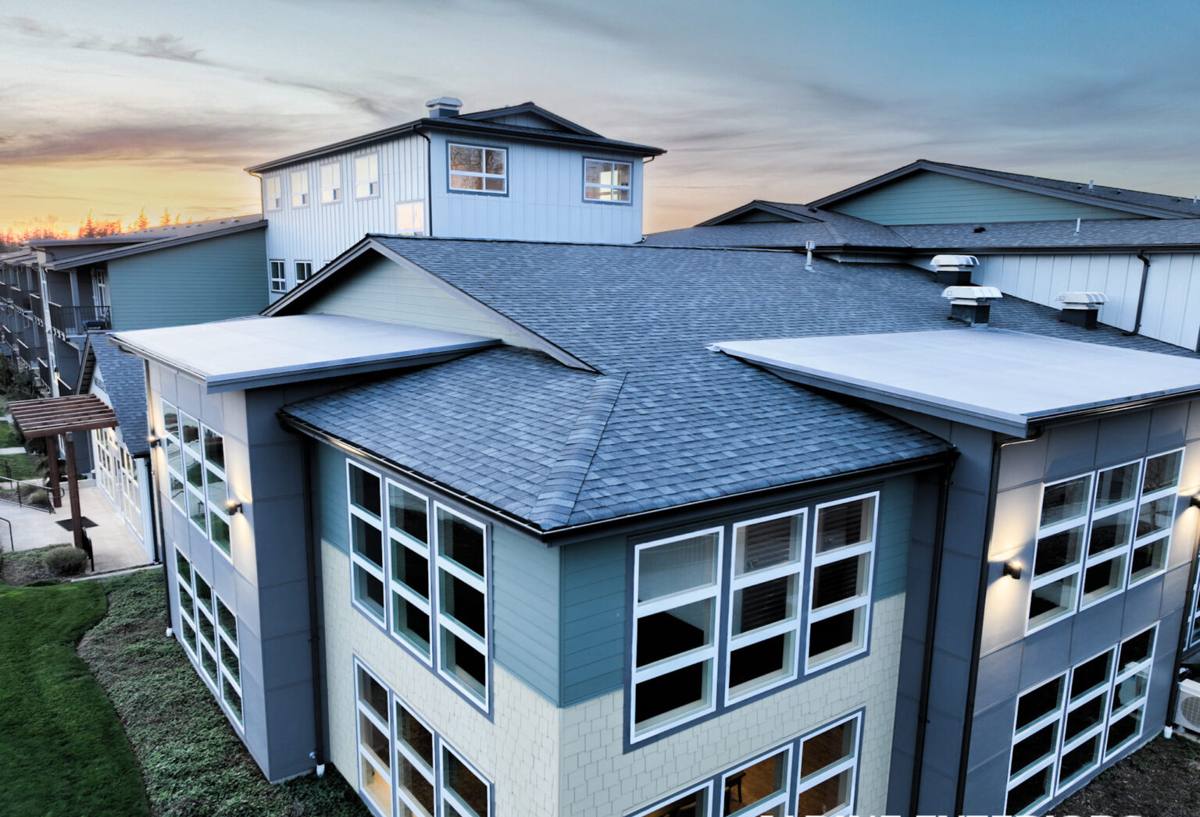
What Blanchard's Climate Does to Exterior Siding
Salt Air and Corrosion
Homes closer to Samish Bay and the Sound take on airborne salt that settles on exterior surfaces. Over years, that salt exposure accelerates corrosion of fasteners, trim flashing, and lower-grade cladding materials, and it degrades paint and finishes faster than inland exposure would. Siding and the fasteners holding it need to be chosen and installed with that in mind, not treated the same as a house forty miles inland.
Driving Rain and Moisture Intrusion
Skagit County gets sustained, wind-driven rain, and Blanchard's exposure means walls can take rain at an angle for hours at a time. Siding that isn't installed with correct overlaps, flashing, and clearances lets water track behind the cladding and into the wall assembly. Once that happens, the damage is often invisible from the outside until sheathing or framing is already compromised.
Shade, Moss, and Organic Growth
Wooded lots and hillside shade keep siding surfaces damp longer after rain, which is exactly what moss, algae, and mildew need to take hold. On porous or absorptive siding materials, that moisture doesn't just sit on the surface — it gets pulled in, which can lead to swelling, delamination, or rot depending on the material. A long moss season isn't just an appearance issue; it's a sign of how much water exposure the siding is dealing with year-round.
Signs a Blanchard Home Needs Siding Replacement
Not every siding problem means a full replacement, but in this climate, small issues tend to compound quickly if they're left alone. Look for:
- Soft, spongy, or bubbling spots when you press on the siding, especially near the bottom edges and window trim
- Persistent moss or algae staining that comes back within weeks of cleaning
- Visible gaps, warping, or boards pulling away from the wall
- Peeling or chalking paint that keeps recurring despite repainting
- Rust streaking from fasteners or trim, especially on the sides of the house facing the water
- A musty smell or visible staining on interior walls that share an exterior wall with problem siding
Any one of these on its own might be a repair. Several at once, or damage that keeps returning after patching, usually means the siding system itself has reached the end of what it can handle in this environment.
Why We Only Install James Hardie Fiber Cement in This Climate
We don't offer vinyl, LP SmartSide, primed spruce, cedar, or other fiber cement brands, and that's a deliberate standard, not a limitation of what we know how to install. In an environment with salt air, driving rain, and long damp seasons, the material matters as much as the installation. James Hardie fiber cement is non-combustible, engineered for moisture resistance, and available in HZ5 formulations built specifically for climates like Western Washington's. The factory-applied ColorPlus finish is baked on under controlled conditions, which holds up better against UV and moisture cycling than field-applied paint.
| Consideration | James Hardie Fiber Cement | Vinyl / Wood-Based Alternatives |
|---|---|---|
| Moisture behavior | Engineered to resist swelling and moisture absorption when installed to spec | Wood-based products can absorb and swell; vinyl can warp or gap in temperature swings |
| Salt air exposure | Fiber cement composition resists salt-driven degradation | More susceptible to finish breakdown and material fatigue near salt air |
| Fire performance | Non-combustible material | Combustible (wood-based); vinyl can deform under heat |
| Finish longevity | Factory-baked ColorPlus finish resists fading and chalking | Field-applied or lower-grade finishes often need repainting sooner |
| Warranty structure | Strong transferable manufacturer warranty on the product | Varies widely; often shorter or non-transferable |
This isn't a knock on every other product on the market — vinyl and wood-based sidings have their place and their own honest trade-offs in maintenance, moisture sensitivity, or installation forgiveness. We simply won't put our name on a job using a material we don't think performs well against Blanchard's specific combination of salt air, rain, and shade. Hardie is what we've standardized on because it holds up to that combination when installed correctly.
What a Correct Siding Replacement Actually Involves
The material is only half the equation. A siding replacement is only as good as the installation underneath it, and that's where a lot of siding problems actually start.
Tear-Off and Sheathing Inspection
Old siding comes off first, which is also the point where hidden moisture damage gets found. Sheathing that's soft, delaminated, or rotted needs to be repaired or replaced before anything new goes up — covering damaged sheathing with new siding just hides the problem for a few more years.
Weather-Resistive Barrier and Flashing
A correctly installed weather-resistive barrier, with properly lapped and sealed seams, is what actually keeps wind-driven rain out of the wall assembly. Window, door, and penetration flashing has to be integrated with that barrier in the right order — flashing installed on top of siding instead of underneath it is one of the most common causes of hidden leaks.
Fastening and Clearances to Manufacturer Spec
James Hardie publishes specific fastening patterns, gap requirements, and ground clearances for a reason — deviating from them is one of the fastest ways to void the warranty and shorten the life of the siding. That includes clearance from grade, roof lines, decks, and other siding-to-trim intersections where water tends to concentrate.
Caulking and Joint Treatment
Not every seam should be caulked, and over-caulking can trap moisture just as easily as under-caulking lets it in. Correct joint treatment follows the manufacturer's installation guide, not a one-size-fits-all approach.
Our Siding Replacement Process in Blanchard
- On-site assessment — we look at the existing siding, sheathing condition, drainage, and how the home is exposed to prevailing wind and rain direction.
- Scope and product selection — we walk through the right James Hardie product line and profile for the home, including HZ5 considerations for this climate.
- Site prep and protection — landscaping, walkways, and adjacent surfaces get protected before tear-off begins.
- Tear-off and sheathing repair — old siding comes off, sheathing gets inspected, and any moisture damage is addressed before new material goes up.
- Barrier, flashing, and installation — weather-resistive barrier, flashing, and siding installed to manufacturer spec, with fastening and clearances checked as we go.
- Cleanup and final walkthrough — job site cleaned up, and we walk the finished exterior with the homeowner before considering the job done.
- Warranty registration — product warranty registered so it's on file and transferable if the home sells.
Cost Factors for a Blanchard Siding Replacement
Every home is different, and we won't quote a number without seeing the house, but the same factors tend to drive cost up or down on most Blanchard projects:
| Factor | Why It Matters |
|---|---|
| Home size and wall complexity | More square footage and more corners, gables, and dormers mean more labor and material |
| Condition of existing sheathing | Rot or moisture damage found during tear-off adds repair scope before new siding can go on |
| Siding profile and trim detail | Lap siding, shingle-style panels, and trim boards each carry different labor requirements |
| Site access | Wooded or sloped lots, common in this area, can affect staging, scaffolding, and material handling |
| Existing material removal | Some materials come off faster and cleaner than others, which affects tear-off time |
Why Hiring a Crew That Already Works in Blanchard Matters
A siding crew that regularly works this part of Skagit County already understands how the wind and rain typically hit a wall here, which sides of a house tend to take the worst of the moss and moisture, and how to work around the wooded, sometimes sloped lots that are common in Blanchard. They're also familiar with Skagit County permitting requirements and inspection expectations, which keeps the project moving instead of stalling on paperwork. That local familiarity shows up in the details — flashing choices, ventilation planning, and material selection — not just in showing up on time.
Get a Free, No-Pressure Estimate
If your Blanchard home is showing signs of siding failure, or you're just planning ahead before the next wet season, we're happy to take a look and give you an honest assessment — no pressure, no obligation. Use the form below to request a free estimate.