 Burlington
 Siding Built for Edison's Particular Climate
Edison sits low in the Skagit Valley, close enough to the tidal flats and open water that homes here take on a different kind of weather than you'd get further inland in Burlington or up toward Sedro-Woolley. Salt-laced marine air moves through regularly, driving rain comes off the water sideways more often than straight down, and the shaded, damp stretches of the year run long. Add in the farmland humidity that settles over the valley floor, and you've got a set of conditions that will find every weak point in a siding system — fast.
This isn't a page about siding in general. It's about what siding installation actually needs to look like on an Edison home, given this specific mix of salt, moisture, and moss pressure, and what our crew does differently because we've worked this area before.
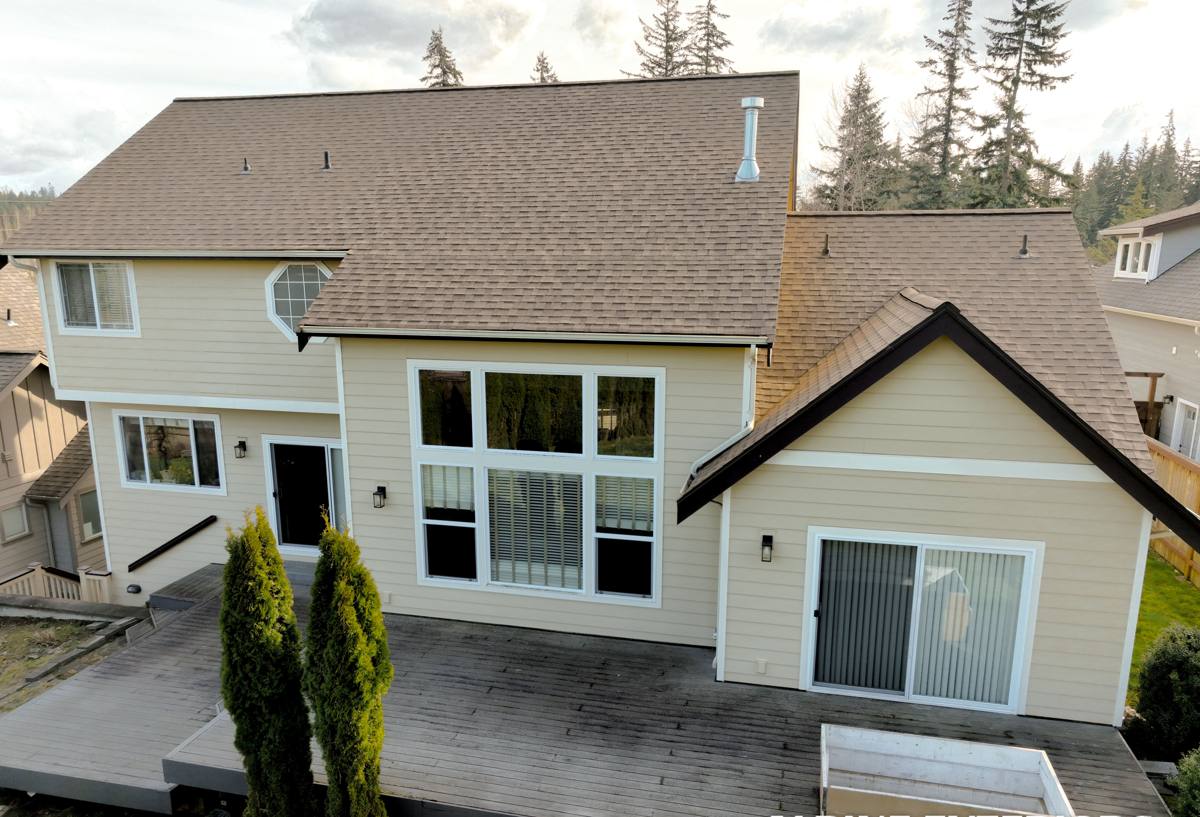
Why Edison Homes Are Harder on Siding Than People Expect
Salt Air and Metal Fasteners
Airborne salt from the nearby bay doesn't just affect boats and outdoor metal — it accelerates corrosion on fasteners, flashing, and trim hardware over years of exposure. Siding systems that rely on lower-grade fasteners or skip corrosion-resistant hardware tend to show staining and loosening well before a homeowner expects a "20-year" product to need attention.
Driving Rain and Wind-Driven Moisture
Rain that comes in at an angle off open water pushes water into laps, seams, and butt joints that would stay dry in a more sheltered inland lot. Any gap in the water-resistive barrier, any short flashing detail, or any siding product that swells or wicks moisture at the cut edge becomes a slow, hidden leak path rather than an obvious one.
Moss, Shade, and a Long Wet Season
Skagit County's wet season stretches long, and many Edison lots have tree cover or north-facing walls that stay damp for weeks at a time. That's exactly the environment moss and algae need to establish on a siding surface, and once organic growth takes hold it holds moisture against the wall rather than shedding it.
What a Correct Siding Installation Actually Involves
Good siding installation is mostly invisible once the job is done — it's the water management behind the surface that determines whether a wall performs for twenty years or starts failing in five. On an Edison home, we treat the following as non-negotiable, not optional upgrades:
- A continuous, properly lapped weather-resistive barrier with no gaps at penetrations
- Correctly flashed windows, doors, and any deck or roof intersections, shingled to shed water downward
- Rainscreen or drainage gap detailing so moisture that does get behind the cladding can drain and dry
- Corrosion-resistant fasteners rated for coastal-adjacent exposure
- Manufacturer-specified nailing patterns and clearances — not "close enough" spacing
- Proper clearance at grade, decks, and patios so siding never sits in standing water or soil contact
- Factory-finished panel and trim edges sealed per manufacturer instructions at every field cut
Skip any one of these and the siding material itself almost stops mattering — water will find the gap. That's why we spend as much attention on the barrier and flashing details as we do on the visible product.
Why We Install Only James Hardie Fiber Cement
We standardized on James Hardie fiber cement siding for every home we work on, including Edison, and we don't install vinyl, LP SmartSide, Cemplank, Allura, or unfinished wood siding like primed spruce or cedar. That's a deliberate professional standard, not a sales preference, and it's worth explaining honestly.
Non-Combustible Material
Fiber cement is non-combustible, which matters everywhere but carries extra weight for homeowners thinking about long-term risk and insurance considerations in the Pacific Northwest.
Built for Moisture, Not Just Resistant to It
Hardie's HZ5 product line is engineered specifically for climates with sustained moisture exposure — freeze-thaw cycling, high humidity, and wind-driven rain. That engineering matters more in Edison's marine-influenced microclimate than it would in a drier inland town.
Factory-Applied ColorPlus Finish
The ColorPlus finish is baked on at the factory under controlled conditions, which gives it more consistent coverage and better long-term color retention than field-applied paint — and it comes with its own finish warranty, separate from the substrate warranty.
A Warranty Structure That Assumes Correct Installation
Hardie's transferable warranty is strong, but it's also specific about installation requirements — clearances, fastening, and flashing all matter to keeping it valid. We install to those specs as a matter of course, which is part of why we don't mix in other products we'd have to install differently.
None of this means other siding materials are without merit — vinyl is inexpensive and low-maintenance in mild climates, wood has real aesthetic appeal, and engineered wood products have improved over the years. But given what Edison's climate does to a wall over a decade or two, we've made fiber cement our standard and we stand behind that choice on every job.
How Our Process Works, Start to Finish
- On-site assessment — we walk the exterior, check existing siding condition, look at grade clearances, roof-wall intersections, and any moisture staining or soft spots
- Scope and product selection — we identify the right Hardie panel or lap profile and HZ climate rating for the specific exposures on your walls
- Tear-off and substrate check — old siding comes off, sheathing gets inspected for rot or damage before anything new goes up
- Weather barrier and flashing — house wrap, window and door flashing, and drainage detailing installed correctly and inspected before covering
- Siding installation — panels installed to manufacturer nailing and clearance specs, with attention to every cut edge and seam
- Trim, caulking, and touch-up — factory-matched trim and finish work at seams and penetrations
- Final walkthrough — we review the completed job with you before calling it done
Comparing Common Siding Approaches for a Home Like This
| Factor | Vinyl Siding | Engineered Wood (LP-type) | James Hardie Fiber Cement |
|---|---|---|---|
| Moisture behavior near open water | Can warp/buckle with temperature swings | Vulnerable at cut edges if not sealed | Engineered for sustained moisture exposure |
| Combustibility | Combustible | Combustible | Non-combustible |
| Finish longevity | Can fade, not repaintable easily | Field-painted, needs maintenance cycle | Factory ColorPlus finish, separate finish warranty |
| Fastener/hardware exposure to salt air | Moderate concern | Moderate concern | Addressed with corrosion-resistant fastening spec |
| Typical install sensitivity | Low | High — moisture management critical | High — but this is our sole focus and specialty |
What to Ask Before Hiring Anyone for This Job
Siding installation is one of those projects where the visible result can look fine for a year or two even if the underlying work was rushed. Problems from bad flashing or an incomplete weather barrier often don't show up until they're already causing rot behind the wall. A few questions worth asking any contractor bidding an Edison job:
- Will you show me the weather-resistive barrier and flashing details before they're covered?
- What fastener type and spacing will you use, and is it rated for coastal-adjacent exposure?
- How do you handle grade clearance and drainage at decks, patios, and low points?
- Is your crew factory-trained on the specific product you're installing?
- What does the manufacturer warranty actually require to stay valid, and will the install meet that?
Why a Crew That Already Works Edison Matters
A contractor who already works the Burlington and Edison area isn't guessing at exposure conditions — they've seen how a north wall near the water holds moss differently than a south-facing wall in a more inland Skagit County lot, and they've already worked through the flashing details that matter on the roof lines and window styles common to this area. That familiarity shows up in fewer surprises during tear-off, more accurate estimates, and installation choices that account for how this specific stretch of the valley behaves across a full year, not just on a dry measuring day.
It also means a crew that's accountable locally — not a company that installed one job in the area and moved on. That matters for warranty follow-up, for answering questions a year or two after the job, and for standing behind the work if a detail needs a second look.
Maintenance After Installation
Correctly installed Hardie siding is low-maintenance, but "low" isn't "none," especially in Edison's climate. A simple annual routine keeps it performing as designed:
- Rinse siding surfaces yearly to clear salt residue and organic buildup before moss gets a foothold
- Keep gutters clear so overflow doesn't run down wall surfaces
- Trim back vegetation and tree cover that keeps walls shaded and damp longer than necessary
- Check caulking at trim and penetrations periodically and touch up as needed
- Address any impact damage or chipped finish promptly rather than letting it sit exposed
If you're weighing a siding replacement on an Edison home and want a straight answer about condition, scope, and cost, we're happy to walk the exterior with you and give you a free, no-pressure estimate — no obligation, just an honest read on what your walls need.