 Burlington
 Samish Island Asks More of a Wall Than Downtown Burlington Does
Samish Island sits out where Skagit County meets salt water, connected to the mainland by a causeway and surrounded on most sides by Samish Bay and Padilla Bay. That location gives it the water views people want, but it also means the siding on an island home is doing a different job than siding on a house a few miles inland in Burlington. Salt-laden air, wind-driven rain coming straight off the bay, and long stretches of shaded, damp wall that never fully dry out in the moss season are all part of the deal. A siding product and installation that would be perfectly fine on a sheltered in-town lot can fall short out here.
This page is about one product, board & batten, for one place: Samish Island. If you're comparing siding options for a waterfront or near-waterfront home in this part of Skagit County, here's what actually matters.
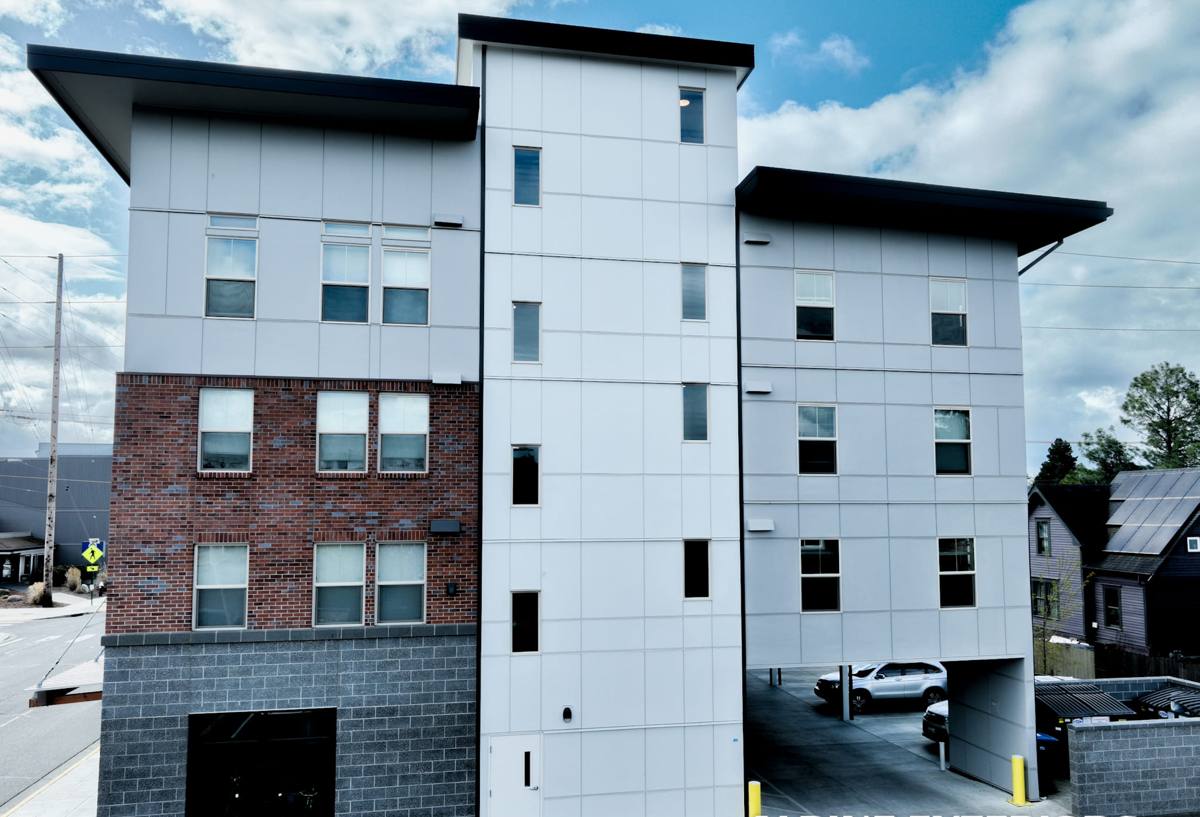
What Marine Exposure Does to Vertical Siding Over Time
Salt Air and Fasteners
Board & batten relies on a lot of exposed fastener runs, both in the boards themselves and in the battens that cover the seams. Near salt water, standard fasteners corrode faster than they would a few miles inland, and a corroding fastener head eventually stains the siding, loosens its hold, and opens a path for water. This is a materials-and-hardware decision as much as a siding-brand decision, and it's one of the first things that should be locked down before a single board goes up on an island property.
Wind-Driven Rain
Rain that comes in mostly straight down is a different problem than rain that's being pushed sideways by wind coming off open water. Wind-driven rain finds every horizontal seam, every batten edge, and every place where a wall plane changes direction. Board & batten has more vertical seams than most siding styles, which is good for shedding water down and off the wall, but only if those seams and the battens over them are built correctly. Done wrong, the same seams that are supposed to shed water become the places water gets pushed in.
Moss and Shaded Walls
Skagit County's moss season is long, and on Samish Island the combination of tree cover, marine humidity, and north- or east-facing walls that rarely see direct sun keeps some sections of a house damp for weeks at a time. Moss and algae don't just look bad; on a wood-based product they hold moisture against the surface and accelerate rot underneath. On a factory-finished fiber cement product, they're mostly a cosmetic issue that washes off — which is a meaningful difference when you're picking a product for a shaded, waterfront lot.
Why Board & Batten Suits This Kind of Property
Board & batten has a long history on coastal and farm buildings for a practical reason: the vertical lines shed water efficiently, and the design predates modern flashing and house wrap by a long way. On Samish Island it also fits the visual language a lot of waterfront and near-waterfront homes are going for — clean, vertical, a step away from the standard lap-siding look you see throughout Burlington and the rest of the county. It reads as a deliberate architectural choice, not just a siding swap.
None of that changes the physics, though. The style that made board & batten useful on old barns and boathouses only holds up today if the water management behind the boards is built to modern standards. The look is traditional; the assembly behind it needs to be current.
What a Correct Board & Batten Installation Actually Involves
A lot of what determines whether board & batten performs well on a marine-exposed home happens before the first board is visible. The sequence matters:
- A continuous weather-resistive barrier over the sheathing, lapped correctly at every seam and penetration
- A drainage gap (a rainscreen) behind the siding so any moisture that gets past the boards has somewhere to go and can dry out instead of sitting against the wall
- Flashing at every window, door, and roof-to-wall transition, installed in the correct shingle-lap order before the siding covers it
- Fasteners driven into solid framing, at the manufacturer's specified spacing, not just into the batten or panel face
- Battens set to cover panel or board seams fully, with the right reveal and fastening pattern so they don't trap water at the top
- Caulk and sealant used only where the manufacturer specifies it — not as a substitute for correct flashing and lapping
Every one of those steps is invisible once the siding is finished. That's exactly why the installer matters more than the brand name on the material — a well-built wall with a mediocre product will usually outperform a poorly built wall with a premium one.
Why We Install James Hardie for This and Nothing Else
We only install James Hardie fiber cement, in board & batten profiles built from HardiePanel vertical siding with HardieTrim battens, or true individual board-and-batten boards depending on the look a homeowner wants. A few reasons that's the standard we hold for a marine-exposed property like Samish Island:
Fiber cement doesn't rot, and it doesn't feed the moss and mildew that thrive in this climate the way bare or primed wood does. The ColorPlus factory finish is baked on under controlled conditions, which holds color and resists the salt air and UV exposure far better than a field-applied paint job that has to be redone every several years. And because it's non-combustible, it adds a layer of fire resistance that matters more each summer, even out here near the water.
We know traditional cedar board & batten has real appeal, and painted or stained wood can look great the day it's finished. The honest trade-off is maintenance: wood board & batten on a shaded, salt-air, high-moisture lot needs more frequent inspection, refinishing, and eventually board replacement than most homeowners plan for when they choose it. Engineered wood and vinyl versions of the look have their own limits — engineered wood is more moisture-sensitive at cut edges and butt joints than fiber cement, and vinyl board & batten is a molded profile, not a true board-and-batten assembly, and it can warp or fade under direct sun exposure over time. We made the call to install one product because we'd rather stand behind a wall system we know will still look right in fifteen years than talk a homeowner into something we know needs more upkeep than they're expecting.
What Drives the Cost of a Samish Island Board & Batten Project
| Factor | Why It Matters Here |
|---|---|
| Existing siding removal | Tear-off and disposal of old wood, vinyl, or engineered siding adds labor before new material goes up |
| Wall height and stories | Second-story and steep-gable walls need more scaffolding and safety setup, especially on wind-exposed sites |
| Trim and corner detail | Board & batten with mitered or built-up corners costs more in labor than simple outside-corner trim |
| Moisture barrier condition | Sheathing that's been holding moisture from a failed old system may need repair before new siding goes on |
| Site access | Causeway access and tighter waterfront lots can affect how material and equipment get staged |
| Color and finish | Standard ColorPlus colors are the most cost-efficient; custom-match finishes add cost |
We give a firm number after we've actually looked at the walls, not before. The factors above are the ones that move the estimate up or down the most on this type of property.
How We Handle a Samish Island Project
- On-site assessment of the existing siding, sheathing condition, and the specific exposure of each wall — a north wall under trees and a bay-facing wall in open wind get different attention
- A written scope covering removal, any sheathing or flashing repair needed, the drainage plane and rainscreen approach, and the board & batten layout
- Material staging planned around causeway access and weather windows, since a marine site doesn't forgive an install rushed ahead of an incoming system
- Installation following James Hardie's fastening and flashing specifications, with battens and trim set to their published reveal and spacing
- A final walk-through so you know exactly what was done and what to expect from the finish over time
Maintenance Once It's Up
Board & batten done right on Samish Island isn't maintenance-free, but it's low-maintenance compared to what most of the alternatives ask for:
- Rinse the walls once or twice a year, especially shaded and north-facing sections where moss and algae collect fastest
- Check caulked joints at trim and penetrations annually — caulk is a wear item even on a well-built wall
- Keep gutters clear so overflow isn't running down a wall section repeatedly
- Trim back vegetation that's holding shade and moisture against any wall
- Have flashing and sealant at windows and doors inspected every few years, since that's where a marine climate finds its way in first
Why the Crew Matters as Much as the Product
A lot of what makes board & batten fail on a marine site isn't the material, it's an installer who doesn't adjust for the exposure — using inland-standard fasteners, skipping the rainscreen gap because it's extra labor, or caulking over a flashing detail instead of doing it right the first time. A crew that regularly works Samish Island and the rest of Skagit County's waterfront knows which walls need the most attention, how to sequence a job around the weather instead of against it, and what a causeway-access site actually requires for staging and scheduling. That familiarity shows up in the details you can't see once the siding is on, which is exactly where marine-climate siding jobs succeed or fail.
If you're weighing board & batten for a Samish Island home, we're happy to walk the property, look at what you're dealing with on each wall, and put together a straightforward, no-pressure estimate.