 Burlington
 Why Oak Harbor Roofs Wear Differently
Homes around Oak Harbor sit close to open water, and that changes what a roof has to deal with over its lifetime. Salt-laden air moving off the Sound accelerates corrosion on anything metal — nails, flashing, drip edge, valley metal, even the fastener heads on shingles. Add in wind-driven rain that comes in sideways during winter storms, not just straight down, and you've got a climate that punishes roofs installed with shortcuts that would hold up fine in a drier inland town.
Then there's moss. This part of Washington gets a long stretch of damp, mild weather every year, and north-facing slopes or roofs shaded by trees can stay wet for weeks at a time. That's exactly the environment moss and algae need to take hold. Left unchecked, moss doesn't just look bad — it lifts shingle edges, holds moisture against the roof deck, and shortens the life of even a good roofing system.
None of this means Oak Harbor homes need exotic materials or gimmicks. It means the details of the install — underlayment choice, fastener type, ventilation, flashing work — have to be done right the first time, because a coastal climate doesn't forgive corner-cutting the way a milder one might.
What a Correct Roof Replacement Involves Here
Tear-Off and Deck Inspection
We don't install new roofing over old. A full tear-off is the only way to actually see the deck underneath — and in a salt-air, high-moisture climate, hidden deck damage from old leaks or trapped condensation is common enough that skipping this step is a gamble. Soft, delaminated, or water-stained sheathing gets replaced before anything new goes down.
Underlayment and Flashing
Wind-driven rain can push water sideways and even slightly uphill under poorly lapped shingles, so underlayment selection and installation matter more here than in calmer inland areas. We use synthetic underlayment rated for the exposure, with self-adhered ice-and-water membrane at eaves, valleys, and roof-to-wall transitions — the spots where wind-blown moisture actually gets in. Flashing around chimneys, vents, and skylights gets replaced, not reused, and sealed to shed water even when it's coming in at an angle.
Fasteners and Metal Components
Standard fasteners corrode faster in salt air. We use corrosion-resistant nails and metal flashing components suited to a marine-influenced climate, because a roof is only as good as the hardware holding it together, and rusted fasteners are one of the more common causes of early failure we find on older coastal roofs.
Ventilation
Balanced intake and exhaust ventilation keeps moist air from condensing in the attic space, which matters in a climate where outside humidity is already high for months at a time. Poor ventilation traps moisture against the underside of the deck, and that moisture doesn't care whether it came from outside or from inside — either way it shortens the roof's life.
Choosing the Right Roofing Material for This Climate
There's no single "correct" material for every home — budget, roof pitch, and the look you want all factor in. What matters is understanding how each option actually performs in a salt-air, high-moss environment so you're choosing with the trade-offs in mind, not guessing.
| Material | Salt-Air / Moisture Performance | Moss Resistance | Typical Lifespan |
|---|---|---|---|
| Architectural asphalt shingles (standard) | Good with proper flashing and fasteners | Moderate — benefits from algae-resistant granules | 25–30 years |
| Architectural shingles (algae-resistant / impact-rated) | Good | Better — copper-infused granules slow algae/moss growth | 25–30 years |
| Metal roofing (standing seam) | Excellent when properly coated and fastened | High — smooth surface sheds moisture, little for moss to grip | 40–50+ years |
| Wood shake | Higher maintenance burden in damp coastal climates | Low — needs regular treatment and cleaning | 20–30 years with upkeep |
We don't install wood shake on homes in this area as a matter of professional standard — not because it's a bad product everywhere, but because the maintenance it requires to resist moss and moisture in a marine climate is a real, ongoing burden most homeowners don't want to sign up for. Metal and algae-resistant asphalt shingles both hold up well here with far less upkeep, and we'll talk through which fits your budget and roofline honestly.
Our Roof Replacement Process
- Inspection and estimate. We look at your existing roof, deck condition, ventilation, and any problem areas, and give you a written estimate with no pressure to decide on the spot.
- Material selection. We walk through options and trade-offs based on your home, budget, and how exposed the roof is to wind and moisture.
- Tear-off and disposal. Full removal of the old roofing, with the deck cleared for inspection and job-site cleanup handled as part of the work, not an afterthought.
- Deck repair. Any damaged sheathing gets replaced before new roofing goes down — this isn't an upsell, it's a requirement for a roof that will actually last.
- Installation. Underlayment, flashing, ventilation, and roofing material installed to manufacturer spec and current code, with attention to the details that matter most in a coastal climate.
- Final walk-through. We go over the finished job with you, confirm everything meets what was quoted, and explain your warranty coverage in plain terms.
Common Problems We Find on Oak Harbor Roofs
Roofs in this area tend to show a recognizable pattern of wear when they haven't been maintained or were installed without the coastal climate in mind:
- Rusted or failing flashing around chimneys, vents, and valleys — often the first thing to go
- Moss buildup on north-facing slopes and shaded sections holding moisture against the shingles
- Shingle edges lifted or cracked from repeated wind-driven rain exposure
- Attic condensation staining from inadequate ventilation, not from an actual roof leak
- Corroded fasteners causing loose shingles well before the shingles themselves have worn out
A lot of these get misdiagnosed as "the roof needs replacing" when the real issue is a repairable flashing or ventilation problem — and just as often, a homeowner patches a symptom without realizing the underlying cause is still there. Part of an honest inspection is telling you which one you're actually dealing with.
Moss, Algae, and Long-Term Maintenance
Even the right materials benefit from basic upkeep in this climate. Keeping overhanging branches trimmed back reduces shade and debris buildup, both of which feed moss growth. Periodic gentle roof cleaning — not pressure washing, which can strip granules and shorten shingle life — helps keep moss from establishing in the first place. If moss is already present, it should be removed carefully rather than scraped aggressively, since aggressive removal can do more damage to the shingles than the moss itself.
We're happy to talk through a simple maintenance routine as part of any estimate, whether or not you end up replacing the roof with us. A roof that's maintained a little every year lasts noticeably longer than one that's ignored until there's a leak.
Signs Your Oak Harbor Home May Need a Roof Replacement Soon
- Shingles that are cupping, curling, or missing granules in patches
- Visible moss or algae streaking across large sections of the roof
- Rust staining running down from flashing or valleys
- Daylight visible through the roof deck from inside the attic
- Soft spots or sagging when walked on (a sign to have it inspected, not walked on further)
- Your roof is approaching or past the manufacturer's expected lifespan for its material
- Rising energy bills that may point to ventilation or insulation issues tied to the roof
Why Hiring a Crew That Already Works This Area Matters
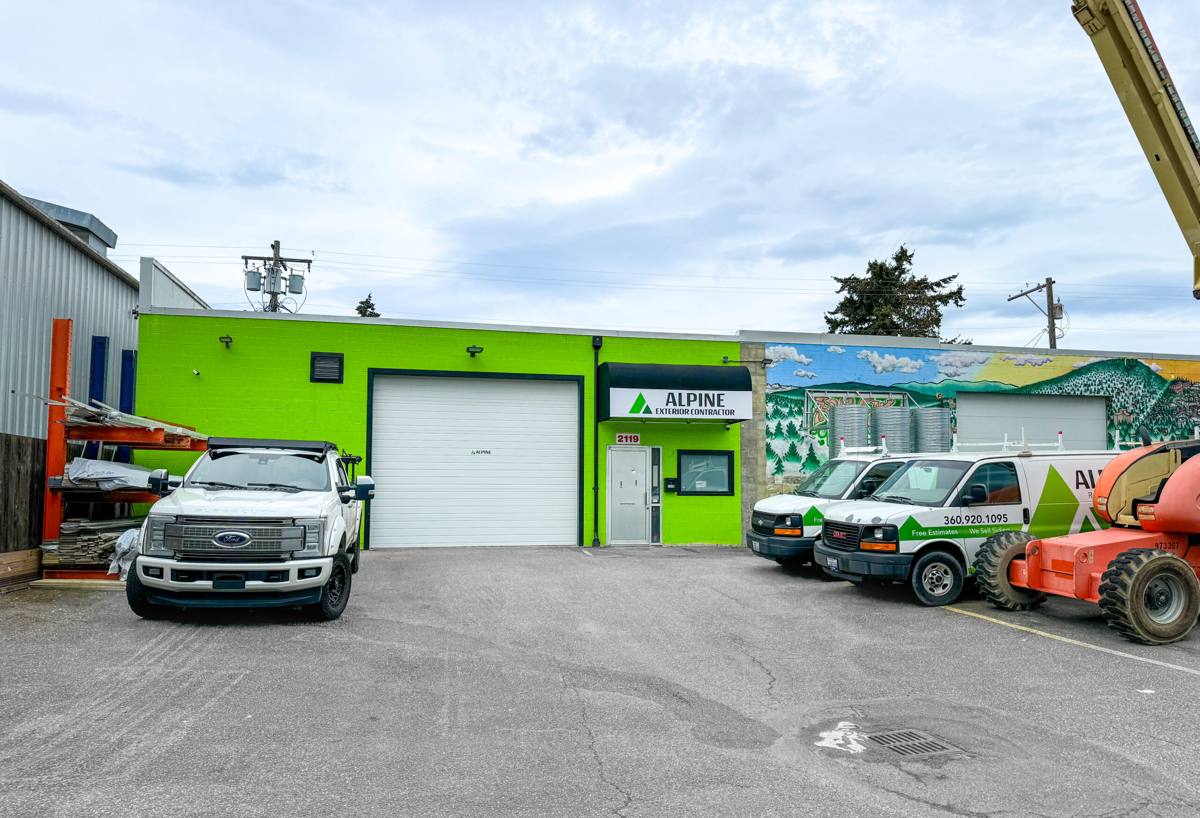
We're based out of Burlington and work throughout Skagit and Island counties, which means Oak Harbor's exposure to wind, salt air, and a long wet season isn't a special case for us — it's the baseline we build every estimate and every installation around. That shows up in the small decisions: which underlayment to spec at an exposed eave, when a fastener upgrade is worth it, whether a shaded slope needs extra attention to ventilation and moss prevention. A crew that mainly works drier, inland conditions can still do competent work, but they're making judgment calls about a climate they don't see every week. We do.
It also means straightforward logistics — we know the area, we can schedule realistically around regional weather patterns, and we stand behind the work with a crew that isn't disappearing to the other side of the state next month.
If your roof is showing wear, or you just want an honest read on how much life it has left, we're glad to come take a look. The estimate is free, there's no pressure attached to it, and you'll get a straight answer about what your roof actually needs — you can request one using the form below.