 Burlington
 Why Oak Harbor Homes Need a Different Siding Conversation
Oak Harbor sits close enough to open water that salt air is a real factor in how exterior materials age, not just a talking point. Add in the long stretch of wet months typical of the Skagit and Island County area, plus the shaded, damp conditions that let moss and algae get a foothold on north-facing walls and roof lines, and you've got a climate that is genuinely harder on siding than most manufacturers' marketing photos suggest. We install fiber cement siding in this area specifically because it is one of the few claddings that shrugs off all three of those stressors at once without needing constant babysitting.
This page is about one job in one area: correctly installed James Hardie fiber cement siding on homes in and around Oak Harbor. Not a general siding overview, not a sales pitch for every product on the market — just what actually matters here, what a correct installation looks like, and why the crew doing the work matters as much as the material itself.
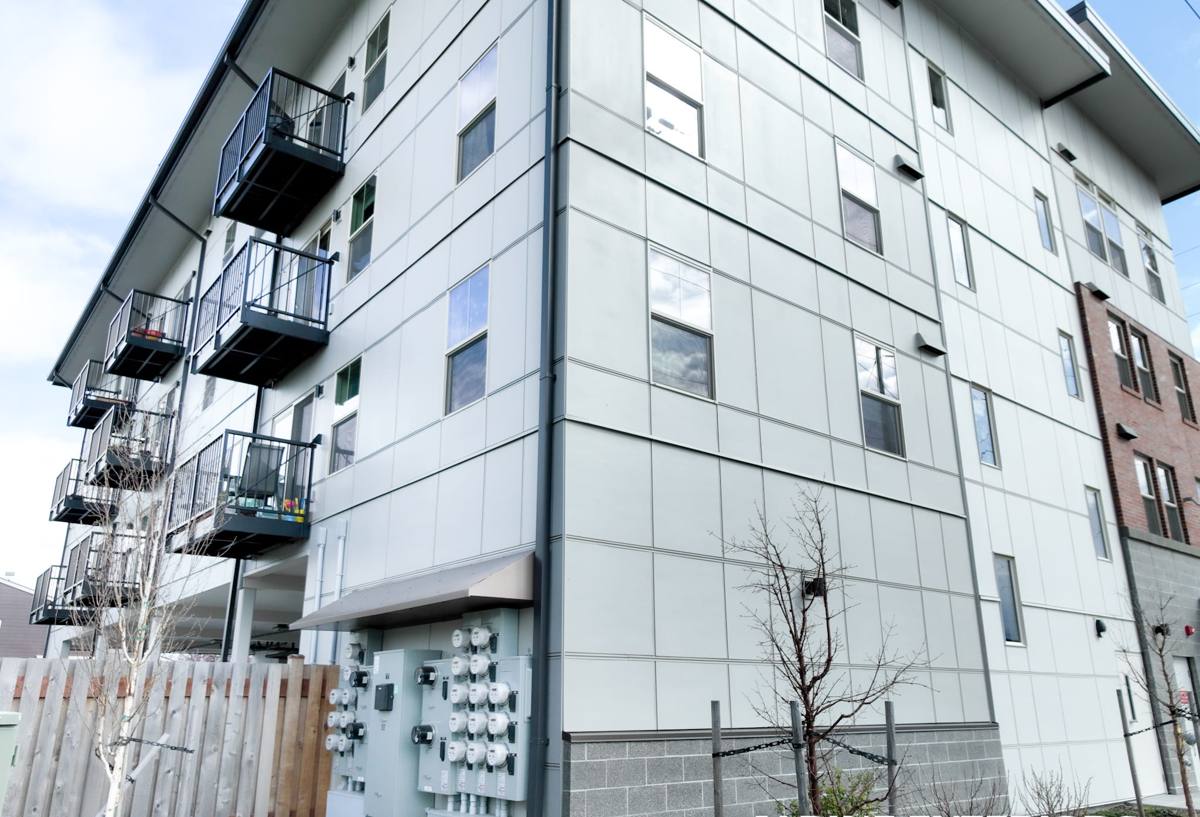
What Salt Air, Rain, and Moss Actually Do to a House
Salt air
Airborne salt is corrosive to metal fasteners, flashing, and trim, and it also accelerates the breakdown of lower-grade paints and coatings. A siding product with a weak factory finish will chalk, fade, and lose its seal faster near the water than it will ten or fifteen miles inland. That difference compounds year over year.
Driving rain
Wind-driven rain doesn't just fall on a wall — it gets pushed sideways into laps, seams, and butt joints. Any siding system is only as good as its weakest joint. Products that swell, wick moisture, or rely on caulk alone to stay sealed will eventually let water behind the cladding, and once water gets behind siding it rarely dries out on its own schedule.
Moss and algae
Long wet seasons and plenty of shade from mature trees create ideal conditions for moss and green algae growth on siding, especially on north- and west-facing elevations that don't get much direct sun. Some siding materials absorb moisture into their surface, which gives moss something to grip and grow into. Others simply shed water and stay cleaner longer.
Why We Install James Hardie and Nothing Else
We are a James Hardie-only installer. We do not install LP SmartSide, vinyl, Cemplank, Allura, or bare wood siding like primed spruce or cedar, and we're upfront about why: we've standardized on one product system so we can guarantee the installation, not just sell a material and hope it holds up.
Fiber cement itself is a mix of cement, sand, and cellulose fiber — it's non-combustible, it doesn't swell or rot the way wood-based products can, and it holds paint and factory finishes far longer than vinyl or engineered wood. James Hardie specifically backs its boards with ColorPlus factory-applied finishes designed to resist fading and chalking, and their HZ5 product line is engineered for the kind of freeze-thaw and moisture exposure the Pacific Northwest coast sees. That combination — the base material plus the finish system plus a warranty that's actually structured to mean something — is why we don't split our attention across multiple brands.
We're not going to tell you every other product is worthless. Vinyl is cheap and low-maintenance in mild climates. Engineered wood siding installs fast and takes paint well when new. Cedar has a look some homeowners want and are willing to maintain for. But in a coastal, wet, moss-prone environment like Oak Harbor, those trade-offs — moisture sensitivity, shorter finish life, ongoing maintenance — add up faster than they would somewhere drier and sunnier. We'd rather install one product exceptionally well than install several products adequately.
What a Correct Fiber Cement Installation Actually Involves
The material is only half the job. Fiber cement siding fails prematurely almost exclusively because of installation mistakes, not because the boards themselves gave out. In a climate like this one, the details matter more, not less.
- Weather-resistive barrier: A continuous, properly lapped water-resistive barrier behind the siding, with all penetrations sealed, so any moisture that does get past the cladding has somewhere to drain instead of sitting against the sheathing.
- Rainscreen or drainage gap where called for: Especially on walls exposed to driving rain, a small air gap between the siding and the barrier lets water drain and the wall assembly dry out instead of staying saturated.
- Correct fastener spacing and type: Hardie specifies fastener type, spacing, and placement for a reason — get it wrong and boards can crack, pop, or fail to hold their seal at the laps.
- Proper clearances: Minimum gaps from the ground, roofline, decks, and adjoining hardscape keep the bottom edge of the siding from sitting in standing water or splashback.
- Caulked and flashed penetrations: Every window, vent, hose bib, and light fixture is a place water can get behind the wall if it's not flashed and sealed correctly the first time.
- Factory-cut, factory-primed edges wherever possible: Field cuts expose raw fiber cement; those cut edges need to be primed and sealed before they're closed up, or they become the first place moisture gets in.
Skip any one of these and you can end up with premature paint failure, staining, or moisture damage behind the wall — on a product that, installed correctly, is rated to last for decades.
Our Process for Oak Harbor Homes
1. On-site assessment
We look at your home's actual exposure — which walls take the worst of the wind and rain, where moss has already gotten started, where the existing siding or trim shows signs of moisture damage — before we talk product or price.
2. Tear-off and sheathing check
Old siding comes off and we inspect the sheathing underneath. This is the point where hidden rot or water damage from years of a failing exterior gets found and dealt with, not covered back up.
3. Weather barrier and drainage plane
We install a continuous water-resistive barrier and drainage strategy suited to your home's exposure, paying particular attention to any wall that takes direct, driving rain off the water.
4. Hardie installation to manufacturer spec
Fastening, spacing, clearances, and flashing details all follow James Hardie's published specifications — not shortcuts, because shortcuts are what void warranties and cause callbacks.
5. Trim, caulking, and final detailing
Every joint, corner, and penetration gets sealed properly before we call the job done.
6. Walkthrough
We walk the finished exterior with you, point out what we did and why, and make sure you know what little maintenance the product does need going forward.
Comparing Siding Options for This Climate
| Factor | James Hardie Fiber Cement | Vinyl | Engineered Wood (LP-type) | Cedar / Primed Spruce |
|---|---|---|---|---|
| Salt air / coastal exposure | Strong — factory finish resists fading and chalking | Moderate — can become brittle and discolored over time | Moderate — finish life shorter near salt air | Moderate — needs more frequent refinishing near water |
| Moisture resistance | Strong when installed with proper drainage details | Good, but seams and gaps can let water track behind panels | Weaker — engineered wood can swell if moisture reaches raw edges | Weakest — wood absorbs moisture directly, prone to rot |
| Moss / algae resistance on siding surface | Good — dense surface sheds water, holds finish | Good — smooth, non-porous surface | Fair — porous surface can hold moisture that feeds growth | Poor — organic material, moss and algae grip readily |
| Fire resistance | Non-combustible | Combustible | Combustible | Combustible |
| Typical maintenance | Occasional wash, repaint on a long cycle | Low, but cracks/fades and can't be easily repainted | Regular inspection of seams and edges, repaint sooner | Frequent — sealing, staining, or painting on a short cycle |
Cost Factors Homeowners Should Know
We don't publish blanket per-square-foot pricing because every home is different, but the real cost drivers on a fiber cement project in this area are consistent:
- Tear-off scope: Removing failing siding and repairing damaged sheathing costs more than siding over a clean, sound wall.
- Home size and wall complexity: More corners, dormers, and trim details mean more labor and more cut edges to seal properly.
- Product line and profile: Hardie's various plank, shingle, and panel profiles carry different material costs.
- ColorPlus vs. field paint: Factory-finished ColorPlus boards cost more upfront but remove the labor and long-term maintenance of field painting.
- Access and site conditions: Multi-story walls, tight lot lines, or difficult staging areas add labor time.
Why Hiring a Crew That Already Works This Area Matters
A siding job in a coastal Skagit and Island County climate isn't the same job as one done in a dry inland town. A crew that regularly works Oak Harbor and the surrounding area already knows which walls on a typical home take the worst weather, where moss tends to establish first, and how to detail flashing and drainage for driving rain rather than just following a generic spec sheet. That local pattern recognition is part of what keeps a fiber cement installation performing the way it's supposed to for decades instead of needing early repairs.
Get a Straight Answer for Your Home
If you're dealing with failing siding, visible moss buildup, or you're just planning ahead for a home in Oak Harbor, we're glad to take a look and give you an honest assessment — what your walls actually need, what a correct James Hardie installation would involve, and a straightforward estimate. No pressure, no upsell to a product we don't stand behind. The form below gets you started.