 Burlington
 Siding Installation Built for Lyman's Corner of Skagit County
Lyman sits in the foothill country east of Burlington, where the Skagit River valley narrows and the weather off Puget Sound funnels inland before it ever reaches the coast. Homes out here take a different kind of beating than a house downtown might. Marine air still carries salt inland through the valley on windy, wet stretches of the year, driving rain comes in sideways off the river corridor for days at a time, and the shaded, damp lots common in this area keep moss and mildew active nearly year-round. Siding that isn't built and installed for that combination doesn't fail all at once — it fails slowly, at the seams, behind the trim, and underneath a finish that looked fine right up until it didn't.
This page is about one job in one place: installing siding correctly on a home in Lyman. Not a general overview of siding, and not a sales pitch for a product line — a straight explanation of what this climate demands, what a correct installation actually involves, and why we've built our business around doing this one job the same disciplined way on every house we touch.
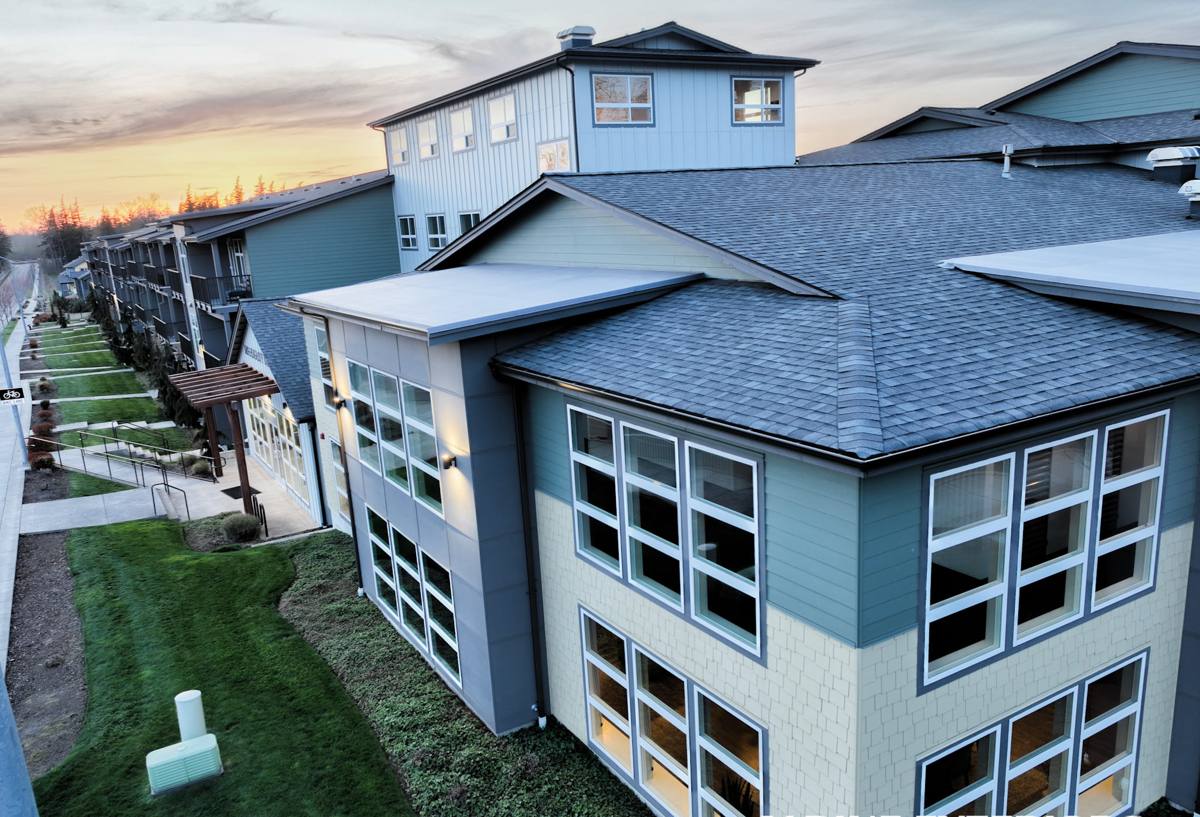
What Lyman's Climate Actually Does to a Wall System
Three things define siding performance in this part of Skagit County, and they compound each other:
Driving rain and wind-driven moisture
The river valley acts like a funnel. Storms that might hit a coastal home broadside instead get pushed through Lyman with sustained wind, driving rain horizontally into south and west-facing walls. That means water isn't just falling on siding — it's being forced into every lap joint, butt seam, and penetration that isn't flashed and caulked correctly.
A long moss and mildew season
Shaded lots, tree cover, and consistently damp air mean moss, algae, and mildew get a running start early in the fall and don't fully let go until late spring. Any siding material that holds surface moisture, or has a painted finish rather than a factory-cured one, gives that growth something to hang onto.
Salt-tinged marine air
Lyman is inland, but the marine layer off the Sound still pushes up the valley, especially on windy days. Over years, that salt-bearing air accelerates corrosion on unprotected fasteners and speeds the breakdown of finishes not engineered to resist it.
None of these three factors is dramatic on its own. Together, over a decade or two, they're exactly why some sidewalls in this area age fast and others don't — and the difference usually comes down to material choice and installation detail, not luck.
What a Correct Siding Installation Involves
Siding installation is a weather-management system, not a cosmetic upgrade. A correct job on a Lyman home covers four things, in order, and skipping any one of them is where premature failures start.
1. Tear-off and substrate inspection
Old siding comes off in full, not patched around. That's the only way to actually inspect the sheathing underneath for rot, soft spots, or prior water intrusion — problems that are invisible from outside and get sealed in if you install new siding over them.
2. Weather-resistive barrier and flashing
A properly lapped weather-resistive barrier, correctly integrated flashing at every window, door, and penetration, and rainscreen or drainage detailing where called for. This is the layer that actually stops the driving rain described above from reaching your framing — the siding itself is the second line of defense, not the first.
3. Fastening and clearances
Correct fastener type and spacing, correct nailing pattern for the specific product and exposure, and correct clearance at grade, roof lines, and decks so water sheds away from the wall instead of wicking back into it.
4. Trim, caulking, and finish integration
Trim details and joint treatment matter as much as the field of the wall. Poorly finished corners and butt joints are where moss gets its first foothold and where water finds its way behind the siding in a wind-driven rain event.
Why We Install Only James Hardie Fiber Cement
We don't install vinyl, LP SmartSide, Cemplank, Allura, or primed wood siding — not because those products can't be installed well by someone, but because we've made a professional decision about what holds up to this specific climate over the long run, and we'd rather stand fully behind one system than hedge across several.
James Hardie fiber cement is non-combustible, dimensionally stable in wet-dry cycling, and finished at the factory with ColorPlus technology rather than painted on site or left to be painted later. That factory finish is baked on under controlled conditions and backed by its own finish warranty — which matters directly in a moss-and-mildew climate, because a consistent, cured finish gives organic growth far less to grip onto than a field-applied coating does. Hardie's HZ product lines are also engineered specifically for climate zones like ours, with moisture and impact performance suited to sustained wet-weather exposure rather than a one-size-fits-all national spec.
That doesn't mean fiber cement is maintenance-free or that every problem disappears. It means the material itself isn't the weak link in a wall system that's otherwise installed correctly — and combined with a strong, transferable manufacturer warranty, it's the product we're willing to put our own installation standards behind.
How the Process Works, Start to Finish
- On-site assessment. We walk the home, check current siding condition, sheathing access points, drainage and grading around the foundation, and note anything specific to the lot — tree cover, shade patterns, wind exposure — that affects the install plan.
- Written scope and estimate. You get a clear breakdown of what's being torn off, what the wall assembly will include, product and color selections, and a realistic timeline based on the season and weather window.
- Tear-off and substrate check. Full removal of old siding, inspection and repair of any compromised sheathing before anything new goes on.
- Weather barrier and flashing installation. The unglamorous layer that does most of the actual work keeping water out.
- Hardie panel, plank, or shingle installation. Installed to manufacturer fastening spec and local exposure requirements, not a generic national default.
- Trim, caulking, and detail work. Corners, butt joints, and penetrations finished to shed water and resist the moss and algae growth common on shaded Lyman lots.
- Final walkthrough. We go over the finished work with you directly, not just leave a punch list unaddressed.
Comparing Siding Materials for a Lyman Home
| Material | Moisture Behavior in This Climate | Finish Durability | Long-Term Consideration |
|---|---|---|---|
| James Hardie fiber cement | Dimensionally stable; resists wet-dry cycling | Factory ColorPlus finish, warranted separately from the substrate | Higher upfront cost, strong transferable warranty, standardized on for a reason |
| Vinyl | Doesn't rot, but can warp or gap under sustained wind-driven rain and temperature swings | Color is through-body but fades and chalks over time; can't be repainted easily | Lower cost, but seams and J-channels are common moisture entry points if not detailed well |
| LP SmartSide / engineered wood | Wood-based core is more moisture-sensitive at cut edges and fastener penetrations | Factory-treated but relies on caulking and edge sealing staying intact | Requires more diligent long-term maintenance in a wet, moss-prone climate |
| Primed cedar or spruce | Natural wood movement; absorbs moisture at end grain and joints | Field-painted, needs repainting on a recurring cycle | Highest ongoing maintenance burden in this climate |
What Drives Cost on a Lyman Siding Project
Every home is different, but the same handful of factors move the price on most projects in this area. Understanding them helps you evaluate any estimate you receive, including ours.
| Factor | Why It Matters Here |
|---|---|
| Amount of tear-off and sheathing repair | Lyman's damp, shaded lots mean hidden moisture damage behind old siding is more common than in drier areas |
| Home shape and trim detail | More corners, dormers, and window trim mean more flashing and cut work, which takes time to do right |
| Product selection | Hardie plank, panel, and shingle profiles vary in material and labor cost |
| Access and site conditions | Sloped or wooded lots common around Lyman can add setup and staging time |
| Season and weather window | Scheduling around Skagit County's wetter months affects sequencing and sometimes timeline |
Caring for Hardie Siding After Installation
One advantage of standardizing on fiber cement is that ongoing care is straightforward compared to painted wood or aging vinyl. A short annual routine goes a long way in this climate:
- Rinse siding with a garden hose (not a pressure washer aimed directly at seams) once or twice a year to clear pollen, dust, and early moss growth
- Check and refresh caulking at trim joints and penetrations every few years, since caulk ages faster than the siding itself
- Keep gutters clear and downspouts directed away from the foundation so wall-adjacent grading stays dry
- Trim back tree limbs and shrubs that keep a wall section shaded and damp longer than the rest of the house
- Inspect trim and corner boards after major windstorms for any movement or gaps that could let water behind the siding
Why Hiring a Crew That Already Works in Lyman Matters
Siding installation isn't a generic skill applied the same way everywhere. A crew that regularly works Skagit County's foothill areas already knows how driving rain behaves against a valley-facing wall, which lots hold moisture longer because of tree cover and shade, and how to sequence a tear-off around a genuinely wet forecast rather than guessing. That local pattern recognition shows up in the small decisions — where extra flashing gets added, which corners get more attention, how fastening is adjusted for a particularly exposed elevation — that don't appear on an estimate but show up in how the house performs ten years later.
It also means someone who understands the practical realities of scheduling around this area's weather, working with the access and terrain common to Lyman properties, and standing behind the work locally rather than as a one-time visiting crew.
Get a Free, No-Pressure Estimate
If your Lyman home's siding is showing its age — moss that won't stay gone, soft spots near the base of walls, or a finish that's chalking and fading — we're happy to come take a look and give you an honest read on what's going on and what correct James Hardie installation would involve for your specific house. There's no pressure and no obligation. Use the form below to request your free estimate.