 Burlington
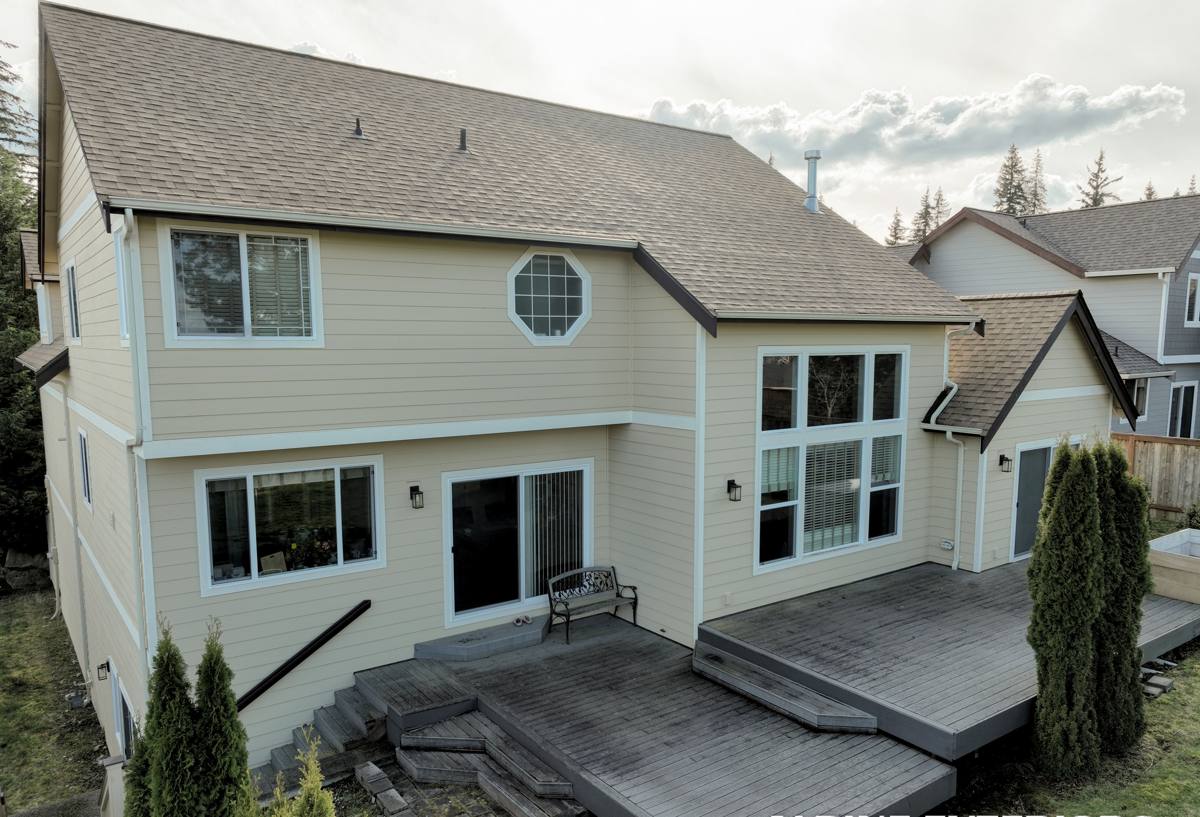
 La Conner sits right on the Swinomish Channel, and that waterfront setting is part of what makes the town worth living in — and part of what makes a deck out there age faster than one a few miles inland in Burlington. A deck is the most exposed structure on most homes: it takes weather from above, below, and the sides, with none of a roof's slope to shed water or a wall's siding to break up wind. Add in the salt-laden air coming off the channel, driving rain that blows sideways during a fall or winter system, and a moss season that runs long in a valley climate, and it's no surprise La Conner decks tend to show wear years before a homeowner expects it. This page covers what deck repair actually involves for a La Conner home, what we check, and why it matters to hire a crew that already knows this specific stretch of Skagit County.
What Makes a La Conner Deck Different
Homes closer to the channel deal with a steadier dose of salt-laden air than homes set back from the water, and that air corrodes exposed metal — fasteners, joist hangers, railing hardware — faster than it would a few miles inland. Driving rain off Skagit Bay and the channel doesn't fall straight down onto a deck the way it does onto a roof; it comes in sideways, which means it works into gaps between boards, behind ledger flashing, and around post connections that a straight-down rain would never reach. And because so many La Conner lots sit shaded by trees, neighboring structures, or the marine layer that hangs over the water, decks here often don't get the dry stretches that let moss and algae burn off on their own. The result is a deck that's fighting three things at once, year-round, rather than the occasional summer storm.
Why Deck Damage Sneaks Up on Homeowners
Most deck failure doesn't start on the surface you walk on. It starts underneath — at the ledger board where the deck attaches to the house, at post bases sitting in contact with wet soil or concrete, and inside joists that look fine from above but have been holding moisture against untreated wood for years. A deck can look perfectly serviceable on top while the framing underneath has already lost real strength. That's exactly why a repair visit needs to include time spent looking at the structure, not just the boards you can see standing on the deck.
Common Signs a La Conner Deck Needs Repair
A few warning signs show up consistently on decks in this area, and most of them are easy to check yourself before calling anyone:
- Boards that feel soft or spongy underfoot, especially near the house or around post locations
- A widening gap or visible daylight where the deck meets the house at the ledger board
- Rust streaks bleeding down from fasteners, joist hangers, or railing brackets
- Railings or posts that wobble or flex more than they used to
- Standing water that doesn't drain within an hour or two after rain
- Moss or algae that comes back within weeks of being cleaned
- Any section of the deck that feels lower, softer, or less level than the rest
Surface Wear vs. Structural Problems
Not every rough-looking board means trouble. Graying, weathered wood and a light film of algae are cosmetic issues that come with the territory in this climate and don't necessarily mean anything underneath has failed. What does matter is softness you can press a thumb into, movement at connection points, or corrosion heavy enough that a fastener has lost its grip. Learning to tell the two apart is the difference between a homeowner who calls for a simple cleaning and one who calls after a board has already given way.
What a Proper Repair Actually Checks
A repair that only addresses what's visible from the top of the deck tends to be a repair that gets revisited within a year or two. A thorough job looks at the whole system:
The Ledger Board and Flashing
This is where a deck attaches to the house, and it's the single most common source of hidden rot on decks we look at. If the flashing behind the ledger board was installed incorrectly, or wasn't installed at all, water works its way behind the band board and into the house framing over time — a problem that starts small and gets expensive if it's left alone.
Joists, Beams, and Framing
We check for soft spots, discoloration, and any place where water has been sitting against wood long enough to start breaking it down. In a climate with this much sustained moisture, framing that was installed without adequate ventilation underneath tends to show problems earlier than framing that has room to dry out between storms.
Posts, Footings, and Hardware
Post bases in direct contact with soil or sitting in standing water are a recurring issue on older decks. So is corroded hardware — carriage bolts, joist hangers, and structural screws that were fine when installed but have degraded faster than expected because of the salt content in the air this close to the water.
Decking Boards and Railings
Cupped, split, or popped boards are usually a straightforward fix. Railings get a closer look, since a railing that isn't properly attached to blocking or framing is a safety issue, not just a cosmetic one — and it's one of the more common things we find loose on decks that haven't been inspected in a while.
Repair or Replace? What Actually Drives That Decision
Homeowners often assume any deck problem means a full rebuild. Most of the time it doesn't. The table below covers what we're usually weighing when we make that call:
| What We Find | Repair Usually Makes Sense | Replacement Worth Discussing |
|---|---|---|
| Ledger board / flashing | Isolated rot caught early, framing underneath still sound | Rot has spread into the rim joist or wall framing |
| Decking boards | A handful of cupped, split, or popped boards | Most of the deck surface shows the same wear at the same time |
| Posts & footings | Corroded hardware, a post base that needs resetting | Footings undersized, shifting, or posts rotted below grade |
| Railings | Loose attachment or a section out of code | The whole railing system was installed without proper blocking |
| Age & history | Deck is under 15-20 years old with one clear problem area | Deck is near the end of its expected life or has no permit history |
The honest answer, most of the time, is that a deck with one or two real problem areas and sound framing everywhere else is a good repair candidate. A deck with rot spread across multiple structural points, or one that was never permitted or built to current standards, is usually money better spent on a rebuild than on chasing repairs one at a time.
Repairing Different Decking Materials
The repair approach depends on what the deck is built with:
Pressure-treated wood is the most common decking material we see and generally the easiest to repair — individual boards can be replaced, sanded, and resealed without touching the rest of the deck, as long as the fasteners and sealant used are rated for this level of moisture and salt exposure.
Cedar decking holds up well when it's maintained but shows its age faster once maintenance lapses, since it's an organic material that needs periodic sealing to keep moisture out. Repairs on cedar often involve matching the existing weathered tone as closely as possible and cleaning moss without scrubbing hard enough to damage the wood fibers.
Composite decking doesn't rot the way wood does, but that doesn't make it repair-free. The wood framing underneath a composite deck still can, and a lack of ventilation beneath composite boards can trap moisture against that framing longer than it would under wood decking. Fastener systems on composite boards can also loosen or fail differently than they do on wood, so repairs need to match the specific hidden-fastener or clip system the deck was originally built with.
Our Deck Repair Process
- We inspect the deck from above and below, including framing, ledger connection, and post bases — not just the walking surface
- We give you a written scope that separates what's cosmetic, what's a repair, and what's a structural concern, in plain language
- We address structural issues first — ledger, framing, posts — before any cosmetic or surface work
- We use fasteners and hardware rated for this level of moisture and salt exposure, not whatever's standard for a drier climate
- We clean and treat moss and algae as part of the job rather than leaving it for the homeowner to deal with separately
- We walk you through what to watch for afterward, specific to your deck and its exposure
Keeping a Repair From Becoming a Repeat Job
A repair holds up longer with a little seasonal attention. Keeping the gaps between boards clear of debris lets water drain instead of pooling and feeding moss growth. Checking shaded sections for early moss or algae and addressing it before it spreads keeps moisture from sitting against the wood or composite surface for weeks at a time. Periodically checking fasteners and hardware for early corrosion — especially on decks close to the channel — catches a cheap fix before it becomes an expensive one. None of this is a heavy lift, but it's the difference between a repair that lasts and one you're calling about again in two years.
Why Hiring a Crew That Already Works in La Conner Matters
Exposure to salt air and driving rain isn't uniform even within La Conner — a deck sitting close to the channel takes a different beating than one a few blocks up, and a crew that works this area regularly knows the difference without having to guess. That familiarity affects real decisions: what hardware to spec, how much ventilation a rebuild needs underneath, and how aggressively to plan for moss control based on a specific lot's sun and shade pattern. It also means permitting and inspection requirements for deck work in this part of Skagit County aren't a surprise partway through the job. And after the work is done, a local crew is reachable if a question comes up — not a name from out of the area that's moved on to the next region entirely.
Get a Free, No-Pressure Estimate
If you're dealing with a soft board, a wobbly railing, or you just want an honest read on what your La Conner deck actually needs, we're happy to take a look. There's a free estimate form below — no pressure, no generic sales pitch, just a straight assessment of what we find.