 Burlington
 Why Guemes Island Puts a Roof Through More Than Most
Guemes Island sits in Skagit County waters just off Anacortes, reached by a short ferry ride from the mainland. That location is part of what makes the island worth living on — and part of what makes roofing there different from a job in downtown Burlington or out on the valley floor. Homes here sit closer to open water, catch more wind off the Strait, and spend more of the year under cloud cover than inland properties do. A roof that would perform fine a few miles inland can wear out early on Guemes if it wasn't built with island conditions in mind.
We install roofs across Skagit County, and the systems we spec for a Guemes Island home aren't identical to what we'd put on a similar house in Burlington proper. Same trade, same code requirements, but different priorities on materials, fasteners, ventilation, and detailing around penetrations and edges.
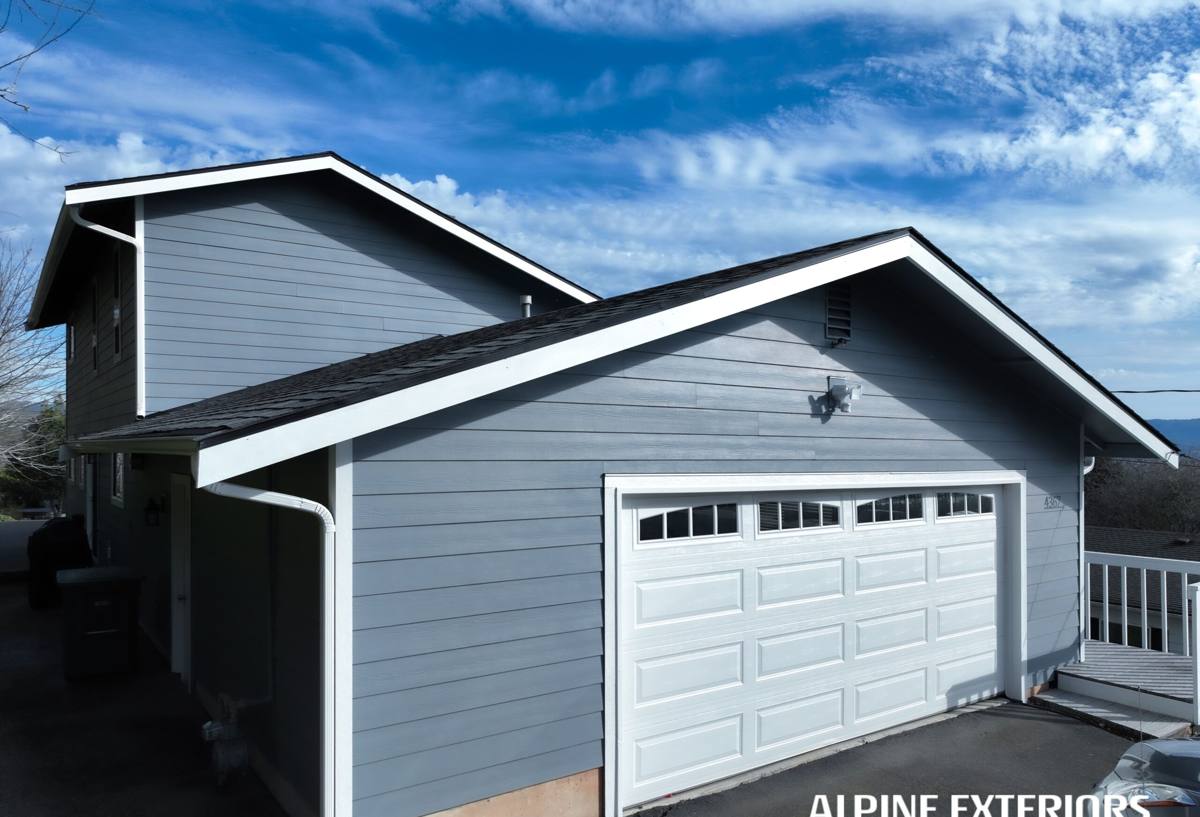
The Three Things That Age a Roof Fastest Out Here
Salt Air
Airborne salt from Puget Sound doesn't just affect boats and dock hardware. Over years, it accelerates corrosion on exposed metal — flashing, fasteners, vents, gutters, and any hardware that isn't rated for coastal exposure. A roof built with standard-grade fasteners or unprotected metal trim will show rust and pitting well before an inland roof of the same age. This is one of the most common oversights we see when we're asked to look at a failing roof on the island: the shingles themselves are fine, but the metal details around them have corroded and started letting water in.
Driving Rain
Skagit County gets its share of wind-driven rain, and island exposure with fewer windbreaks means Guemes homes often catch it harder and from more directions than a comparable inland lot. Driving rain doesn't fall straight down — it gets pushed sideways and upward under shingle tabs, around vents, and into any gap in flashing or underlayment that a calmer climate might never expose. A roof detailed for a "normal" rain climate can still leak here if the installer didn't account for wind-driven moisture at eaves, valleys, and wall-to-roof transitions.
A Long Moss Season
Between the marine humidity, shade from mature trees common on the island, and a mild, damp climate that rarely dries a roof out completely, moss has a long growing season here. Moss isn't just cosmetic — it holds moisture against the roof surface, lifts shingle edges as it grows, and can work its way under tabs and into fastener lines over time. A roof that isn't designed and maintained with moss in mind will show granule loss and early wear in the shaded, north-facing sections first.
What We Look At Before We Ever Talk Materials
Before recommending a system, we walk the roof and the site and think through:
- Sun and shade exposure on each roof plane, since shaded sections need more help resisting moss
- Prevailing wind and rain direction relative to the house, which affects how we detail eaves, rakes, and valleys
- Tree cover and overhang, which drives both debris load and moss risk
- Existing ventilation — intake at the eaves, exhaust at the ridge — since poor airflow traps moisture under the roof deck
- Condition of the decking underneath, which we can't fully judge until tear-off but can often predict from attic signs
- Any history of leaks, ice damming, or repeated moss treatment on the current roof
Choosing a Roofing System for Island Exposure
There's no single "best" roofing material for every home — it depends on budget, roof pitch, architectural style, and how much upkeep an owner wants to take on. Here's how the common options stack up for Guemes Island conditions specifically:
| Material | Salt Air / Corrosion | Moss Resistance | Wind-Driven Rain Performance | Typical Upkeep |
|---|---|---|---|---|
| Architectural asphalt shingle (standard) | Fine if flashing/fasteners are coastal-rated | Moderate — benefits from algae-resistant granules | Good with proper underlayment and detailing | Periodic moss treatment, gutter clearing |
| Architectural asphalt, algae-resistant line | Fine with matching corrosion-resistant hardware | Better — copper/zinc granules slow moss and algae growth | Good with proper underlayment and detailing | Lower moss upkeep than standard shingle |
| Standing seam metal | Needs marine-grade coatings and fasteners to hold up long-term | Very good — smooth surface sheds moss more easily | Excellent — few horizontal laps for wind to work into | Low; occasional fastener and seam check |
| Synthetic/composite shingle | Good — minimal exposed metal fastener heads | Good, varies by product | Good with correct install | Moderate; check manufacturer moss guidance |
We'll talk through these trade-offs honestly during an estimate rather than steering every homeowner toward one product. A well-installed algae-resistant asphalt shingle with correctly detailed, corrosion-rated flashing performs well on most Guemes Island homes and keeps cost reasonable. Metal earns its higher upfront cost on steep, shaded, or heavily moss-prone roofs where long-term low maintenance matters more than initial price.
What a Correct New Roof Installation Actually Involves
A roof is a system, not a stack of shingles. Skipping or shortcutting any layer is where premature failures start, especially in a climate that gives water and moss every opportunity to find a weak point.
Tear-Off and Deck Inspection
We remove the old roofing down to the deck rather than layering over it. That's the only way to actually see the plywood or plank decking underneath — soft spots, rot, or old leak damage don't show up until the old material is off. Any compromised decking gets replaced before anything new goes down.
Underlayment
Given how much wind-driven rain this area sees, we don't treat underlayment as a formality. Self-adhered ice-and-water membrane goes at eaves, valleys, and any other vulnerable transition, with synthetic underlayment across the rest of the field for a continuous moisture barrier under the roofing material itself.
Flashing and Fasteners
This is where salt air does the most damage over time, so it's where we're most deliberate. Corrosion-resistant flashing and fasteners at chimneys, vent pipes, skylights, and wall transitions cost more than standard-grade hardware, but they're the difference between flashing that's still sound in fifteen years and flashing that's rusting through in five.
Ventilation
Balanced intake and exhaust ventilation keeps the underside of the roof deck dry and helps prevent the trapped moisture that speeds up moss growth and wood rot. We check existing ventilation on every replacement and correct it when it's undersized or blocked, which is common on older island homes.
Roofing Material Installation
Manufacturer nailing patterns, exposure, and starter courses matter more in high-wind, high-rain conditions than they do in a calmer climate — shortcuts that hold up fine inland can fail here. We install to manufacturer spec, which is also what keeps material warranties valid.
Cleanup and Final Walkthrough
Full site cleanup including magnetic sweep for stray nails, followed by a walkthrough so you know exactly what was done and what to watch for.
Our Process, Start to Finish
- Free on-site estimate — we walk the roof, check the attic if accessible, and talk through material options and honest pricing.
- Written proposal — clear scope, materials, and cost, no vague allowances.
- Scheduling and logistics — for Guemes Island jobs, this includes coordinating material delivery and dumpster/debris hauling around ferry timing (more on that below).
- Tear-off and deck inspection — old roofing removed, deck condition confirmed before we proceed.
- Underlayment, flashing, and ventilation work — the system components that determine how the roof actually performs.
- Roofing material installation — to manufacturer specification for warranty coverage.
- Cleanup and walkthrough — site cleared, work reviewed with you.
Why a Crew That Already Works Guemes Island Matters
Every roofing job on Guemes Island has a logistics layer that a mainland job doesn't: getting a crew, equipment, dumpster, and pallets of material on and off the island by ferry. A contractor unfamiliar with that reality can turn a straightforward project into a scheduling headache — missed ferry slots, delayed material deliveries, or a crew stuck making extra round trips that add cost and time. We plan Guemes Island roofing jobs around the ferry schedule from the start, not as an afterthought discovered mid-project.
There's also a practical knowledge advantage. A crew that has worked multiple island roofs already knows which corrosion-resistant hardware holds up out here, which roof details tend to be weak points on older island homes, and how aggressive the moss growth on a given lot's shaded side is likely to be. That's not something you can fully substitute with a general roofing background — it comes from doing the work in this specific environment repeatedly.
Signs Your Guemes Island Roof Needs Replacement, Not Another Repair
Not every roof problem means a full replacement, but on island roofs these signs usually point that direction rather than toward another patch:
- Granule loss heavy enough that you can see bare asphalt in multiple spots, not just one worn section
- Shingles that are curling, cupping, or cracking across large areas rather than isolated spots
- Rusted or visibly corroded flashing around chimneys, vents, or valleys
- Moss that keeps returning within a season or two of cleaning, especially on shaded roof planes
- Soft spots in the decking felt from the attic, or daylight visible through the roof boards
- A roof already past or near the end of its material's expected lifespan combined with any of the above
- Repeated leak repairs in different spots rather than one isolated, fixable failure
If you're only seeing one or two isolated issues on an otherwise sound, newer roof, a repair may be the more sensible call — we'll tell you that directly rather than pushing a full replacement you don't need yet.
Maintenance After Installation
A correctly installed roof still needs some ongoing attention in this climate. Periodic moss treatment on shaded planes, keeping gutters clear so water isn't backing up under the eaves, and trimming back tree limbs that keep a section of roof shaded and damp all extend the life of the system you've paid for. We're happy to walk you through a maintenance schedule appropriate to your specific roof and site when the installation is complete.
Get a Straight Estimate for Your Guemes Island Roof
If your roof is showing its age or you just want an honest read on where it stands, we're glad to come take a look. The estimate is free, there's no pressure attached to it, and we'll tell you plainly whether you need a new roof now, can wait, or just need a targeted repair. Use the form below to get started.