 Burlington
 Why Conway Homes Need a Different Approach to Windows
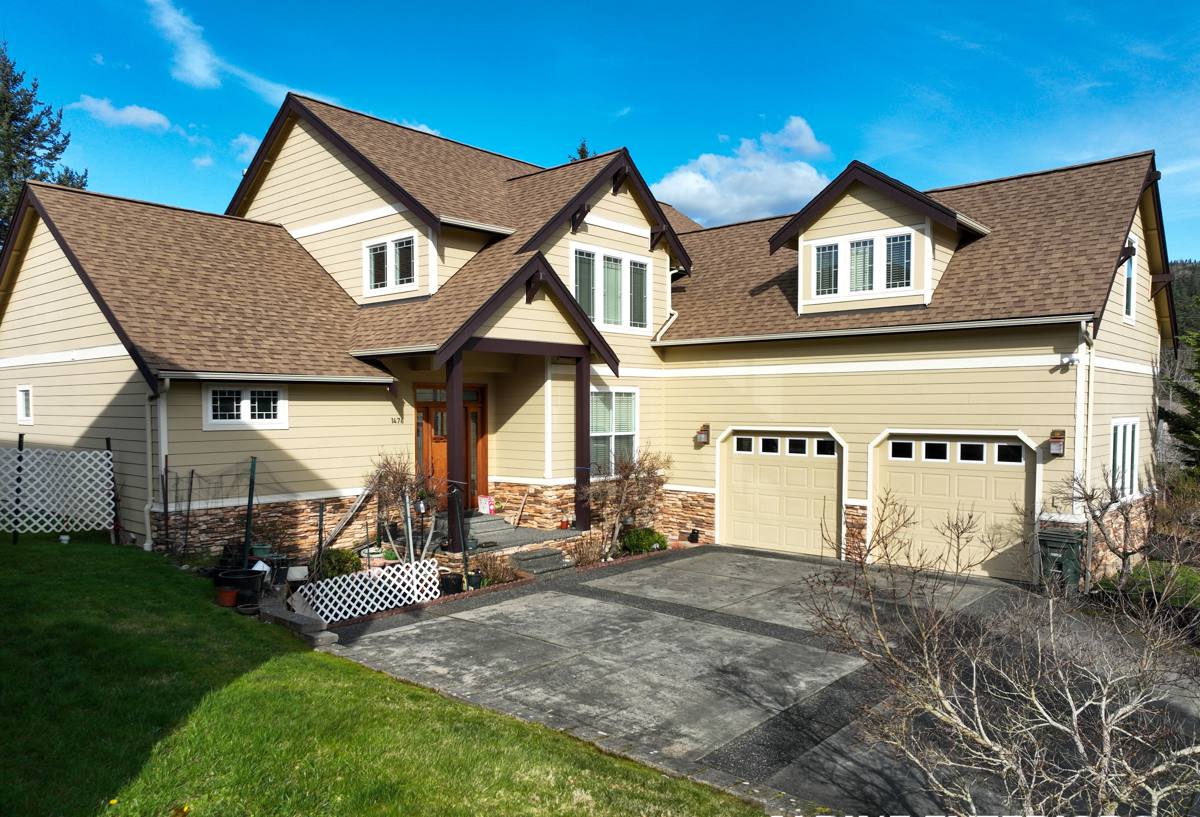
Conway sits low in the Skagit River valley, close enough to the estuary and Skagit Bay that salt-laden air is a regular visitor, not an occasional one. Add driving rain that comes in sideways during fall and winter storms, and a moss and algae season that stretches for months longer than it does on the dry side of the state, and you've got a set of conditions that will find every weak point in a window installation. This isn't a climate where you can treat window replacement as a simple swap-and-caulk job. The frame material, the glazing package, and — just as important — how the window is flashed and tied into the wall assembly all have to be chosen with this specific environment in mind.
We work throughout Burlington and the surrounding Skagit County communities, and Conway comes with its own quirks: older farmhouse-style homes with settled framing, newer construction on fill soil near the river, and everything in between. What works on a dry, sheltered lot doesn't always work here, and we plan every window job around that reality.
What "Energy-Efficient" Actually Means Here
Every window sold in the US carries an NFRC (National Fenestration Rating Council) label with a handful of numbers on it. Two matter most for our climate:
- U-factor — how well the window resists heat loss. Lower is better. In a marine climate like Skagit County, you want a U-factor in the 0.27–0.30 range or lower for most walls, since our heating season is long even though winters aren't brutally cold.
- SHGC (Solar Heat Gain Coefficient) — how much solar heat passes through the glass. Western Washington doesn't get intense year-round sun, so this number matters less here than it would in a hot, sunny climate, but east- and south-facing rooms still benefit from a moderate SHGC to avoid summer overheating without losing too much passive winter warmth.
Beyond the label, the glazing package matters. Double-pane, low-E glass with an argon gas fill is the baseline we recommend for nearly every Conway home. Triple-pane exists and does perform slightly better on paper, but the real-world energy gain over a good double-pane low-E unit is small, and the added weight and cost often aren't justified unless you're dealing with a specific noise or exposure problem. We'll tell you honestly when triple-pane makes sense and when it's overkill.
Frame Material: What Actually Holds Up in Salt Air and Rain
Frame choice matters more here than in a lot of other parts of the state, because salt air accelerates corrosion of metal components and constant moisture punishes anything that traps water against wood.
Vinyl
Vinyl is the most common choice for good reason — it doesn't rust, doesn't need painting, and handles moisture well as long as the welds and reinforcement are solid. The trade-off is that lower-end vinyl can warp slightly with big temperature swings and the color is baked in, not paintable if you want a color change later. For most Conway homes, a quality vinyl window is the right balance of performance, cost, and low maintenance.
Fiberglass
Fiberglass frames cost more but expand and contract at nearly the same rate as glass, which means tighter long-term seals and less stress on the glazing. They also take paint well if you want to match a specific exterior color scheme. We recommend fiberglass when a homeowner wants the highest durability and is willing to pay for it, especially on more exposed elevations facing prevailing weather.
Wood and Wood-Clad
Wood-clad windows look great and perform well thermally, but they carry a real maintenance burden in this climate — any breach in the cladding or finish lets moisture into the wood core, and in a salt-air, high-rain environment that breach happens faster than in a drier climate. We'll still install them if that's what a homeowner wants for a specific architectural style, but we're upfront that they need more upkeep here than vinyl or fiberglass.
Installation Is Where Most Window Failures Actually Start
We see it constantly: a perfectly good window that's failing prematurely, not because the unit itself was bad, but because it was installed without proper flashing and water management. In a climate with driving, wind-blown rain, this is the single biggest factor in whether a window lasts 10 years or 30.
A correct installation includes:
- A sloped sill pan under the window so any water that gets past the exterior seal drains back out, not into the wall cavity
- Proper flashing tape integration with the house wrap or weather-resistive barrier, shingled correctly so water sheds downward and outward at every layer
- Backer rod and quality sealant at the exterior trim, sized and installed to allow for movement without cracking
- Insulation (not just spray foam alone) around the frame to prevent both heat loss and condensation at the perimeter
Skipping any one of these is invisible on installation day and expensive two or three winters later, once rot has set into the framing. Since we also do siding work throughout the Burlington area, we think about window flashing and siding water management as one connected system, not two separate trades that happen to meet at the same opening.
How We Handle a Conway Window Project
- Walk-through and assessment — we look at each window's current condition, the wall assembly behind it, and any signs of past moisture intrusion before quoting anything.
- Product selection — we walk through frame material, glazing package, and grille/style options based on your home's exposure and your budget, not a one-size-fits-all recommendation.
- Coordinating with siding work — if siding is being replaced at the same time, we sequence window replacement first so flashing ties into the new water-resistive barrier correctly, rather than retrofitting new siding around old window flashing.
- Installation — old units removed, opening inspected for hidden rot or damage (and addressed before a new window goes in — never covered over), sill pan and flashing installed, new window set plumb and level, insulated and sealed.
- Final check — operation, weatherstripping, and exterior trim finish confirmed before we consider the job done.
Signs Your Current Windows Are Already Costing You Money
You don't need to wait for a window to fail completely before it's worth replacing. Watch for:
- Fogging or a permanent haze between panes — the seal has failed and the gas fill is gone, even if the window still opens and closes fine
- Condensation on the interior glass or frame on cold mornings — a sign of poor insulation value or air leakage
- Visible daylight or a draft you can feel around the frame when it's windy
- Wood trim or sill that stays damp or shows soft spots — often a flashing failure, not a window failure
- Difficulty opening, closing, or locking — frames that have swelled, warped, or settled
Cost Factors to Expect
Every home and window count is different, so we don't quote flat per-window pricing sight unseen, but these are the variables that move the number most:
| Factor | Why It Matters |
|---|---|
| Frame material (vinyl vs. fiberglass vs. wood-clad) | Fiberglass and wood-clad cost more upfront than vinyl; wood-clad also carries higher long-term maintenance cost |
| Glazing package (double-pane low-E vs. triple-pane) | Triple-pane adds cost with a modest efficiency gain — worth it in specific high-exposure spots, not usually whole-house |
| Window size and configuration | Larger openings, bay windows, and custom shapes cost more in both materials and install labor |
| Condition behind the existing window | Hidden rot or moisture damage found during removal adds repair scope that can't be fully known until the old unit is out |
| New construction vs. retrofit/replacement | Full-frame replacement with new flashing costs more than a like-for-like insert, but is often the right call on older, exposed homes |
| Number of windows done at once | Bundling multiple windows in one project usually lowers the per-window labor cost versus doing them one at a time |
Protecting the Investment: Moss, Algae, and Long-Term Care
Skagit County's extended damp season doesn't just grow moss on roofs — it feeds algae and grime buildup on window frames and glass, especially on north-facing and shaded elevations. This is mostly cosmetic on vinyl and fiberglass frames, but it's worth staying ahead of:
- Rinse frames and glass a couple times a year to keep organic growth from staining vinyl or fiberglass long-term
- Check exterior caulking and sealant annually for cracking or separation, especially after a hard winter
- Keep gutters and downspouts clear so overflow isn't running down onto window heads and trim
- Watch for soft or discolored trim near window corners — an early sign of a flashing issue worth catching before it spreads
- Operate windows through all four seasons so hardware doesn't seize up from disuse in a damp climate
Why Local Experience in Conway Matters
Window performance in this climate is decided as much by installation detail and site-specific exposure as by the product spec sheet. A crew that already works Conway and the greater Burlington area has seen how homes here actually age — where wind-driven rain hits hardest, which elevations grow moss fastest, and how older framing in this area tends to be built. That local pattern recognition means fewer surprises during the job and a better chance the flashing and water management decisions made on installation day are the right ones for your specific lot, not a generic textbook answer.
If you're weighing whether it's time to replace aging windows, or you want a second opinion on a quote you've already received, we're happy to take a look. Reach out for a free, no-pressure estimate — the form below gets you started.