 Burlington
 Deck Repair in Avon: Built for What Skagit County Weather Does to Wood
Avon sits close enough to the water and the flats around Burlington that decks here take a specific kind of beating. It isn't one big storm that wrecks a deck in this part of Washington — it's the slow, steady combination of salt-tinged air, driving rain that never seems to fully stop from fall through spring, and a moss season that can run half the year if a deck sits in any shade at all. A deck repair that doesn't account for all three of those things tends to fail again within a couple of seasons. One that does can add many years of safe, solid use to a deck that homeowners were ready to write off.
This page is about deck repair specifically for Avon and the immediate Burlington area — not a generic rundown of deck work. If you're looking at soft boards, a spongy step, or a deck that's gone green and slick, here's what's actually going on, what a correct repair looks like, and how we approach the work.
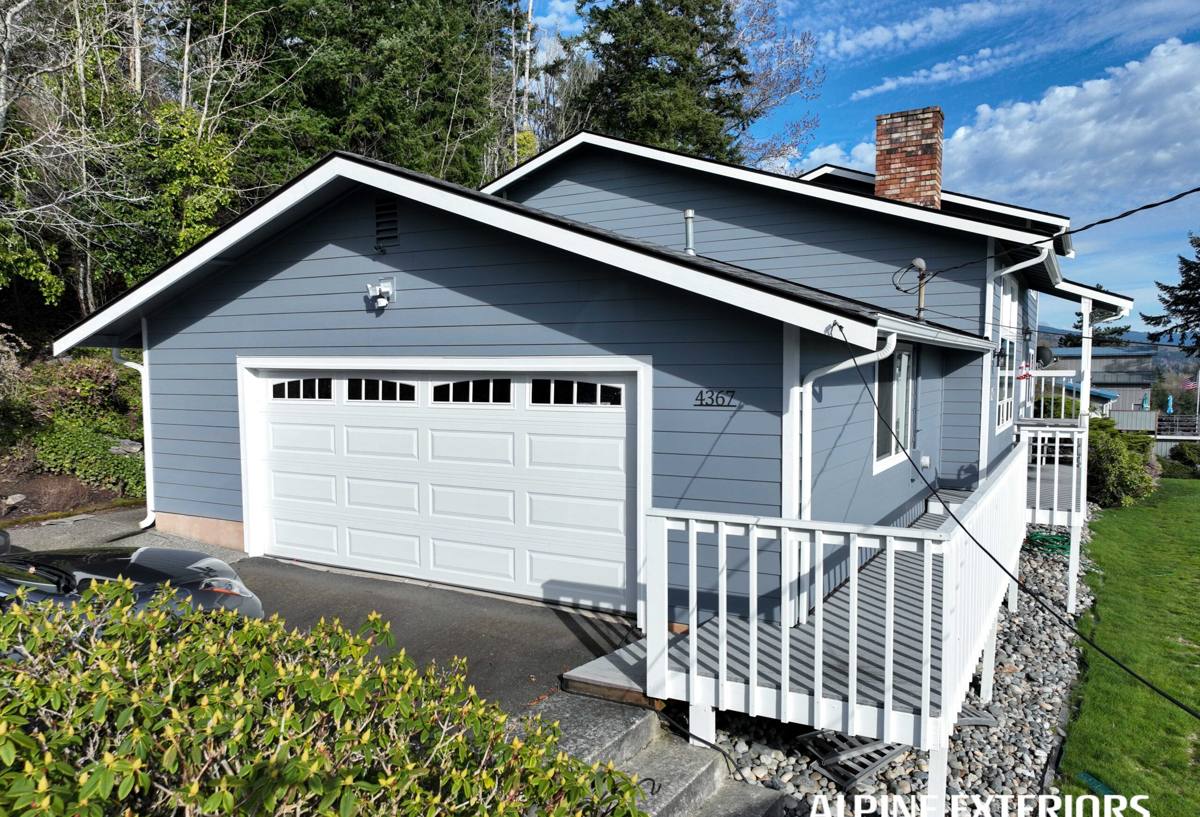
What Avon's Climate Does to a Deck Over Time
Moss and Constant Dampness
Moss doesn't just make a deck look neglected — it holds moisture directly against the wood surface, which is exactly what wood can't tolerate long-term. In Avon, decks under any tree cover or on the shaded side of a house can stay damp for days after a rain, giving moss and algae plenty of time to establish. Once moss gets a foothold in the grain of a board, cleaning the surface only slows it down; the underlying moisture problem is still there.
Salt Air and Driving Rain
Proximity to the water means the air carries a fine amount of salt, and salt accelerates corrosion in fasteners, brackets, and any exposed metal hardware. Combine that with rain that's frequently driven sideways by wind off the flats, and you get water intrusion in places a deck wasn't necessarily designed for — under railing posts, behind ledger boards, and into end-grain cuts that weren't sealed when the deck was built.
Freeze-Thaw Cycles in Between
Skagit County doesn't get brutal winters, but it does get enough freeze-thaw swings to matter. Water that's worked its way into a crack or a fastener hole expands when it freezes, widening the damage a little more each time. Over several winters, that's often the difference between a board that needs sanding and one that needs replacing.
Signs an Avon Deck Needs Repair, Not Just a Cleaning
A pressure wash can make a deck look better without fixing anything underneath. Here's what tells us the problem goes deeper:
- Boards that feel spongy or flex noticeably underfoot
- A screwdriver or awl sinking easily into a board's surface (a sign of rot, not just surface dirt)
- Persistent green or black staining that comes back within weeks of cleaning
- Rust streaks running down from screws, nails, or brackets
- Railings or posts that wobble when pushed
- Gaps opening up around the ledger board where the deck meets the house
- Stairs that feel uneven or bounce more than they used to
- A musty smell coming from underneath the deck, especially after rain
Any one of these on its own might be minor. Two or three together usually mean moisture has been working on the structure for a while, and it's worth having someone look underneath, not just at the surface.
What a Correct Deck Repair Actually Involves
Structural Inspection First
Before any board gets replaced, we check the framing underneath — joists, beams, and posts — because a deck can look fine on top while the structure holding it up is compromised. This matters more in Avon than in drier parts of the state, since moisture damage almost always starts from underneath or from a hidden connection point, not from the visible top surface.
Ledger Board and Flashing
The ledger board, where the deck attaches to the house, is the single most common source of hidden rot we find on repair calls. If flashing was missing or installed poorly when the deck was built, water has likely been getting behind it for years. A repair that replaces boards but skips this connection point is treating the symptom, not the cause.
Decking Boards and Fasteners
We replace boards that are genuinely compromised rather than the whole deck surface by default — there's no reason to tear out wood that still has years of life left in it. Fasteners get upgraded where needed, since the original screws or nails on an older Avon deck are often standard steel that's already showing corrosion from the salt air.
Railings and Stairs
Railings take a lot of stress at the post connections, and that's usually where we find loosening first. Stairs get checked for both structural soundness and slip resistance, since a mossy stair tread is a real fall hazard, not just a cosmetic issue.
Repair vs. Replacement: How We Make the Call
Not every deck problem calls for a full rebuild, and not every deck can be reasonably patched. Here's generally how we weigh it:
| Factor | Favors Repair | Favors Replacement |
|---|---|---|
| Framing condition | Joists and beams are sound | Structural rot in multiple framing members |
| Extent of damage | Isolated boards or connections | Damage spread across most of the deck |
| Age of deck | Newer deck, one weak area | Original materials near end of expected life |
| Ledger/flashing issues | Flashing intact, isolated leak | Widespread rot at the house connection |
| Homeowner goals | Extend life a few more years | Want a different layout, size, or material |
We'll give you an honest read on which side of that table your deck falls on, including cases where a repair is the right call even if a full rebuild would be more profitable for us.
Materials We Use for Avon Deck Repairs
Framing
Structural repairs use pressure-treated lumber rated for ground contact where appropriate, since that's the standard that holds up against the moisture load this area sees. We don't cut corners here by using untreated or lower-grade lumber on structural members just because it isn't visible once the deck boards go back down.
Decking Surface: Wood vs. Composite
Both wood and capped composite decking have a place in Avon, and each comes with trade-offs worth understanding before you decide:
- Wood decking (cedar or treated lumber) costs less upfront and can be spot-repaired board by board, but it needs regular cleaning and periodic sealing to resist moss and moisture in this climate — skip that maintenance and problems come back faster here than in drier regions.
- Capped composite decking costs more upfront and resists moss and rot better with less maintenance, but it's less forgiving of installation mistakes around spacing and ventilation, and damaged boards are typically replaced whole rather than patched.
We'll walk through both options honestly rather than pushing whichever is easier for us to install — the right choice depends on your budget, how much upkeep you want to do, and how the deck is used.
Our Repair Process
- On-site inspection of the deck surface, framing, ledger connection, and hardware
- Straightforward explanation of what's actually wrong and why, in plain terms
- A written estimate that separates structural work from cosmetic work, so you can see what's driving the cost
- Repair or replacement of compromised boards, framing, and hardware
- Correction of any flashing or drainage issues found at the ledger board
- Final check of railings, stairs, and fastener security before we call the job done
We don't upsell a full rebuild when a targeted repair will genuinely hold up, and we don't recommend patchwork on a deck where the framing is already failing.
Keeping a Repaired Deck in Good Shape Afterward
A repair holds up longest with a little seasonal attention, especially given how long moss season runs in this part of Washington:
- Clear leaves and debris from between boards before fall rains set in
- Rinse or lightly brush off moss growth as soon as it appears, rather than letting it establish
- Check that gutters and downspouts near the deck aren't dumping extra water onto or under it
- Re-seal wood decking on the schedule appropriate to the product used
- Have fasteners and railing connections checked every couple of years, since corrosion from salt air is gradual and easy to miss until something loosens
Why Hire a Crew That Already Works in Avon
Deck problems in Avon tend to follow patterns — the same ledger flashing shortcuts, the same shaded-side moss buildup, the same fastener corrosion — because the climate here is consistent about what it does to wood and metal over time. A crew that repairs decks across Burlington and the surrounding Skagit County area sees those patterns often enough to know where to look first instead of guessing. That's the difference between a repair that treats the visible damage and one that catches the hidden cause before it turns into a bigger job next year.
If you've got a deck in Avon that's showing moss, soft spots, loose railings, or just doesn't feel as solid as it used to, we're glad to take a look and give you a straight answer on what it needs. Reach out for a free, no-pressure estimate using the form below.