 Burlington
 Decks in Conway Face a Tougher Climate Than Most People Realize
Conway sits low in the Skagit River valley, close enough to tidal water and Puget Sound air that homes here deal with a mix most inland Washington towns never see: salt-tinged air moving up off the water, driving rain that comes in sideways during winter storms, and shaded, damp yards where moss and algae take hold fast. A deck built to a generic spec sheet doesn't hold up well under that combination. A deck built for Conway does.
We work throughout the Burlington area and Skagit County, and Conway decks get treated as their own category, not a copy-paste of what works in a drier or more sheltered part of the county. The framing, fastener choice, decking material, and finish schedule all get adjusted for what this specific stretch of the valley throws at a structure year-round.
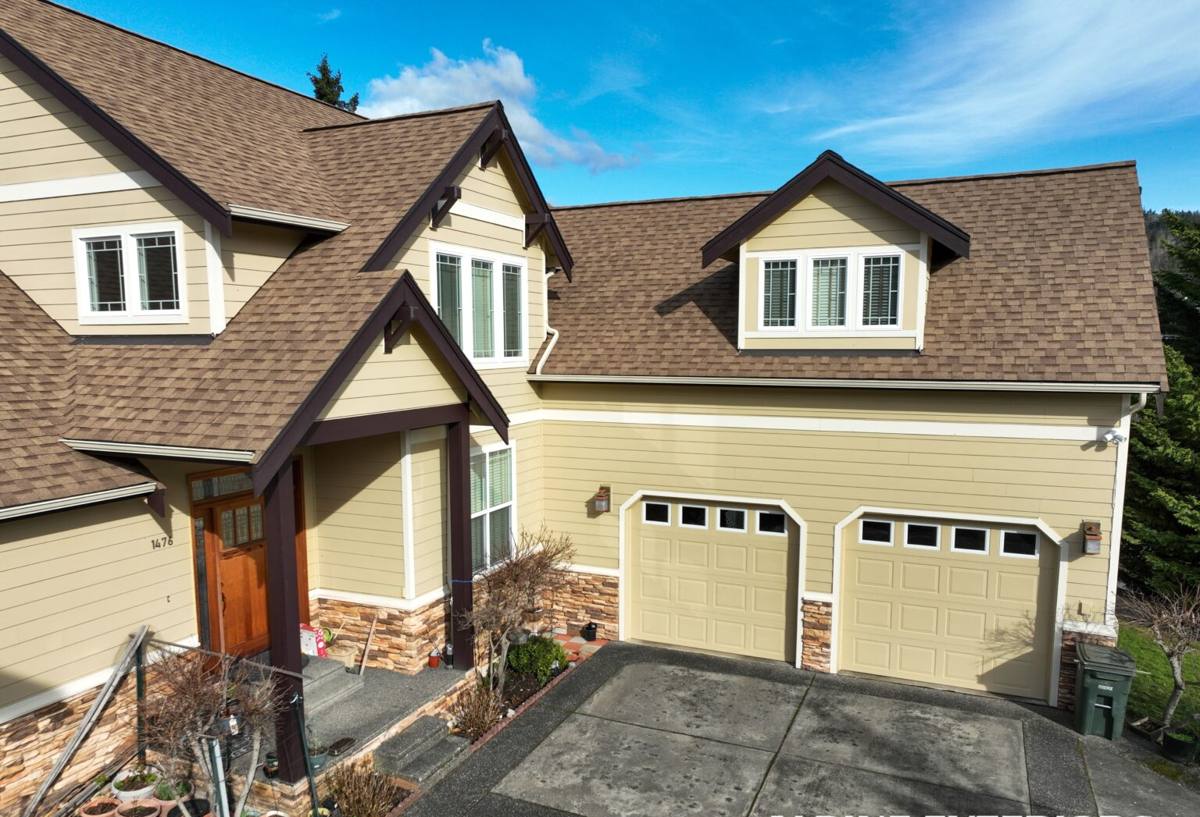
What a Conway Deck Is Actually Up Against
Before we talk about materials or process, it helps to understand the three things doing the most damage to decks in this area over time.
Salt Air
Proximity to the Skagit River estuary and the Sound means airborne salt is a real factor here, even a mile or two inland. Salt accelerates corrosion in fasteners, joist hangers, and any exposed metal hardware. It's slower and less dramatic than storm damage, but it's constant, and it's the reason we don't treat hardware selection as an afterthought on Conway jobs.
Driving Rain
Western Washington gets rain everywhere, but low-lying river valley towns like Conway see it come in wind-driven and sustained for days at a time. Water finds its way into any gap in flashing, ledger connections, or decking spacing that isn't done right the first time. Standing water and slow-draining framing are the two biggest causes of rot we see on older decks in this area.
Moss and Algae
Shade, moisture, and mild temperatures are a perfect combination for moss and algae growth. On decks, that means slippery surfaces underfoot, staining on wood and composite alike, and moisture held against the deck surface longer than it should be, which shortens the life of whatever material is used. Conway's tree cover and river-valley humidity make this a longer season here than in more open, sun-exposed parts of Skagit County.
Choosing Decking Material for This Climate
There's no single "best" decking material — there's a best material for a given budget, sun exposure, and maintenance appetite. Here's how the common options actually perform under Conway conditions specifically.
| Material | How It Handles Salt Air & Rain | Moss/Algae Resistance | Maintenance Needed |
|---|---|---|---|
| Pressure-treated wood | Good if fasteners and flashing are corrosion-rated; wood itself is treated for moisture | Low — needs regular cleaning and sealing to resist growth | Annual cleaning, periodic sealing/staining |
| Cedar | Naturally moisture- and insect-resistant, but still needs quality hardware | Moderate — better than untreated wood, still needs upkeep | Sealing every 1-2 years to maintain appearance and protection |
| Composite decking | Excellent — doesn't absorb water or rot | Moderate to good, depending on brand's surface texture and cap layer | Periodic washing; no sealing or staining required |
| PVC/capped polymer decking | Excellent — fully sealed surface, no wood fibers to hold moisture | Good — smoother, denser surfaces shed algae more easily | Low — occasional washing |
For a shaded, damp lot in Conway, we're often steering homeowners away from lower-grade composite products with textured, wood-grain surfaces, since those grooves can hold moisture and grow algae faster than a smoother cap. That's a judgment call based on how the material behaves in this specific climate, not a knock on composite decking as a category — it's still one of the lowest-maintenance options available, and a well-specified composite or PVC board holds up very well here.
Framing and Structure: What's Underneath Matters Most
The decking surface is what a homeowner sees, but the framing underneath is what determines whether a deck lasts ten years or thirty. In a river valley climate like Conway's, we pay particular attention to:
- Ledger board attachment — proper flashing where the deck meets the house is the single most common failure point we see on older decks. Water intrusion here can damage both the deck and the home's siding or sheathing.
- Joist protection — joist tape or an equivalent moisture barrier on top of each joist keeps rain from soaking into end grain and fastener holes, which is where rot typically starts.
- Post and footing depth — footings need to go below frost depth and be sized for the soil conditions on the specific lot, which can vary across the Skagit River valley floor.
- Drainage under the deck — grading and spacing that let water move away from the structure instead of pooling underneath it.
Skipping any of these to save time or cost is exactly how a deck ends up needing structural repair five or six years in, well before the decking surface itself would have worn out.
Hardware and Fasteners: Where Salt Air Does the Most Damage
This is the detail that separates a deck built for coastal-adjacent conditions from one built to a generic standard. Standard galvanized fasteners and joist hangers can start showing corrosion within a few years in salt-air exposure. On Conway projects, we specify stainless steel or heavy-duty coated fasteners and connectors rated for coastal or high-moisture use, along with hardware compatible with whatever decking material is chosen — some composite and PVC products require specific fastener types to maintain their warranty coverage.
It costs more upfront than using whatever hardware is on the shelf. It's also the difference between hardware that's still sound at year twenty and hardware that's rusting and weakening the connections at year seven.
Railings and Guards Built for Wind and Rain Exposure
Railings take a beating in this climate too — they're the most exposed part of the structure, catching wind-driven rain directly and holding moisture in joints and post connections longer than the deck surface does. We build railing systems with the same hardware standards as the rest of the structure, and we pay attention to post-to-frame connections specifically, since a loose or rotting railing post is both a maintenance headache and a real safety issue on a deck used year-round.
Our Deck-Building Process for Conway Homes
Every project starts with an honest look at the specific lot — sun exposure, tree cover, drainage, and how the deck will actually be used — before any material gets specified.
- On-site assessment. We look at grading, existing structure (if replacing a deck), sun and shade patterns, and how close the site is to standing water or dense tree cover, since that drives our moss and drainage recommendations.
- Design and material selection. We walk through decking, railing, and structural options with the real trade-offs explained — not just what looks good, but what holds up on this specific lot.
- Permitting. Most deck projects in Skagit County require a permit, especially anything attached to the home or built above a certain height. We handle that process rather than leaving it to the homeowner.
- Framing and structural work. Ledger flashing, joist protection, footings, and hardware get installed to the standard described above — this is the stage that determines the deck's actual lifespan.
- Decking, railing, and finish work. Surface material and railings go in, with attention to fastener spacing and drainage gaps between boards.
- Final walkthrough. We go over basic care for whatever material was installed, so the deck starts its life properly maintained instead of neglected from day one.
Keeping a Conway Deck Ahead of Moss Season
Even a well-built deck needs some seasonal attention in this climate. A short annual routine prevents most of the problems we get called out to fix on older decks.
- Sweep debris and standing leaves off the deck regularly through fall — trapped organic matter is what feeds moss and algae growth.
- Wash the surface at least once a year with a deck-safe cleaner; pressure washing wood decking requires care to avoid damaging the grain.
- Check railing posts and stair connections annually for looseness or soft spots.
- Inspect the ledger board area where the deck meets the house for any signs of water staining or gaps in flashing.
- Reseal or restain wood decking on the schedule appropriate to the product — waiting too long lets moisture back into the wood.
- Clear gutters and downspouts near the deck so roof runoff isn't draining directly onto or under the structure.
Cost Factors for a Conway Deck Project
Every deck project is different, and we don't quote a number without seeing the site, but the factors below are what actually move the price up or down, in rough order of impact.
| Factor | Why It Matters |
|---|---|
| Size and shape | Larger and multi-level decks require more framing, footings, and material |
| Decking material | Pressure-treated wood is the lowest upfront cost; composite and PVC cost more upfront but less in long-term maintenance |
| Height above grade | Taller decks need more substantial railing systems and often additional stair structure |
| Site access and grading | Difficult access or uneven, wet ground can add to excavation and footing work |
| Hardware specification | Coastal-rated stainless and coated fasteners cost more than standard galvanized hardware |
| Railing style | Cable, glass, or custom railing systems cost more than standard baluster railings |
Permits and Code in Skagit County
Most attached decks and any deck built a certain height above grade require a permit through Skagit County or the applicable local jurisdiction, along with inspections at key stages — typically footings and framing before the decking goes on. Skipping permitting on a deck project isn't just a legal risk; it also means no third-party inspection ever confirmed the structural work was done correctly, which matters most in a climate that's hard on framing connections. We handle permitting as a standard part of the process rather than something homeowners have to navigate on their own.
Why It Matters That We Already Work in Conway
A crew that only occasionally works this part of the Skagit County valley is guessing at some of these details every time. A crew that regularly builds and repairs decks in and around Conway and Burlington already knows how the local moisture and salt exposure behave over a full year, which hardware holds up, and which decking products actually perform in shaded, damp yards versus how they look on a showroom sample. That familiarity shows up in fewer callbacks, fewer surprises, and a deck that's still solid well past when a generic build would start showing problems.
If you're considering a new deck, a rebuild, or repairs to an existing one in Conway, we're happy to take a look and give you a straightforward, no-pressure estimate — just fill out the form below to get started.