 Burlington
 Custom Decks Built for Avon's Corner of Skagit County
Avon sits in one of the wetter, breezier pockets of the Burlington area, close enough to tidal water and the Skagit River delta that homes here deal with a steady mix of driving rain, damp ground, and salt-tinged air for most of the year. A deck built for a dry-climate spec sheet doesn't hold up the same way out here. Boards cup, fasteners bleed rust, and moss creeps into anything that stays shaded and damp too long. Building a deck that lasts in Avon means starting from the local weather, not a generic plan.
This page covers what a custom deck project actually involves for a home in this area — material choices, framing details that matter more here than in drier climates, our build process, and the maintenance rhythm that keeps a deck sound through Skagit County winters.
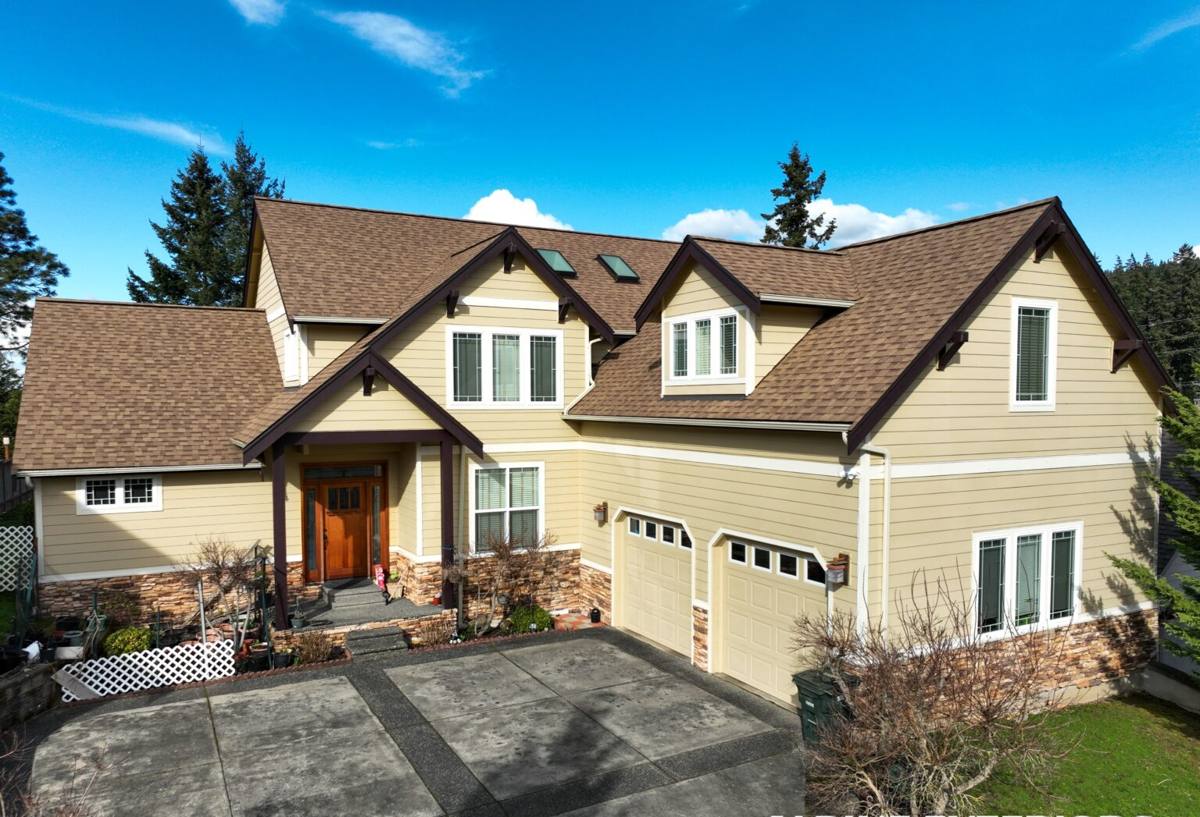
What Burlington's Climate Does to an Outdoor Deck
Three things drive almost every deck problem we see in this area, and they compound each other.
Driving rain and standing moisture
Rain here often comes sideways with wind, which pushes water into joints, under railings, and behind ledger boards that would stay dry in a calmer climate. Any gap in flashing or any spot where water can collect instead of shed becomes a slow rot problem, usually hidden from view until the damage is well established.
A long moss season
Shaded decks, north-facing decks, and decks under mature trees stay damp long enough each year for moss and algae to take hold. Beyond looking bad, moss holds moisture directly against the deck surface and grout lines between boards, which accelerates decay in wood and can stain composite material if it's left to build up season after season.
Salt air off the delta
Proximity to tidal water and the Skagit delta means a low but real level of salt content in the air, especially during windy weather. Salt air speeds up corrosion in fasteners, brackets, and any exposed metal hardware — a slow process that shows up years later as rust streaks, loosened connections, or weakened joist hangers if the wrong-grade hardware was used at the start.
Picking Decking Material That Can Handle This Environment
There's no single "best" decking material — there's a best material for a given budget, sun exposure, and how much upkeep a homeowner actually wants to do. In Avon's climate, the trade-offs are worth understanding before committing.
Pressure-treated wood
Still the most affordable option and a fine choice when it's properly sealed and re-sealed on a schedule. The honest trade-off: wood needs a homeowner willing to stay on top of annual or biennial sealing, because gaps in that maintenance are exactly where moss and rot get a foothold in this climate.
Composite decking
Composite resists moisture absorption far better than wood and won't need staining or sealing, which matters in a climate with this much rain. The trade-off is upfront cost and the fact that lower-grade composites can still develop surface mold in consistently shaded, damp spots if they aren't cleaned periodically.
Cellular PVC decking
The most moisture-resistant option of the three, since it contains no wood fiber for moisture to penetrate. It carries the highest material cost, and we're selective about which PVC products we install — some lower-tier lines have had issues with expansion and contraction in temperature swings, which we account for in fastening and gap spacing regardless of brand.
| Material | Upfront Cost | Maintenance | Moisture Resistance |
|---|---|---|---|
| Pressure-treated wood | Lowest | Annual/biennial sealing needed | Fair with upkeep |
| Composite | Mid to high | Periodic washing, no sealing | Good |
| Cellular PVC | Highest | Occasional washing | Best |
The Framing and Substructure Most Homeowners Never See
Decking material gets all the attention, but the structure underneath is what actually determines whether a deck lasts 10 years or 30 in this climate. This is also where we see the most corner-cutting from past work when we get called out to repair someone else's deck.
Ledger board and flashing
Where the deck attaches to the house is the single most common failure point in wet climates. Proper flashing — installed in the right order relative to the house's siding or water-resistive barrier — keeps water from tracking behind the ledger and into the rim joist or wall framing. We treat this connection as the most important detail on the job, not an afterthought.
Footings and posts
Footings need to sit below frost depth and bear on undisturbed, properly compacted soil. In Avon's damp ground conditions, we also pay attention to drainage around footings so water doesn't pool against posts year-round, which shortens the life of even treated lumber.
Drainage underneath the deck
Low decks with little airflow underneath are common trouble spots — moisture gets trapped, and moss and mildew take hold on the underside of boards where nobody looks until there's a problem. Grading, ventilation gaps, and sometimes a simple under-deck drainage system make a real difference over time.
Hardware and fasteners
Given the salt content in the air here, we use fasteners, joist hangers, and connectors rated for coastal or high-corrosion environments rather than standard-grade hardware. It costs a little more upfront and saves a homeowner from hidden hardware failure a decade in.
Railings, Stairs, and Code Requirements
Skagit County follows the Washington State Building Code for residential decks, which sets requirements for railing height, baluster spacing, stair rise and run, and guard strength on any deck above a certain height off grade. Beyond meeting code, railing choice affects how much maintenance a deck needs long-term — wood railings need the same sealing schedule as wood decking, while metal or composite railing systems hold up with less attention in wet, salt-tinged air. We walk homeowners through these options as part of design, not as an afterthought once the deck is already framed.
How We Build an Avon Deck, Start to Finish
- Site visit and assessment — we look at sun exposure, drainage patterns, existing structure (if replacing a deck), and how the space will actually get used.
- Design and material selection — layout, decking material, railing style, and any features like built-in seating or multi-level design, matched to budget.
- Permitting — we handle the permit process with the county or city as required for the scope of work.
- Demolition of the old deck, if applicable, including a check of the ledger area and framing underneath for hidden rot before building new.
- Framing — footings, posts, beams, joists, and ledger flashing, built to current code and with corrosion-resistant hardware throughout.
- Decking, railing, and stairs installed per the chosen materials and design.
- Final walkthrough with the homeowner to review the finished deck and maintenance expectations for the material chosen.
Keeping Your Deck Sound Through Skagit County Winters
Whatever material a deck is built from, a little seasonal attention prevents most of the problems we get called out to fix. A practical maintenance routine for this climate looks like this:
- Sweep leaves and debris off the deck surface regularly in fall, before they trap moisture against the boards
- Rinse or scrub visible moss and algae as soon as it appears, rather than waiting until it's established
- Check and clear gaps between boards so water can drain through instead of pooling
- Inspect the ledger board area and any flashing once a year for signs of water staining or gaps
- Reseal wood decking and railings on the schedule recommended for the specific product used
- Look underneath the deck occasionally for standing water, moss, or blocked drainage paths
- Check metal hardware and fasteners periodically for early rust or corrosion, especially on older decks
Why Hiring a Crew That Already Works in Avon Matters
A contractor who builds decks across a wide range of climates will default to generic specs unless pushed otherwise. A crew that regularly works in this specific part of Skagit County already knows which details matter here — the flashing sequence that keeps driving rain out of a ledger connection, the hardware grade that holds up against salt air, and which decking products actually perform in a climate with this much shade and moisture rather than just looking good on a showroom sample. That local pattern recognition is what separates a deck that needs attention every year from one that quietly does its job for decades.
We also know the local permitting process and inspection expectations, which keeps a project moving instead of stalling on paperwork a homeowner didn't know to expect.
Get a Straightforward Estimate
If you're planning a new deck or replacing an aging one in Avon, we're happy to take a look and walk through honest options for your budget and site — no pressure, no upsell. Use the form below to request a free estimate.