 Burlington
 Anacortes Roofs Work Harder Than Most
Anacortes sits out on Fidalgo Island, surrounded by Rosario Strait, Guemes Channel, and Padilla Bay, which means almost every roof in town gets a steady diet of salt-laden air on top of the normal Skagit County rain load. That combination is harder on a roof than straight inland rainfall alone. Salt air speeds up corrosion on exposed metal, and driving rain off the water finds its way into laps and seams that would stay dry on a more sheltered roof a few miles inland in Burlington.
We work on roofs in both places, and we treat them differently on purpose. A repair plan that works fine in a sheltered Burlington neighborhood can fall short on a home a few blocks from the water in Anacortes. This page is about what actually holds up on Anacortes roofs, why certain repairs fail early here, and what we do differently because of it.
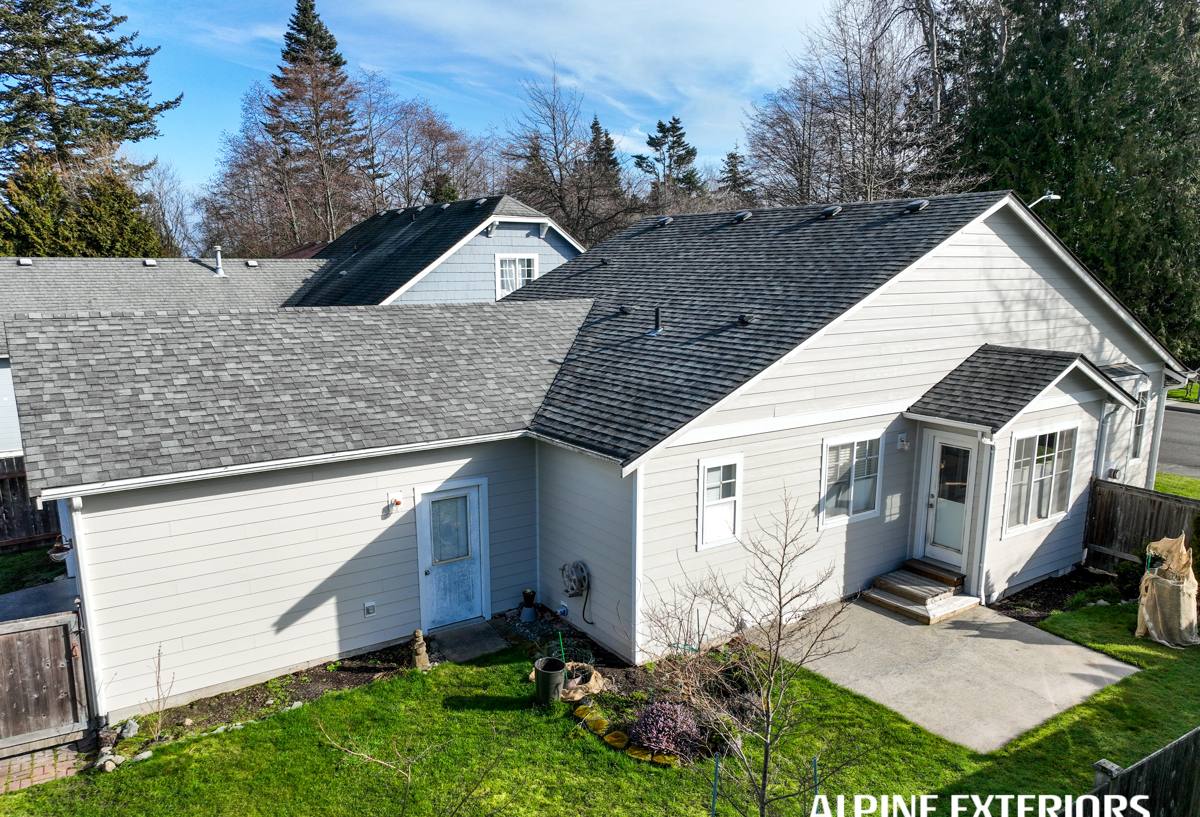
What Salt Air and Marine Weather Actually Do to a Roof
Salt air isn't just an inconvenience — it's a slow chemical process. Airborne salt settles on every exposed surface and, combined with moisture, accelerates oxidation on anything metal: nail heads, flashing, roof vents, and gutter hardware. On a roof a mile or two from the water, that process can shave real years off the service life of fasteners and flashing compared to the same materials installed inland.
- Fasteners: standard galvanized nails corrode faster near salt water and can back out or lose holding power well before the shingles around them are worn out.
- Flashing: thin or poorly-lapped flashing pits and thins over time, opening pinholes that leak long before the metal looks obviously bad from the ground.
- Vents and hardware: plastic and painted metal roof vents near the water tend to show UV and salt wear sooner, which shows up as brittle plastic or peeling paint around the collar.
- Sealants: caulk and roofing cement exposed to constant damp salt air lose flexibility faster, which is exactly where small leaks start.
None of this means a roof near the water is doomed — it means the repair has to account for the environment instead of using whatever would work anywhere else.
The Long Moss Season Adds Its Own Damage
Skagit County's moss season runs long, and Anacortes gets extra help from marine humidity and shaded, north-facing roof sections that never fully dry out between rains. Moss isn't just cosmetic. As it establishes on a shingle roof, it lifts shingle edges, holds moisture against the roof deck, and creates a channel for wind-driven rain to work its way under the shingle line instead of shedding off the surface the way the roof was designed to.
Left alone through a few wet seasons, moss growth is one of the most common reasons we get called out for a "small leak" that turns out to be a deck already showing soft spots underneath. Moss removal has to be done carefully — aggressive scraping or pressure washing can strip granules and do more damage than the moss itself, which is why we treat moss removal as a repair skill, not just a cleaning task.
Signs Moss Has Already Caused Damage
- Shingle edges that look lifted or curled where moss has been growing
- Dark streaking or staining below moss patches after rain
- Soft or spongy feel underfoot in shaded roof sections
- Granules collecting in gutters below mossy areas
- Interior ceiling stains that show up only after several days of steady rain
The Repairs We See Most Often on Anacortes Homes
| Problem | Typical Cause Near Anacortes | What It Looks Like |
|---|---|---|
| Flashing leaks at chimneys and walls | Salt-accelerated corrosion, thin original flashing | Interior staining near the flashing line, especially after wind-driven rain |
| Valley leaks | Debris and moss slowing water flow in valleys | Water tracking sideways under shingles instead of down the valley |
| Fastener back-out / nail pops | Corrosion and freeze-thaw cycling on exposed nail heads | Raised bumps in the shingle surface, small pinhole leaks |
| Moss-related deck softening | Extended damp season on shaded slopes | Soft decking, sagging felt or underlayment when shingles are lifted |
| Vent and pipe boot failure | UV and salt exposure drying out rubber boots | Cracked rubber collars, leaks concentrated around a single penetration |
What a Correct Roof Repair Actually Involves
A roof repair that holds up in this climate is more than swapping a few shingles. It has to address the cause, not just the symptom that's visible from the ground.
Diagnosis Before Anything Else
Most leaks show up somewhere different than where they enter the roof — water follows the path of least resistance along the deck or underlayment before it drips through drywall. A correct repair starts by tracing the actual entry point, which usually means getting on the roof and checking flashing, valleys, and penetrations near the reported leak, not just patching the spot below the stain.
Matching Materials, Not Just Covering the Spot
Shingles fade and wear at different rates depending on sun and salt exposure, so a patch using leftover or mismatched shingles often stands out and can shed water differently than the surrounding roof. We match material type, and where an exact color match isn't possible, we place repairs where they'll blend as well as the situation allows.
Flashing and Fastener Upgrades Where It Matters
If the cause of a leak is corroded flashing or failing fasteners, replacing shingles alone doesn't fix anything — it just delays the next call. In salt-air areas like Anacortes, we look hard at whether flashing and fasteners need upgrading to better-suited materials as part of the repair, rather than reusing what's already failing.
Deck Repair When Water Has Gotten Underneath
When moss or a long-standing leak has softened the roof deck, patching over it doesn't hold. That section of decking needs to come out and be replaced with sound material before new underlayment and roofing go back down — skipping this step is the single most common reason a "repaired" roof leaks again within a year or two.
Our Roof Repair Process
- Inspection. We get on the roof (not just a ground-level look) and check flashing, valleys, penetrations, and the general condition of the roofing material around the problem area.
- Honest assessment. We tell you plainly whether this is a targeted repair, a larger section repair, or a situation where repair isn't a good long-term value compared to replacement.
- Written scope. You get a clear explanation of what we found and what the repair will include before any work starts.
- The repair itself. Removal of damaged material, deck repair if needed, correct flashing and underlayment work, and matched roofing material installed to shed water the way the rest of the roof does.
- Cleanup and check. Job site cleared of debris and fasteners, and a final check that the repair area ties in properly with the surrounding roof.
Repair vs. Replace: How We Help You Decide
Not every roof problem in Anacortes needs a full replacement, and not every "small leak" is actually small once you're up there looking at it. We walk you through the honest tradeoffs rather than defaulting to the bigger job.
| Factor | Leans Toward Repair | Leans Toward Replacement |
|---|---|---|
| Age of existing roof | Roof is well within its expected service life | Roof is at or past the age where materials are failing broadly, not just in one spot |
| Extent of damage | Isolated to one flashing line, valley, or small section | Multiple areas showing wear, moss damage, or fastener failure |
| Deck condition | Deck is solid where exposed | Soft or damaged decking found in more than one area |
| Material availability | Matching shingles or panels are available | Discontinued material makes a clean match impossible |
| Cost over time | Repair cost is modest relative to remaining roof life | Repeated repair calls are adding up to a meaningful fraction of replacement cost |
Materials and Fasteners We Choose for Salt-Air Exposure
We don't use one standard spec for every roof in Skagit County. For homes in Anacortes and other marine-exposed areas, we pay closer attention to corrosion resistance in flashing and fastener choices, and we're careful about sealant products that hold up to sustained damp, salty conditions rather than drying out and cracking within a season or two. This is a matter of matching the repair to the environment, not a knock on any particular manufacturer — a fastener or flashing detail that performs fine in a dry inland attic can simply wear out faster a few blocks from the water.
Roof Repair Checklist for Anacortes Homeowners
- Check gutters after windy, rainy weather for granule buildup, which can signal accelerated shingle wear
- Look at shaded, north-facing roof slopes each fall for early moss growth before it spreads
- Note any ceiling staining and when it appears — during storms, after storms, or constantly — it helps us diagnose faster
- Have flashing around chimneys, skylights, and roof-to-wall intersections checked every couple of years, since these are the first places salt-air corrosion shows up
- Avoid pressure washing moss off yourself — it can strip granules and shorten the roof's remaining life
- Get a professional look at any repair before winter storm season if you've noticed a leak, rather than waiting for it to get worse
Why Hire a Crew That Already Works in Anacortes
A contractor who mostly works inland can still do competent work, but they may not think in terms of salt-air corrosion timelines or the specific moss patterns that show up on shaded, water-facing roof slopes. We work throughout Skagit County, including Anacortes, and we build our repair decisions — fastener choice, flashing details, how aggressively to treat moss, when to recommend replacement instead of another patch — around what actually holds up in this specific coastal environment. That's the difference between a repair that lasts and one that's back on the schedule in two years.
If you're dealing with a leak, visible moss damage, or just want an honest look at the condition of your roof, we're happy to come out for a straightforward, no-pressure estimate — use the form below to get started.