 Burlington
 Alger's Climate Is Harder on Windows Than It Looks
Alger sits in that stretch of Skagit County where Puget Sound air, low tree cover, and heavy Pacific Northwest rainfall all meet in one place. Properties out here tend to be more rural and wooded than in downtown Burlington, with more mature fir and cedar shading the roofline and siding for most of the year. That combination — moisture-laden air off the water, near-constant shade, and driving rain that comes in sideways during fall and winter storms — is exactly the environment that wears out windows faster than manufacturers' brochures ever admit.
We're not talking about catastrophic failure overnight. It's slower than that: seals that soften and let in moist air, wood sills that hold water long enough to start rotting from the inside, and aluminum or vinyl frames that develop a fine layer of moss or algae in the corners where sun never reaches. By the time a homeowner notices drafts or fogging between panes, the underlying damage is usually a year or two ahead of what's visible.
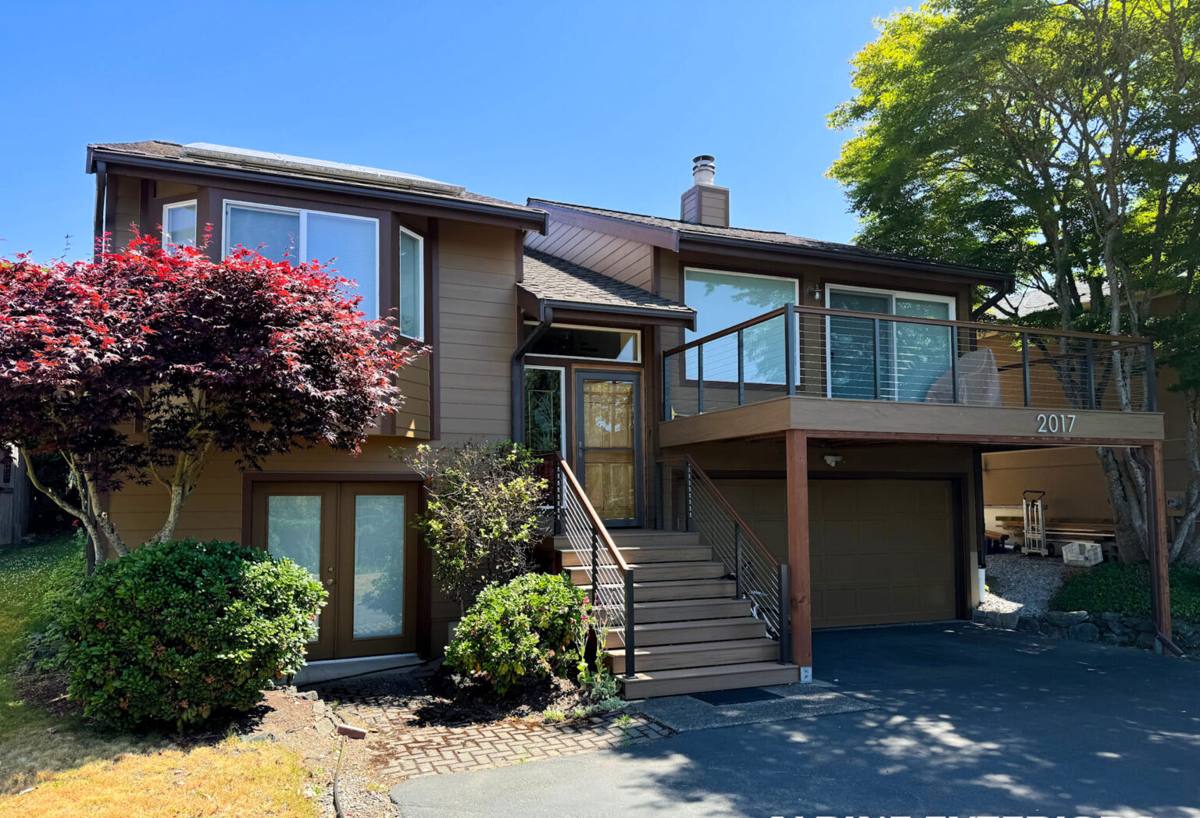
What Alger Homes Actually Need From Their Windows
Custom windows here aren't just about picking a style you like. The right specification depends on how exposed the wall is, how much shade it gets, and what's behind the siding. A few things matter more in Alger than in a drier, more open part of the county:
- Corrosion-resistant hardware — locks, hinges, and balances that won't seize or pit from salt-tinged moisture in the air
- Solid weatherstripping and multi-point locking — driving rain finds any gap, and Skagit County storms come from multiple directions in the same season
- Frame materials that don't wick water — especially on north- and west-facing walls that stay damp longer under tree cover
- Proper drainage paths built into the frame — so any water that does get past the outer seal has somewhere to go besides your wall cavity
None of this is exotic. It's mostly about specifying the right product for the exposure and then installing it correctly — which is where most window problems actually start.
Signs Your Current Windows Are Already Behind
Before we talk about replacement, it's worth knowing what to look for. These are the patterns we see most often on service calls in and around Alger:
- Condensation or fogging between the panes of a double- or triple-glazed unit — the seal has failed and the gas fill is gone
- Soft or discolored wood at the sill or bottom corners of the frame
- Visible moss or dark streaking building up in frame corners or tracks, especially on shaded walls
- Drafts you can feel with a hand near the frame on a windy day, even with the window latched
- Difficulty opening, closing, or locking a window that used to operate smoothly
- Paint or caulk around the exterior trim that's cracked, peeling, or pulling away from the siding
Any one of these on its own might just mean a tune-up or re-caulk. Two or three together, especially on the same window, usually means it's time to talk about replacement before the damage spreads into the wall framing.
What a Correct Installation Actually Involves
The window itself is maybe half the job. The other half — the part homeowners can't easily judge — is how it's installed. In a climate like Alger's, installation quality is often the difference between a window that lasts twenty-plus years and one that starts leaking behind the trim in five.
Flashing and Sealing
Every opening needs proper flashing integrated with the house wrap or building paper, not just a bead of caulk around the trim. Water has to be directed out and down, never allowed to pool at the sill or track back behind the siding. This matters more here than in drier climates because Alger's rain events are frequent and prolonged, not just occasional downpours.
Fit and Shimming
An undersized or oversized rough opening gets shimmed to plumb and square before the window ever goes in, with insulation packed correctly around the frame — not stuffed too tight, which can bow the frame, and not left with gaps that become a thermal and moisture path.
Fastening and Sill Protection
Sill pans or sill flashing under the frame catch any water that gets past the outer seals and route it back outside instead of into the wall cavity below. This one detail prevents a huge share of the hidden rot we find when we replace older windows in this area.
Frame Material Comparison for Alger's Conditions
| Material | How It Handles Alger's Climate | Maintenance | Typical Lifespan |
|---|---|---|---|
| Vinyl | Won't rot or corrode; good seal life with quality hardware | Occasional cleaning; no painting needed | 20–30 years |
| Fiberglass | Very stable in wet, temperature-swinging conditions; minimal expansion/contraction | Low; can be painted if desired | 30+ years |
| Wood (clad exterior) | Good insulator but the exposed wood interior needs the exterior clad to stay fully sealed against moisture | Higher — watch seams where cladding meets wood | 20–30 years with upkeep |
| Aluminum | Conducts cold and can corrode faster near salt-influenced air without a quality finish | Moderate; check finish integrity over time | 15–25 years |
We don't push one material on every job. A shaded, rain-exposed wall on a rural Alger property calls for a different recommendation than a sheltered wall on the same house — we look at each elevation, not just the whole house at once.
Glass Package Matters Too
Double-pane with a low-E coating is the practical baseline for this climate — it cuts heat loss in our cool, wet winters and helps with glare and fade from the low-angle sun we do get. Triple-pane adds more insulation value and is worth discussing on north-facing or particularly exposed walls, but it isn't automatically the right call for every opening; we'll tell you honestly where it pays off and where it doesn't.
Our Process, Start to Finish
- On-site assessment — we look at each window from both sides, check for existing rot or seal failure, and note exposure differences wall by wall
- Honest recommendation — material, glass package, and style options that fit the house and the budget, with trade-offs explained plainly
- Written estimate — clear line items, no vague allowances
- Site prep and protection — landscaping and interior finishes covered before any removal begins
- Careful removal — old frames come out without unnecessary damage to surrounding siding or trim
- Inspection of the opening — this is where we catch hidden rot or past water intrusion before it gets sealed behind a new window
- Correct installation — flashing, sill protection, shimming, and sealing done to hold up against Skagit County weather, not just look good on install day
- Final walkthrough — we operate every window with you and answer questions before we consider the job done
What Influences Cost
| Factor | Why It Moves the Price |
|---|---|
| Frame material chosen | Fiberglass and premium vinyl cost more upfront than basic vinyl or aluminum |
| Number of window sizes/shapes | Custom or non-standard openings cost more than matching standard sizes |
| Condition behind the old window | Rot repair or reframing adds labor once the opening is exposed |
| Access and height | Second-story or hard-to-reach openings take longer and need more equipment |
| Glass package | Triple-pane and specialty coatings add cost per unit |
| Trim and exterior finish work | Matching existing siding or trim profiles takes more time than a plain reinstall |
We won't quote a whole-house number before seeing the actual openings — too much of the real cost depends on what we find once trim comes off, especially on older Alger homes where a previous owner's caulk-and-hope repair job is sometimes hiding a bigger issue.
Why It Matters to Hire a Crew That Already Works in Alger
Alger isn't a huge market, but it has its own quirks: more tree cover, more rural construction styles, occasional well water and septic considerations that affect how we protect a work site, and a climate exposure that leans wetter and shadier than parts of Burlington proper. A crew that's already worked several jobs out here isn't guessing about which walls need extra attention to flashing or which frame materials hold up — they've seen what fails and why, on houses like yours, in this exact weather pattern.
That local pattern recognition is worth more than a slightly lower bid from a crew driving in from outside the county with no track record in Skagit County's specific rain and moisture conditions.
Living With Your New Windows: Moss Season Maintenance
Even the best installation benefits from basic seasonal care in this climate:
- Rinse frame tracks and weep holes clear of debris before the fall rains start
- Check for moss or algae buildup on shaded frames once or twice a year and clean it off before it holds moisture against the finish
- Inspect exterior caulk lines annually — UV and moisture cycling break down sealant faster here than in drier climates
- Trim back branches or foliage that keep a window in constant shade and damp if you can — it slows moss growth significantly
If you're weighing new windows for a home in Alger, we're happy to come take a look and give you a straight assessment of what your current windows need — replacement, repair, or just better maintenance. The estimate is free, there's no pressure, and you'll get an honest answer either way. Use the form below to get started.