 Burlington
 Window Installation Built for Blanchard's Climate
Blanchard sits in a part of Skagit County where the weather doesn't do anything by half measures. Homes here get salt-laden air rolling in off the water, wind-driven rain that hits windows sideways instead of straight down, and enough shade and moisture to keep moss thriving for most of the year. None of that is a problem for a well-built, correctly installed window. All of it is a problem for a window that was installed fast, sealed with the wrong products, or flashed incorrectly. The difference between a window that lasts twenty-plus years and one that starts leaking in five almost always comes down to installation detail, not just the window brand on the label.
This page is specifically about window installation for homes in and around Blanchard — what the local conditions demand, what a correct install actually involves, and what to expect if you hire us to do it.
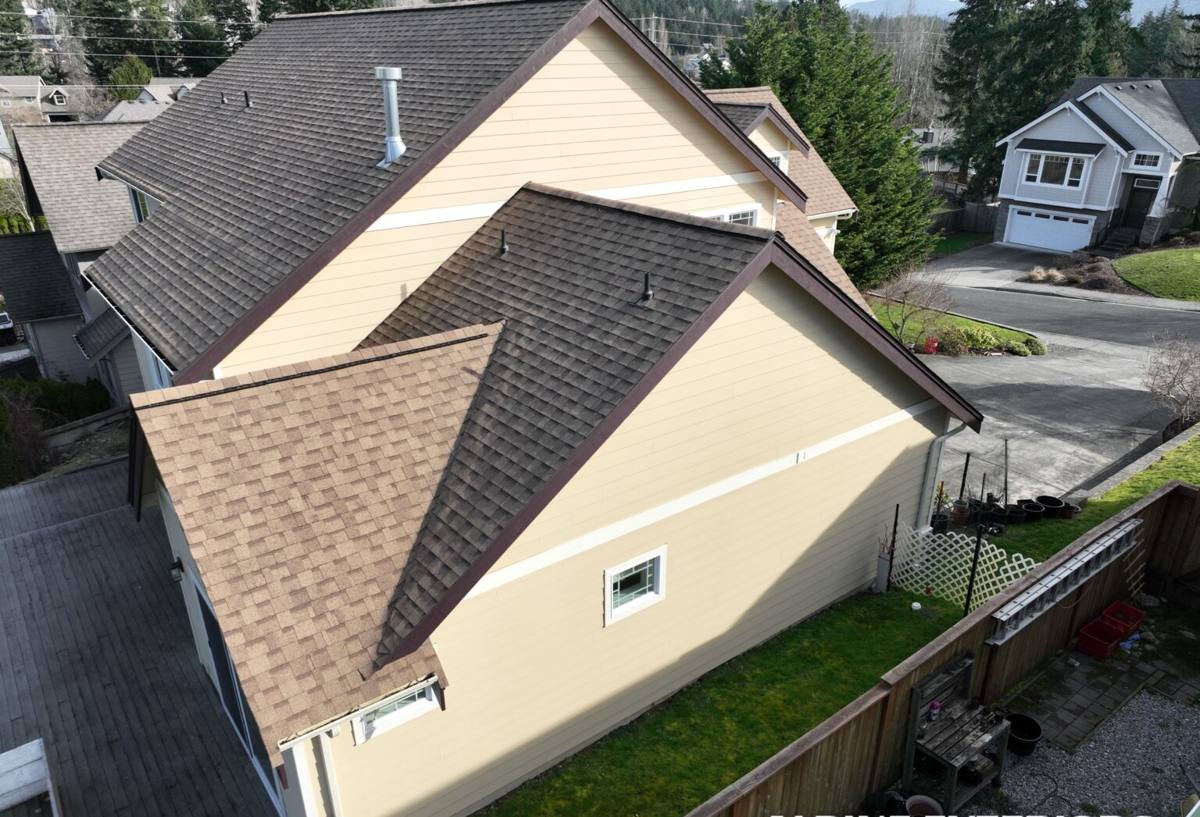
What Blanchard's Climate Does to Windows Over Time
Salt Air and Hardware Corrosion
Even a few miles inland from open water, airborne salt finds its way into window hardware, screen frames, and any exposed fasteners. Over years, this shows up as pitting on hinges and locks, corrosion on aluminum components, and premature failure of cheaper hardware finishes. It's rarely dramatic — it's a slow decline that homeowners often chalk up to "the window just getting old" when it's really a material choice issue.
Wind-Driven Rain and Water Intrusion
Skagit County storms don't always come straight in. When wind pushes rain sideways against a wall, water gets forced into gaps that would never see moisture in a calm rain. This is where flashing and sealant detail matters more than almost anything else about the window itself. A structurally sound, well-reviewed window installed without a proper sill pan or head flashing will still leak into the wall cavity during a hard blow — and that kind of leak can go undetected behind drywall for a long time before it shows up as a stain or soft spot.
Moss, Shade, and Trapped Moisture
Wooded, shaded lots hold moisture longer than open ones, and that means moss and algae growth on siding, trim, and window sills that don't get much direct sun. Moss holds water against wood surfaces and finishes, which accelerates rot on any exterior trim that isn't properly primed, sealed, or backed with the right water-resistive barrier detail. Window sills and the trim around them are one of the first places this shows up because they're horizontal surfaces that collect standing moisture.
Signs a Blanchard Home Needs New Windows
Not every window problem means full replacement, but these are the signs worth taking seriously in this climate specifically:
- Soft or discolored wood trim around the window frame, especially at the bottom sill
- Visible gaps between the window frame and siding, or cracked/missing caulk lines
- Fogging or moisture between glass panes, meaning the seal has failed
- Drafts you can feel even with the window fully latched
- Difficulty opening, closing, or locking — often a sign of frame movement or swelling
- Corroded or sticky hardware, particularly on windows facing prevailing wind and weather
- Moss or dark staining building up on the sill or surrounding trim
- Noticeably higher heating bills without another clear cause
What a Correct Window Installation Actually Involves
The window unit itself is only part of the job. In a climate like this, the installation method is what determines whether the window performs for one winter or twenty. A correct install includes:
- Proper opening prep — removing the old unit without damaging the surrounding framing, and inspecting for existing rot or water damage before anything new goes in
- Sill pan flashing — a sloped, waterproof pan at the bottom of the opening that directs any water that does get past the window back outside instead of into the wall
- Weather-resistive barrier integration — the housewrap or building paper has to be lapped correctly with the window flanges so water sheds down and over, not behind
- Head flashing — protects the top of the window from water running down the wall above it
- Correct sealant, not just caulk everywhere — some joints need to stay flexible and unsealed to let water drain; sealing every gap can actually trap moisture inside the wall
- Shimming and squaring — a window that isn't plumb and square will bind, won't seal evenly, and will wear out its hardware faster
- Interior and exterior trim-out — finished properly so the whole assembly sheds water and looks right
Skipping or rushing any one of these steps is how a brand-new window ends up with a moisture problem inside two or three years — well within the window's own warranty period, but the leak itself usually isn't covered because it's an installation issue, not a product defect.
Choosing the Right Window Material for Blanchard Conditions
Material choice matters more here than in a dry, inland climate. Here's how the common options hold up against salt air, rain, and moisture exposure:
| Material | Salt Air / Corrosion Resistance | Moisture Behavior | Maintenance |
|---|---|---|---|
| Vinyl | Good — won't corrode or rust | Doesn't absorb water; frame itself is stable | Low; occasional cleaning |
| Fiberglass | Excellent — very stable in coastal conditions | Dimensionally stable across wet/dry cycles | Low |
| Aluminum | Poor to fair unless specifically coated | Conducts cold, prone to condensation | Moderate; watch for pitting |
| Wood / Wood-clad | Fair — cladding protects wood, but any breach exposes it | Vulnerable if moisture gets behind the cladding | Higher; needs monitoring at joints and sills |
We don't push one brand or material on every job. Vinyl and fiberglass are generally the lower-maintenance, better-suited choices for a shaded, moisture-heavy, salt-air property like most homes around Blanchard. Wood-clad windows can still be the right call for a specific look or a historic home, but we'll be upfront that they demand more attention at the sill and joints in this climate, and we'll explain exactly what that upkeep looks like before you commit.
Our Window Installation Process
- On-site assessment — we look at existing window condition, framing, any signs of past water intrusion, and sun/shade exposure on each elevation of the house
- Product recommendation — based on that assessment, not a one-size-fits-all pitch
- Written estimate — clear scope, materials, and price before any work starts
- Removal and inspection — old units come out carefully, and we check the framing underneath for rot before proceeding
- Flashing and weatherproofing — sill pans, head flashing, and barrier integration done to manufacturer and code standard
- Installation and squaring — proper shimming, fastening, and insulation around the frame
- Trim and finish work — interior and exterior trim completed and sealed correctly
- Final walkthrough — we check operation, sealing, and appearance with you before calling the job done
Cost Factors for Window Installation in Blanchard
Every home is different, so we don't quote pricing without seeing the job, but these are the main factors that move the cost up or down:
| Factor | Why It Matters |
|---|---|
| Number of windows | Larger projects have better cost-per-window efficiency |
| Material (vinyl vs. fiberglass vs. wood-clad) | Fiberglass and wood-clad typically cost more upfront than vinyl |
| Existing rot or water damage | Framing repair adds labor and material beyond the window itself |
| Window size and configuration | Large picture windows or custom shapes cost more than standard sizes |
| Access and story height | Second-story or hard-to-access windows take more time and equipment |
| Trim and finish complexity | Matching existing trim profiles or painted finishes adds labor |
As a broad range, straightforward vinyl window replacements often land in the low-to-mid hundreds per window installed, with fiberglass and wood-clad running higher, and any framing repair as a separate line item. The only way to get an accurate number is a walkthrough of your specific home.
Why Hire a Crew That Already Works in Blanchard
A window installer who mostly works dry, inland jobs can still do competent work, but they're guessing at details that a crew working Skagit County's wetter, shadier properties already knows cold — how much slope a sill pan needs given the rain patterns here, which materials actually hold up against salt air over a decade instead of just on a spec sheet, and where moss and trapped moisture tend to cause problems first on homes with heavy tree cover. That local pattern recognition is what prevents callbacks. We'd rather spend an extra fifteen minutes on flashing detail during the install than have a homeowner dealing with a wall leak two winters from now.
Keeping Your New Windows Performing Long-Term
A correct installation does most of the work, but a little seasonal attention extends the life of any window in this climate:
- Clear moss and debris off sills and nearby trim before it has a chance to hold moisture against the surface
- Check exterior caulk lines once a year, especially after a hard winter, and have any cracked sections resealed promptly
- Operate hardware periodically even on windows you rarely open, to keep locks and hinges from seizing
- Rinse salt residue off exterior frames and hardware if your property is exposed to open water and wind
- Watch for condensation between panes, which signals a seal failure rather than a cleaning issue
If you're weighing window replacement for a Blanchard home, we're glad to come take a look and give you a straight, no-pressure assessment of what your windows actually need — whether that's full replacement, targeted repair, or just a maintenance plan to buy you more years. Use the form below to request a free estimate.