 Burlington
 Why Decks Wear Out Faster Out on Fir Island
Fir Island sits low in the Skagit River delta, out where the farmland meets Skagit Bay. That location is part of what makes it beautiful, and part of what makes it hard on an outdoor deck. Homes here take a steady combination of salt-laden air off the bay, driving rain that comes in sideways during winter storms, and long stretches of damp, shaded weather that never quite lets wood dry out between rains. None of that is unique to any one house — it's just what the site does to lumber, fasteners, and framing over time.
A deck built to a generic spec, without accounting for that exposure, will often show problems years before it should: soft spots near the house, corroding hardware, and a green film that never seems to go away no matter how often it's power-washed. We've replaced enough decks in and around Burlington and the surrounding Skagit County lowlands to know which failure points show up first out here, and we build to head them off rather than patch them later.
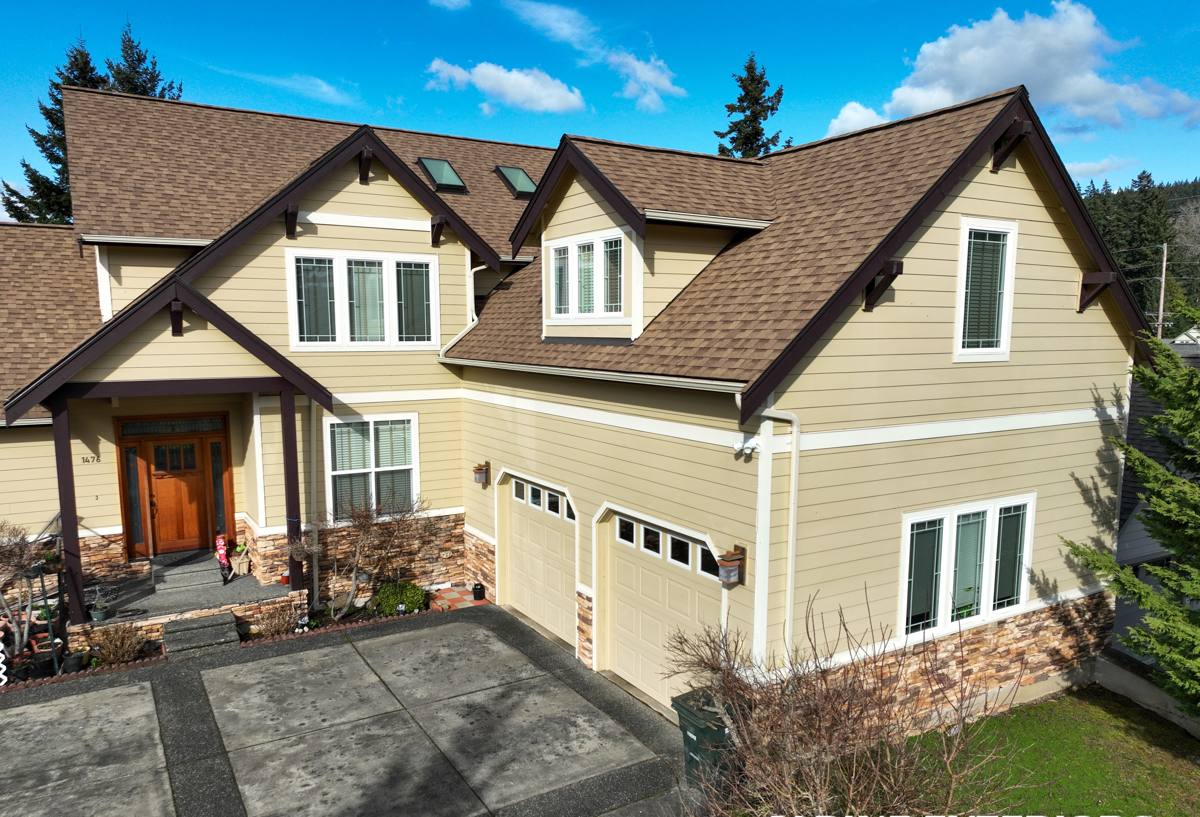
The Three Things Fir Island's Climate Does to a Deck
Salt Air and Metal Fatigue
Proximity to Skagit Bay means a fine amount of salt is always in the air, even on a calm day. Salt accelerates corrosion in any exposed metal — screws, joist hangers, bolts, and post bases. Once a fastener starts rusting, it loses grip strength long before it looks obviously bad, which is why so many "structurally sound looking" old decks turn out to have compromised connections underneath.
Driving Rain and Water Intrusion
Storms off the water tend to push rain at an angle rather than straight down, which means it gets up under railings, behind fascia boards, and into any gap where flashing was skipped or done poorly. The ledger board — where the deck attaches to the house — is almost always the first place this shows up as rot, because it's the hardest joint to keep water out of and the easiest for a rushed install to get wrong.
Moss, Algae, and Trapped Moisture
Between the marine humidity and the shade many Fir Island properties have from surrounding trees and outbuildings, decking surfaces stay damp longer after each rain. That's exactly what moss and algae need to take hold. Beyond looking bad, a mossy deck surface holds moisture against the boards constantly, which is one of the fastest ways to shorten the life of both wood and lower-grade composite decking.
Signs a Deck Needs Replacement, Not Another Repair
Not every issue means a full rebuild. But when several of these show up together, patching individual boards usually just delays a more expensive failure later.
- Soft, spongy, or springy sections in the decking or framing underneath
- Visible rot or dark staining where the deck meets the house (the ledger board)
- Rust stains bleeding out from screws, bolts, or joist hangers
- Railings or posts that wiggle more than a small amount when pushed
- Gaps opening up between boards, or boards cupping and warping
- A deck more than 15-20 years old that has never had its framing inspected
- Persistent moss or algae that returns within weeks of cleaning
- Stairs that feel uneven or a deck that visibly sags away from the house
If you're only seeing one or two of these and the framing underneath is solid, a repair may still make sense. We'll tell you honestly which category your deck falls into rather than push a full replacement you don't need.
What a Correct Deck Replacement Actually Involves
A deck replacement is more than pulling up old boards and screwing down new ones. The parts nobody sees are what determine whether the new deck lasts five years or twenty-five in this climate.
Tear-Off and Structural Assessment
We remove the old decking and inspect the framing, ledger connection, and footings underneath. This is often when we find the real story — hidden rot, undersized original framing, or footings that were never poured to proper depth. It's better to find this before rebuilding than to bury the same problems under new boards.
Ledger Flashing Done Right
The ledger board connection is the single most common source of deck failure in wet climates, and it's also the joint most often shortcut on older or budget builds. A correct install uses proper flashing that sheds water away from the house structure, not just caulk over a bolt pattern.
Framing and Hardware
Joists, beams, and posts get sized for the actual load and span, not just "what was there before." All structural connectors are rated for exterior, corrosive-exposure use — this matters more here than in a drier inland climate.
Footings and Post Bases
Given how low-lying and often saturated the ground can be around Fir Island, footings need to be set to proper depth and the post bases need to keep wood clear of standing water and direct soil contact. Skipping this is one of the fastest ways to get early post rot.
Decking, Railing, and Final Details
Once the structure is right, the surface material and railing system go on last — and that's where your choices for looks, maintenance, and long-term durability come in.
Choosing Materials for This Climate
There's no single "best" decking material for every homeowner — it depends on how much upkeep you want to do and what budget range you're working in. Here's how the common options actually compare under Fir Island's salt-air, high-moisture conditions.
| Material | How It Handles This Climate | Maintenance | General Cost Range |
|---|---|---|---|
| Pressure-treated wood | Durable if sealed regularly; needs re-staining to resist moss and moisture | Annual cleaning and periodic sealing | Lowest upfront |
| Cedar | Naturally moisture- and insect-resistant, but still needs finish upkeep in salt air | Regular sealing to prevent graying and cracking | Mid-range |
| Composite decking | Resists rot and moisture well; surface texture affects how much moss can grip | Occasional washing, no staining | Mid to upper-range |
| PVC/capped composite | Best moisture resistance of the common options; sheds algae growth more easily | Lowest ongoing maintenance | Highest upfront |
We install all of these and won't steer you toward the most expensive option if a well-built wood deck fits your budget and you're comfortable with the maintenance. Our job is to explain the real trade-offs — moisture behavior, upkeep, and how each holds up specifically in a salt-air, high-moss environment — so you pick based on facts, not a sales pitch.
The Detail Most Contractors Skip: Fasteners
In a salt-air environment, the fastener spec matters as much as the decking material. Standard coated screws and hardware can corrode noticeably faster here than they would further inland. We use stainless steel or climate-rated fasteners and structural hardware for exactly this reason — it costs a little more upfront and it's the difference between hardware that lasts the life of the deck and hardware that starts bleeding rust within a few years.
Permits, Codes, and Local Requirements
Deck replacements in unincorporated Skagit County, which includes the Fir Island area, generally go through the county's building permit process, and requirements can include guardrail height, baluster spacing, stair geometry, and footing depth tied to local frost and soil conditions. Because Fir Island is low-lying delta land, some sites may also have drainage or floodplain considerations worth checking with the county before major structural work begins. We handle the permit process as part of the job and won't cut corners on inspections to save time — a deck that hasn't been properly permitted and inspected can become a real problem when you go to sell the home.
Our Process, Start to Finish
- On-site assessment — we look at the existing deck, framing, and ledger connection and give you an honest read on repair vs. replacement
- Written estimate — clear scope, materials, and pricing before any work starts
- Permitting — we pull the necessary permits and schedule required inspections
- Tear-off and structural rebuild — old decking removed, framing and footings brought up to spec
- Decking, railing, and finish work — installed to the material spec you chose
- Final walkthrough — we go over the finished deck with you before calling the job done
Why Hire a Crew That Already Works This Area
Fir Island isn't a typical suburban lot. Access can mean working around dike roads, agricultural drainage, and properties spaced further apart than in town. A crew that's already done work out here knows how to plan logistics — material delivery, equipment access, working around seasonal weather windows — without it turning into a source of delay or surprise charges. More importantly, we've seen firsthand what salt air and moss do to decks built without accounting for it, and we build accordingly the first time rather than learning that lesson on your project.
Burlington and the surrounding Skagit County communities are our home service area — we're not a crew that drives in once and disappears. If a warranty issue or a question comes up two years down the road, we're still local and still reachable.
Get a Straight Answer About Your Deck
If your deck is showing rot, rust, or persistent moss and you're not sure whether it needs a repair or a full replacement, we're happy to take a look. The estimate is free, there's no pressure, and you'll get an honest assessment of what your deck actually needs — use the form below to get started.