 Burlington
 Building a Deck That Can Actually Handle Guemes Island
A deck on Guemes Island lives a harder life than a deck built twenty miles inland. It sits closer to saltwater, catches more wind-driven rain, and often spends half the year in the shade of fir and cedar cover that keeps everything underneath it damp. Add in a ferry schedule that shapes how materials and crews actually get out there, and it's easy to see why a deck built to a generic mainland spec doesn't always hold up the way homeowners expect.
We build decks for homes throughout the Burlington and Skagit County area, and Guemes Island projects get their own approach — not because the carpentry is different, but because the conditions the deck has to survive are. This page walks through what that actually means: the materials that hold up, the details that get skipped on a rushed job, and how we handle a project when the job site is across the water.
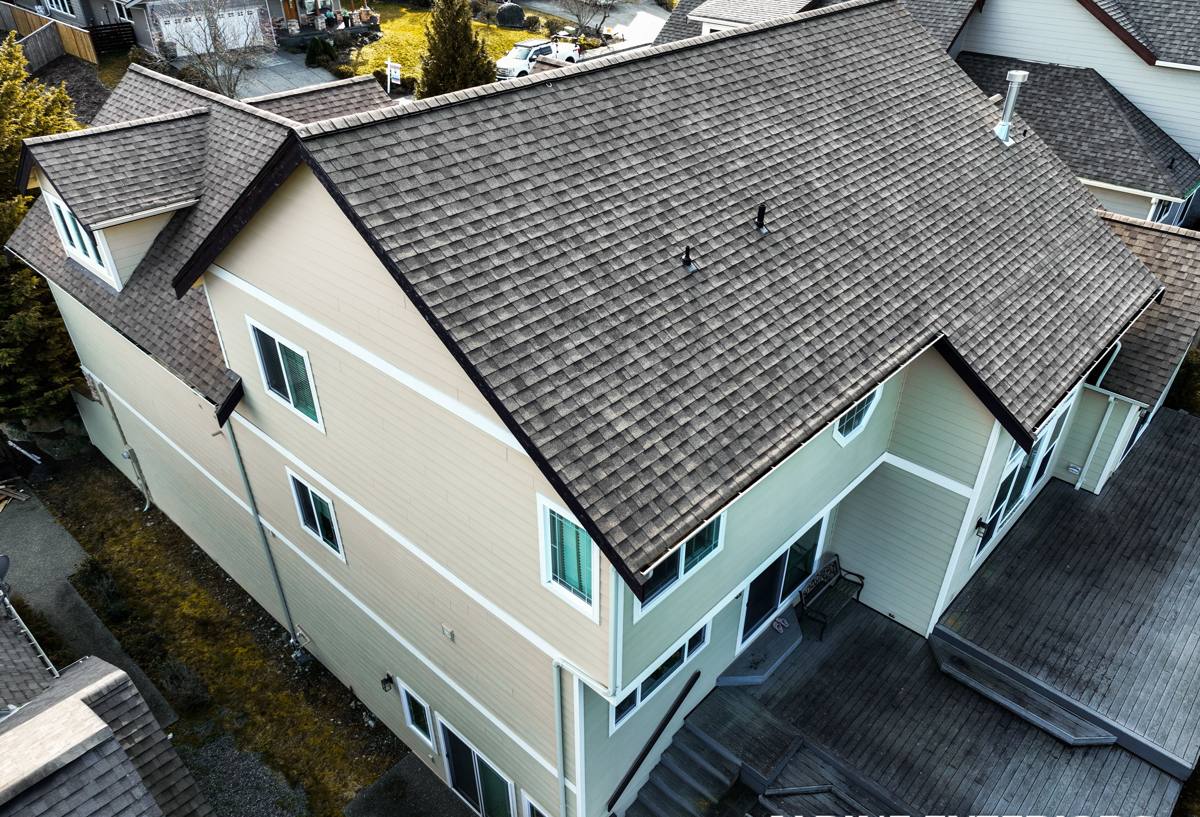
What the Marine Climate Does to a Deck
Salt air is corrosive, full stop. It doesn't take a direct ocean view for it to matter — moisture carrying salt travels on the wind and settles on anything metal, especially in a spot exposed to weather coming off the water. Over a few seasons, the wrong hardware on a deck near the water can start rusting, staining the decking around it, and eventually losing holding strength right where it matters most.
Fasteners and Hardware
This is the detail that separates a deck that lasts from one that doesn't. Standard electro-galvanized screws and joist hangers are fine for a lot of inland construction, but they're a poor match for a marine environment. We use fasteners and structural hardware rated for coastal exposure — hot-dip galvanized or stainless steel, depending on the connection — because the alternative is hardware that's visibly rusting within a few years and a structural connection that's weaker than it looks.
Framing Lumber and Footings
Framing lumber needs to be rated for ground contact or above-ground use as appropriate, and every cut end, notch, and drilled hole needs to be sealed before it goes into the structure — not just the factory-treated faces. Footings need to go below frost depth and account for the soil conditions on the specific lot, which can vary a lot across the island depending on elevation and how close you are to the water. We don't guess on footing depth or size; we size them for the actual load and the actual soil.
Driving Rain, Drainage, and the Ledger Board
The single most common failure point on a deck attached to a house isn't the decking boards — it's the ledger board, the piece that bolts the deck to the house framing. When driving rain gets behind a poorly flashed ledger, water sits against the house's structural framing where nobody can see it, and by the time it shows up as a soft spot or a sagging deck, real damage has already been done.
A correct ledger connection uses proper flashing that sheds water out and away from the house, a gap or drainage plane behind the ledger so water doesn't get trapped against the siding, and through-bolts rather than lag screws wherever the span and load call for it. On a site that gets driving rain off the water, we treat this connection as the most important part of the build, not a step to move through quickly.
Drainage matters below the deck too. Joists and beams that stay wet longer than they need to are joists and beams that rot sooner. Proper spacing, sloped ledger flashing, and keeping vegetation from growing up against the underside of the structure all add years to a deck's life — and they cost nothing extra if they're planned in from the start.
Moss Season and Choosing the Right Decking Surface
Anyone who's lived through a Skagit County winter knows the long moss season isn't a minor annoyance — it's a safety issue on any horizontal wood surface that stays shaded and damp for months at a time. A north-facing deck under tree cover can grow a slick green film that makes footing genuinely dangerous, especially on stairs.
The decking material you choose changes how much of a problem this becomes and how much upkeep it takes to stay ahead of it.
| Decking Material | Moss & Moisture Behavior | Upkeep | Typical Lifespan |
|---|---|---|---|
| Pressure-treated lumber | Absorbs moisture readily; moss and algae take hold quickly in shaded spots without regular cleaning | Annual cleaning, periodic sealing recommended | 15-20 years with upkeep |
| Cedar | Naturally rot-resistant but still surface-porous; needs the same moss vigilance in shade | Cleaning and refinishing every few years to hold color and resist growth | 20-25 years with upkeep |
| Composite decking | Doesn't absorb water into the board itself, but surface film can still grow on shaded, low-airflow areas | Periodic washing; no sealing or staining required | 25-30+ years, manufacturer-dependent |
None of these materials are immune to moss — anything horizontal and shaded in this climate will grow something eventually. The real differences are how much water the board itself holds onto (which is what lets moss and rot dig in) and how much regular attention it needs to stay ahead of it. We'll talk through these trade-offs honestly based on where your deck sits and how much shade it gets, rather than pushing one material as a universal answer.
Our Deck Building Process, Start to Finish
Design and Permitting
We start with a site visit to look at sun exposure, drainage, soil, and how the deck will attach to the house. From there we put together a design and a materials plan sized to the actual conditions on your lot, and we handle the Skagit County permitting that applies to the project before any framing goes in.
Framing and Structural Work
This is where the coastal-rated hardware, properly sealed lumber, and correctly sized footings come together. We inspect and photograph the structural work before decking goes down, since it's the one part of the job nobody will ever see again once the surface is finished.
Decking, Railing, and Finish Details
Surface material goes down with attention to drainage gaps between boards, proper fastening for the material chosen, and railing that meets current code for height and baluster spacing. We finish with a walkthrough so you know what maintenance the specific materials on your deck actually need.
Getting Materials to Guemes Island: Why a Local Crew Matters
Guemes Island is reached by a small ferry out of Anacortes, and that changes how a construction project actually runs. Material deliveries have to be planned around ferry schedules and load limits, crews need to plan their day around sailing times rather than just driving to the next job, and a mistake in the material order costs a lot more than a quick trip back to the supply yard.
A crew that already works Guemes Island has that logistics figured out — the right supplier relationships, the ferry timing built into the schedule, and a realistic sense of how long a project actually takes once travel is part of every day. A crew doing its first island job is often learning this on your project, which shows up as delays, forgotten materials, and days lost to bad timing.
Cost Factors for a Guemes Island Deck Project
Every deck is priced around its own size, materials, and site conditions, so we won't quote a number without seeing the job. What we can lay out honestly are the factors that move the price up or down, so you know what you're actually paying for.
| Factor | Why It Affects Cost |
|---|---|
| Decking material | Pressure-treated, cedar, and composite carry different material costs and different long-term upkeep costs |
| Height and footing complexity | Sloped or elevated lots need deeper or additional footings and more substructure framing |
| Ledger vs. freestanding design | Freestanding decks need their own full footing system since they can't rely on the house for support |
| Railing and stairs | Additional linear footage of railing and any stair runs add material and labor |
| Site access | Ferry logistics and how easily equipment and material reach the specific lot affect labor time |
Keeping Your New Deck in Good Shape
A well-built deck in this climate still needs some regular attention. Here's what actually matters:
- Sweep debris off the deck regularly, especially fir and cedar needles that trap moisture against the boards
- Clean shaded areas at least once a year to stay ahead of moss and algae before it gets slick
- Check railing connections and stair fasteners annually for looseness or corrosion
- Keep gutters and downspouts near the deck clear so runoff isn't dumping extra water onto or under it
- Reseal or refinish wood decking on the schedule appropriate to the product — don't wait until it's visibly graying
- Trim back vegetation that's shading the deck or restricting airflow underneath it
Why Hire a Crew That Already Works Guemes Island
The building science behind a good deck isn't a secret — flashing, fastener selection, drainage, and proper footings are well understood. What's harder to get right is applying all of that consistently on a site with real marine exposure, real logistics challenges, and a climate that punishes shortcuts faster than it would twenty miles inland. A crew that's done this work on the island before has already made the adjustments that a mainland-standard build skips.
If you're planning a new deck or replacing one that's showing its age, we're happy to take a look and talk through what your specific site actually needs. Reach out for a free, no-pressure estimate using the form below.