 Burlington
 Windows Built for Blanchard's Coastal Climate
Blanchard sits close enough to Samish Bay and the Puget Sound shoreline that salt-laden air is a real factor in how fast building materials age, and that includes window frames, seals, and hardware. Add in Skagit County's driving rain events off the water and a moss season that can stretch from fall through spring under the tree cover common in this area, and you have a climate that is genuinely harder on windows than most inland neighborhoods around Burlington. Homes here need windows that resist corrosion, shed wind-driven water instead of trapping it, and keep performing after years of damp, mossy conditions sitting against exterior trim and sills.
Energy-efficient windows are not just about lower heating bills, though that matters in a county with damp, chilly winters. The bigger issue for Blanchard homeowners is moisture management. A window that is properly selected and installed for this climate keeps water out of the wall assembly, resists condensation on the interior glass during cold snaps, and holds its seal integrity for the long haul instead of failing quietly behind trim boards where nobody notices until there's rot.
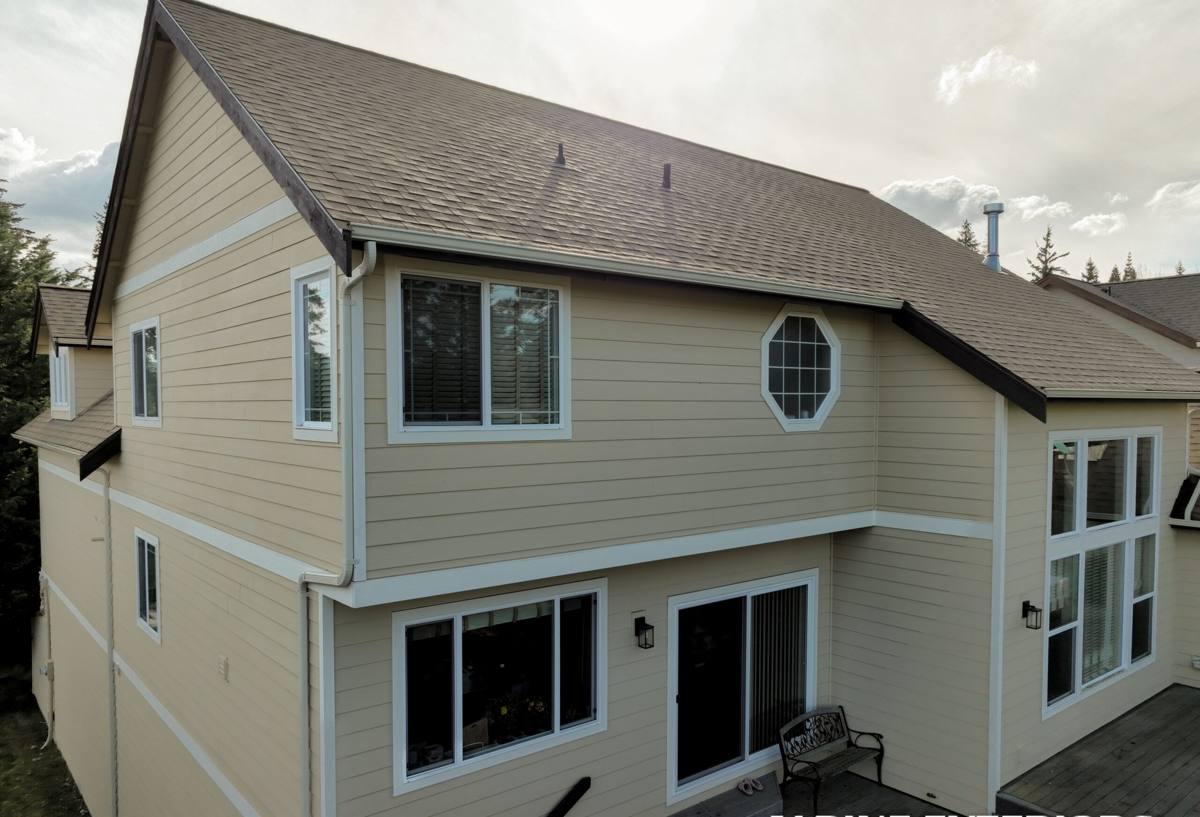
What Blanchard Homes Actually Need From New Windows
Salt Air and Corrosion Resistance
Homes closer to the water in and around Blanchard see accelerated corrosion on unprotected metal hardware — hinges, locks, balance systems, and screen frames. We favor window lines with corrosion-resistant hardware finishes and vinyl or fiberglass frame options that don't rely on paint or coatings to resist salt exposure, since coatings are the first thing to wear through.
Driving Rain and Wind-Driven Water
Storms coming off the water don't just drop rain straight down — wind pushes it sideways into siding and window openings. This is where flashing and installation technique matter as much as the window product itself. A window with a great performance rating installed without proper head flashing, sill pans, and integrated water-resistive barrier tie-in will still leak under sustained wind-driven rain.
Moss, Mildew, and Extended Damp Seasons
Wooded lots and heavy tree cover common around Blanchard mean shaded, damp microclimates right at the window line. Moss and algae growth on sills and lower sashes is common, and it holds moisture against the frame longer than direct sun-exposed areas would. Frame materials and sill designs that shed water quickly and don't have deep grooves or porous surfaces for moss to establish in hold up far better over time.
What a Correct Window Job Involves
Replacing windows is not just swapping one unit for another in the same opening. A correct installation in this climate involves several steps that are easy to skip and hard to notice missing until years later:
- Removing old windows without damaging the surrounding framing or water-resistive barrier
- Inspecting the opening for existing rot, soft framing, or prior water intrusion before setting the new unit
- Installing sill pan flashing so any water that gets past the window drains back out, not into the wall
- Integrating head, jamb, and sill flashing with the house wrap or building paper in the correct shingle-lap order
- Setting the window level, plumb, and square, with proper shimming so the sash operates smoothly for years
- Sealing and insulating the gap between frame and rough opening without over-compressing the frame
- Finishing exterior trim and caulking with materials that will hold up to sun and moisture cycling
Skipping the flashing and drainage details is the single most common cause of hidden rot behind new-looking windows. It is also the step that's invisible once trim goes back on, which is exactly why it needs to be done right the first time.
Choosing the Right Window Type for the Site
Frame Material Trade-Offs
Vinyl, fiberglass, and clad-wood windows all show up in this region, and each comes with honest trade-offs rather than a single "best" answer:
| Frame Type | Strength in This Climate | Trade-Off to Know |
|---|---|---|
| Vinyl | Won't rot or corrode from salt air; low maintenance | Fewer color and profile options than clad-wood |
| Fiberglass | Very stable in temperature swings, strong against wind-driven rain | Higher upfront cost than vinyl |
| Clad-Wood | Traditional interior wood look with an exterior weather shell | Cladding seams need good detailing to stay sealed against driving rain long-term |
| Aluminum | Strong and slim sightlines | Poor insulator and prone to condensation without thermal breaks; we don't recommend it for residential glazing here |
We steer most Blanchard homeowners toward vinyl or fiberglass for the exterior-facing performance benefits, reserving clad-wood for homeowners who specifically want that interior wood appearance and understand the added care around cladding seams.
Glass Package Considerations
Double-pane, low-E glass with argon fill is the practical baseline for this region's damp winters and mild-to-warm summers. Homes with more direct afternoon sun exposure may benefit from a low-E coating tuned for solar heat gain control, while shaded, tree-covered lots common around Blanchard often do better with a coating tuned more toward heat retention. This is a conversation worth having room by room, since a home's south-facing side and its north-facing, tree-shaded side don't always want the same glass package.
Energy Performance in a Marine Climate
Western Washington's marine climate means fewer extreme temperature swings than inland regions, but persistent dampness and steady cool temperatures for much of the year still make air sealing and insulation value matter for comfort and heating costs. Properly installed energy-efficient windows reduce drafts, cut down on interior condensation on cold mornings, and even out room-to-room temperature differences that older, single-pane or poorly sealed windows tend to create.
Condensation control deserves specific mention here. Homes near the water with higher ambient humidity are more prone to interior window condensation in winter, which over time can damage sills and surrounding trim if it's not managed. Modern insulated glass units with warm-edge spacers reduce the cold-glass effect that drives condensation, which is a meaningful benefit independent of the heating-bill savings.
Our Process for Blanchard Window Replacement
Assessment
We start by walking the exterior and interior of each window opening, checking for existing water damage, soft framing, or signs of past moss and moisture buildup at the sill. This tells us whether we're dealing with a straightforward replacement or an opening that needs some framing repair before a new window goes in.
Product Selection
We talk through frame material and glass package choices based on the specific exposure of each side of the house — a window facing prevailing weather off the water gets different consideration than one tucked under tree cover on the lee side.
Installation
Our crews follow a consistent flashing and drainage sequence on every opening, regardless of window brand, because that sequence is what actually keeps water out over the life of the window — not just the product label.
Final Detail and Cleanup
Exterior trim, caulking, and touch-up work get done with attention to how they'll hold up through the next wet season, and interior areas are left clean.
Why a Crew That Already Works Blanchard Matters
General contractors who don't regularly work this specific stretch of Skagit County sometimes treat every window job the same way they would in a drier, inland climate. That approach misses the details that actually matter here — sill pan flashing sized for sustained wind-driven rain, hardware finishes that hold up to salt air, and frame choices that resist moss and mildew buildup in shaded, damp spots. A crew that already works in and around Blanchard has seen how these specific conditions affect window installations over time and builds the job around that reality from the start, rather than applying a generic approach and hoping it holds.
Maintenance That Extends the Life of Your Investment
Even a well-installed, well-chosen window benefits from basic upkeep in this climate:
- Clear moss and debris from sills and tracks a couple of times a year, especially on shaded elevations
- Check exterior caulking annually for cracking or separation, particularly after a hard winter
- Keep gutters and downspouts clear so water isn't sheeting down across window openings
- Operate sashes periodically even in rooms that aren't used often, to keep seals and hardware from sticking
None of this replaces a correct installation, but it does help any window — ours or otherwise — hold up longer against the conditions Blanchard homes deal with every year.
If you're weighing whether it's time to replace aging windows or want a straight answer on what a correct installation looks like for your specific home, we're happy to take a look. Reach out for a free, no-pressure estimate using the form below.